
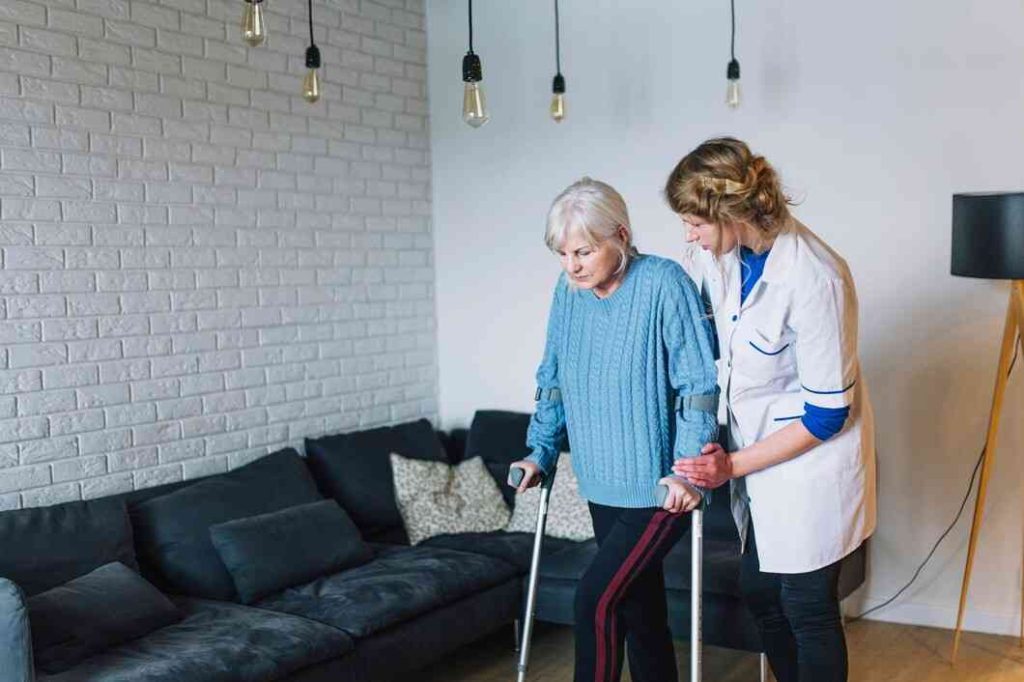
Returning home after a hospital stay can be overwhelming for seniors. The transition from a structured medical environment to independent living presents challenges that can affect recovery. Physical limitations, medication management, mobility restrictions, and emotional adjustments require careful attention. Support from in-home care can bridge this gap, allowing seniors to regain strength and independence while maintaining safety and comfort.
Services like 24-hour home care services provide round-the-clock assistance for seniors who need continuous monitoring or help with daily activities during recovery. Caregivers support medication adherence, mobility, personal care, and rehabilitation exercises. They also provide companionship, reducing stress and fostering emotional well-being during this critical period.
The Role of In-Home Care in Recovery
In-home care offers a personalized approach to recovery that adapts to the needs of each senior. Key roles include:
- Monitoring Health: Observing vital signs and recognizing early warning signs of complications.
- Assisting with Medications: Ensuring proper timing, dosage, and adherence.
- Supporting Mobility: Helping with walking, exercises, and safe transfers.
- Providing Personal Care: Assisting with bathing, dressing, and grooming to maintain hygiene and dignity.
- Encouraging Nutrition: Preparing balanced meals and monitoring food intake.
These services create a safer environment for seniors, reducing the risk of readmission and promoting a smoother transition from hospital to home.
Physical Recovery Assistance
Physical recovery is a critical component of post-hospital care. Seniors often face muscle weakness, fatigue, and reduced mobility. In-home caregivers can:
- Assist with stretching and gentle exercises prescribed by physical therapists.
- Monitor walking and use of mobility aids to prevent falls.
- Help seniors safely navigate stairs, bathrooms, and uneven surfaces.
- Encourage gradual activity to rebuild strength and stamina.
Consistent physical support enhances recovery speed and reduces complications associated with immobility.
Medication Management
Medication errors are common after hospital stays, especially for seniors managing multiple prescriptions. In-home care ensures that:
- Medications are administered at the correct time.
- Dosages follow doctor recommendations.
- Side effects or interactions are promptly reported.
- Refills and appointments with pharmacies or clinics are managed.
Proper medication management prevents complications, supports healing, and reduces stress for both seniors and family members.
Nutrition and Meal Preparation
A balanced diet plays a vital role in recovery. In-home caregivers assist by:
- Preparing meals that meet dietary restrictions and nutritional needs.
- Encouraging hydration and regular meal schedules.
- Monitoring food intake to ensure adequate nourishment.
- Introducing easy-to-prepare snacks for energy and convenience.
Proper nutrition strengthens the immune system, supports tissue repair, and promotes overall wellness.
Emotional Support and Companionship
Hospitalization can leave seniors feeling isolated, anxious, or frustrated. Emotional support during recovery is crucial:
- Caregivers provide companionship and conversation to reduce loneliness.
- Engaging in activities, hobbies, or music therapy improves mood and motivation.
- Gentle reassurance and encouragement foster confidence in regaining independence.
- Regular check-ins with family members facilitate emotional connections.
Emotional support complements physical recovery, encouraging seniors to remain active and engaged in daily routines.
Personalized Care Plans
Recovery plans are most effective when tailored to each senior’s needs. In-home care enables:
- Custom schedules for medication, meals, and therapy.
- Adjustments to care routines based on progress and limitations.
- Collaboration with medical professionals for therapy or follow-up appointments.
- Continuous assessment to optimize recovery strategies.
Personalized care ensures that seniors receive targeted support while maintaining as much independence as possible.
Preventing Rehospitalization
Readmission to the hospital can be physically and emotionally taxing. In-home care helps prevent rehospitalization by:
- Monitoring vital signs and reporting changes promptly.
- Assisting with post-surgical care, wound management, or medical equipment.
- Ensuring adherence to therapy or rehabilitation programs.
- Identifying potential hazards at home and implementing safety measures.
Proactive care reduces the likelihood of complications and provides peace of mind for both seniors and families.
Mobility and Safety at Home
Maintaining safe mobility is essential for recovery and independence. Caregivers can:
- Supervise walking and use of mobility aids like walkers or canes.
- Assist with transfers from bed to chair or bathroom.
- Arrange home modifications to prevent falls, such as grab bars or non-slip mats.
- Encourage gradual physical activity according to medical guidance.
Safety-focused mobility support allows seniors to regain confidence and engage in daily activities securely.
Engaging in Mental and Social Activities
Mental stimulation and social interaction are important for holistic recovery:
- Reading, puzzles, or hobbies keep the mind active.
- Phone calls or video chats with friends and family reduce isolation.
- Caregivers can facilitate participation in online or local social groups.
- Music, crafts, or gentle games provide enjoyable engagement.
Mental and social activity promotes emotional balance, supports cognitive health, and motivates continued recovery.
Coordination with Healthcare Providers
Effective in-home care includes collaboration with medical professionals:
- Communicating progress or concerns to doctors and therapists.
- Assisting with telehealth appointments or clinic visits.
- Following prescribed rehabilitation exercises accurately.
- Managing supplies and medical equipment efficiently.
Close coordination ensures that recovery aligns with medical instructions and that adjustments are made when necessary.
Supporting Independence
While in-home care assists, preserving independence is crucial for confidence and well-being:
- Encouraging seniors to perform tasks they are capable of completing.
- Gradually increasing responsibilities as recovery progresses.
- Offering guidance rather than performing tasks entirely.
- Promoting self-care routines that build autonomy.
Maintaining independence empowers seniors, fosters resilience, and enhances satisfaction with the recovery process.
Monitoring Chronic Conditions
Seniors often manage chronic illnesses alongside recovery. In-home care supports:
- Tracking blood pressure, blood sugar, or other vital signs.
- Ensuring medications for chronic conditions are taken correctly.
- Adjusting activities to accommodate energy levels and limitations.
- Providing timely updates to healthcare providers for ongoing care.
Monitoring chronic conditions reduces complications and enhances overall recovery outcomes.
Pain Management and Comfort
Post-hospital pain can hinder mobility and recovery. In-home caregivers can:
- Administer medications as prescribed and monitor effects.
- Apply physical therapy or comfort measures safely.
- Encourage gentle movement to reduce stiffness.
- Provide emotional support to manage stress related to discomfort.
Effective pain management promotes mobility, adherence to recovery plans, and emotional well-being.
Creating a Safe Home Environment
Home safety is essential for successful recovery:
- Removing tripping hazards such as loose rugs and clutter.
- Installing grab bars and railings where necessary.
- Ensuring proper lighting in hallways, bathrooms, and bedrooms.
- Organizing essential items within easy reach to prevent overexertion.
A safe environment reduces the risk of accidents and fosters independence.
Rehabilitation and Physical Therapy Support
Rehabilitation exercises are critical for regaining strength and function:
- Caregivers assist with prescribed exercises and monitor performance.
- Support for stretching, balance training, and strength-building routines.
- Motivation and encouragement to complete exercises consistently.
- Tracking progress to share with physical therapists or medical providers.
Consistent rehabilitation accelerates recovery and promotes long-term independence.
Nutrition and Hydration Monitoring
Proper hydration and nutrition are vital for tissue repair and energy:
- Preparing balanced meals that meet dietary restrictions.
- Encouraging fluid intake to prevent dehydration.
- Monitoring weight and appetite for potential issues.
- Coordinating with dietitians if necessary.
Adequate nutrition supports healing and enhances overall wellness.
Family Involvement in Recovery
In-home care facilitates family engagement without overwhelming caregivers:
- Keeping families informed about progress and needs.
- Supporting joint activities between seniors and family members.
- Guiding family members on safe care practices.
- Offering relief for family caregivers while maintaining continuity of care.
Family involvement enhances emotional well-being and strengthens recovery outcomes.
Emotional Resilience During Recovery
Seniors often experience frustration, anxiety, or depression during recovery. Caregivers help by:
- Providing empathetic support and reassurance.
- Encouraging positive routines and enjoyable activities.
- Monitoring mood changes and reporting concerns to professionals.
- Celebrating milestones and progress to boost morale.
Emotional resilience supports engagement in recovery tasks and promotes a sense of accomplishment.
End-of-Day Routines and Rest
Structured routines support recovery:
- Encouraging rest periods and maintaining sleep hygiene.
- Monitoring comfort levels before bed.
- Assisting with nightly medication or hydration needs.
- Ensuring a safe environment for uninterrupted rest.
Restful routines enhance energy levels, reduce complications, and improve overall healing.
Conclusion
In-home care plays a crucial role in helping seniors recover after hospital stays. By providing physical support, medication management, emotional companionship, and rehabilitation assistance, caregivers create a safe and structured environment that accelerates healing. Services like 24-hour home care allow seniors to regain independence, stay engaged, and maintain dignity during recovery. Coordination with medical professionals, personalized care plans, and attention to emotional and social needs ensure that seniors not only recover effectively but also thrive in their home environment.