
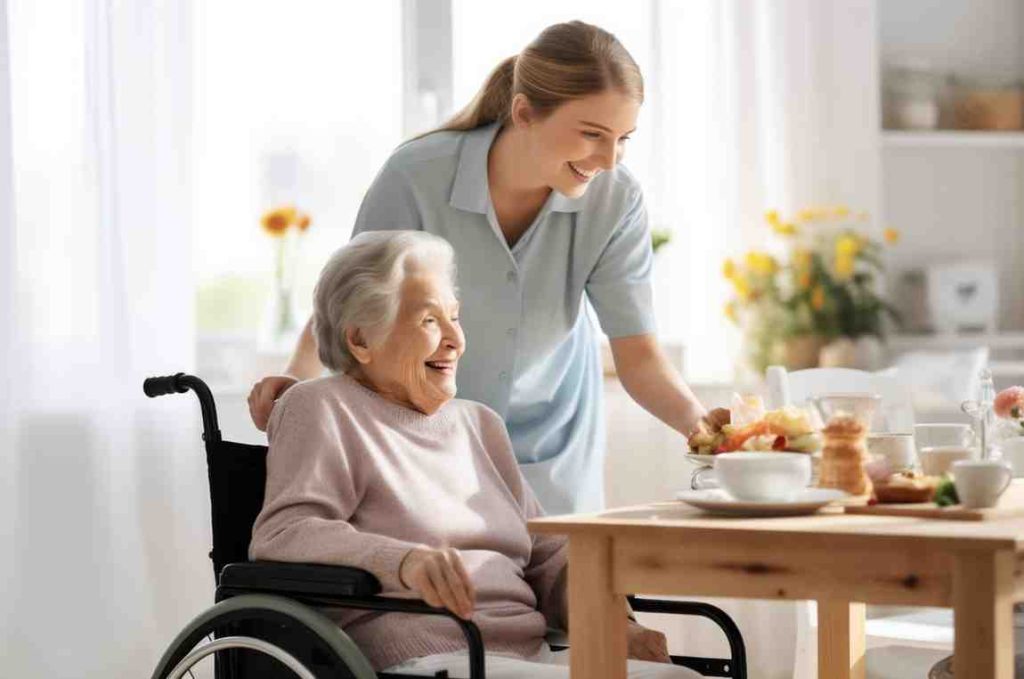
Winter presents unique challenges for aging veterans. Cold weather stiffens joints, slows reflexes, and increases fatigue. Snow, ice, and shorter daylight hours create additional hazards both inside and outside the home. Senior veterans face an elevated risk because many live with service-related injuries, reduced mobility, or chronic health conditions. Home caregivers play a crucial role in reducing these dangers while preserving independence and dignity.
Families often seek reliable support options such as senior care in Helmetta to ensure aging veterans remain safe during harsh seasonal conditions. Caregivers provide consistent supervision, mobility support, and home safety adjustments that significantly lower fall risk. Their presence transforms the home into a safer environment while allowing veterans to remain where they feel most comfortable.
Falls during winter create serious consequences. Recovery takes longer in older adults, and complications often extend beyond physical injury. Emotional confidence suffers, independence declines, and overall health may deteriorate. Caregivers intervene before accidents occur, creating stability during the most hazardous months of the year.
Why Winter Increases Fall Risk for Senior Veterans?
Winter introduces physical and environmental stressors that affect balance, strength, and reaction time. Aging veterans often face compounded challenges due to prior injuries or chronic pain.
Cold temperatures affect the body in several ways:
- Muscles tighten and lose flexibility
- Joint stiffness increases
- Blood circulation slows
- Balance weakens
- Reaction time declines
These physical changes increase vulnerability during routine activities such as walking to the bathroom, climbing stairs, or retrieving mail.
The Centers for Disease Control and Prevention reports that falls remain one of the leading causes of injury among adults over age 65. Winter conditions elevate this risk further by introducing slippery surfaces and reduced visibility.
Veterans face additional risk factors such as prosthetics, neurological conditions, and mobility limitations. Caregivers recognize these vulnerabilities and respond with targeted safety measures.
The Unique Needs of Senior Veterans
Veterans often carry lifelong physical and emotional effects from their service. Many live with musculoskeletal injuries, traumatic brain injuries, or nerve damage. These conditions affect coordination, strength, and balance.
The U.S. Department of Veterans Affairs emphasizes the importance of preventive care and home-based support for aging veterans. Structured assistance reduces injury risk and helps veterans maintain independence longer.
Several factors increase fall vulnerability among veterans:
- Limited mobility due to combat-related injuries
- Use of assistive devices such as canes or walkers
- Chronic pain that affects movement stability
- Medication side effects, such as dizziness
- Vision impairment
Caregivers tailor their approach to address these specific concerns.
How Caregivers Create Safer Home Environments?
Caregivers focus first on eliminating hazards inside the home. They assess each room and implement adjustments that reduce fall risk.
Key safety improvements include:
- Removing loose rugs
- Improving lighting in hallways and staircases
- Securing electrical cords
- Installing grab bars in bathrooms
- Clearing clutter from walkways
These changes reduce obstacles that often cause slips or trips.
Caregivers also monitor temperature settings. Cold indoor environments stiffen muscles and increase fall risk. Maintaining comfortable warmth supports safer movement.
The National Institute on Aging highlights environmental modification as one of the most effective fall prevention strategies. Home caregivers implement these modifications consistently.
Mobility Assistance That Prevents Accidents
Mobility challenges increase significantly during the winter months. Caregivers provide direct assistance that improves safety and confidence.
They help veterans with:
- Standing up from chairs
- Walking safely between rooms
- Navigating stairs
- Entering and exiting the home
- Using mobility devices correctly
Proper use of assistive equipment plays a vital role in preventing falls. Walkers, canes, and wheelchairs require correct positioning and adjustment.
Caregivers ensure equipment remains stable, properly fitted, and free from defects.
They also encourage slow, deliberate movement. Rushing increases fall risk. Caregivers reinforce safe pacing during daily routines.
Monitoring Health Conditions That Affect Balance
Health changes often occur gradually. Caregivers observe subtle warning signs that families may overlook.
They watch for:
- Dizziness
- Weakness
- Fatigue
- Medication side effects
- Changes in walking patterns
Early detection allows prompt medical intervention. This prevents minor issues from becoming serious safety risks.
The World Health Organization emphasizes proactive monitoring as a critical component of fall prevention among older adults.
Caregivers provide this monitoring daily.
Winter Footwear and Clothing Support
Appropriate clothing reduces fall risk significantly. Caregivers help veterans select proper winter attire that improves stability.
Essential protective measures include:
- Non-slip footwear
- Properly fitted shoes
- Warm clothing that allows free movement
- Avoiding loose garments that create tripping hazards
Caregivers assist veterans when dressing to ensure safe clothing choices.
They also help veterans transition between outdoor and indoor footwear safely.
Preventing Outdoor Winter Hazards
Outdoor environments pose serious fall risks during winter. Snow and ice create unpredictable surfaces.
Caregivers reduce these risks by:
- Clearing snow from walkways
- Applying salt or sand to icy areas
- Assisting veterans during outdoor movement
- Monitoring weather conditions
- Limiting unnecessary outdoor exposure
They also accompany veterans during essential outings such as medical appointments.
This supervision prevents accidents before they occur.
Medication Management That Protects Stability
Many veterans take medications that affect balance and coordination. Side effects such as dizziness or drowsiness increase fall risk.
Caregivers help by:
- Organizing medications
- Monitoring side effects
- Ensuring proper dosage timing
- Reporting concerns to medical professionals
Medication safety plays a direct role in fall prevention.
Proper management strengthens physical stability.
Strength and Balance Support
Physical conditioning improves fall resistance. Caregivers encourage safe exercise that maintains muscle strength and coordination.
They assist with activities such as:
- Gentle stretching
- Guided walking routines
- Balance exercises
- Physical therapy exercises
These activities strengthen muscles and improve stability.
Caregivers ensure exercises match individual ability levels.
Consistency produces meaningful improvements in fall resistance.
Supporting Veterans with Prosthetics or Injuries
Many veterans use prosthetic limbs or live with service-related injuries. Winter conditions complicate mobility for these individuals.
Caregivers assist with:
- Proper prosthetic positioning
- Monitoring skin health
- Supporting safe transfers
- Helping veterans adjust to changing conditions
This specialized support reduces injury risk significantly.
Caregivers remain attentive to changes in mobility or comfort.
Emotional Support That Builds Confidence
Fear of falling often creates hesitation. Veterans may limit movement to avoid injury. Reduced activity leads to muscle weakness, increasing fall risk.
Caregivers restore confidence by providing reassurance and supervision.
Emotional support includes:
- Encouragement during movement
- Calm reassurance
- Positive reinforcement
- Social interaction
Confidence strengthens physical stability.
Veterans move more safely when they feel secure.
Nighttime Safety Measures
Falls frequently occur at night. Darkness, fatigue, and urgency create dangerous conditions.
Caregivers reduce nighttime risk by:
- Installing nightlights
- Clearing pathways
- Assisting with bathroom visits
- Monitoring sleep routines
These measures improve safety during vulnerable hours.
Emergency Preparedness and Rapid Response
Caregivers prepare veterans for unexpected situations. Quick response prevents complications.
Preparedness includes:
- Keeping emergency contacts accessible
- Monitoring medical alert devices
- Maintaining clear communication channels
Immediate assistance reduces injury severity.
Fast response protects health outcomes.
Nutritional Support That Improves Physical Stability
Nutrition directly affects muscle strength and balance. Caregivers ensure veterans receive proper nutrition.
They assist with:
- Meal preparation
- Monitoring hydration
- Encouraging balanced diets
Proper nutrition strengthens bones and muscles.
This support enhances fall resistance.
Coordination with Medical Professionals
Caregivers serve as vital communication links between veterans and healthcare providers.
They:
- Report changes in health
- Monitor recovery progress
- Reinforce medical recommendations
This coordination improves safety.
Medical oversight strengthens fall prevention strategies.
Family Peace of Mind During Winter Months
Family members often worry about aging veterans during the winter. Caregivers provide reassurance through consistent supervision.
Families benefit from:
- Reduced stress
- Improved communication
- Confidence in safety measures
Caregivers extend family support.
They create a stable care environment.
Preserving Independence While Ensuring Safety
Veterans value independence deeply. Caregivers support independence while reducing risks.
They assist without removing personal control.
Veterans continue daily routines safely.
This balance protects dignity.
Long-Term Health Benefits of Fall Prevention
Fall prevention protects more than physical safety. It preserves long-term health and independence.
Benefits include:
- Reduced hospitalization
- Faster recovery
- Improved mobility
- Better emotional well-being
Preventive care strengthens overall quality of life.
Caregivers deliver this protection consistently.
Why Winter Care Requires Special Attention?
Winter introduces conditions that demand increased vigilance. Caregivers adapt care routines to seasonal challenges.
They remain alert to environmental changes.
They respond quickly to emerging risks.
This proactive approach protects vulnerable veterans.
The Human Value of Dedicated Care
Care extends beyond physical assistance. It provides emotional security, confidence, and stability.
Veterans gain reassurance through caregiver presence.
They maintain dignity and independence.
Caregivers strengthen both safety and emotional well-being.
Conclusion
Winter creates dangerous conditions that increase fall risk for senior veterans. Home caregivers provide essential protection through environmental safety adjustments, mobility assistance, health monitoring, and emotional support.
Their role prevents injuries, preserves independence, and strengthens confidence. Veterans benefit from safer homes, improved mobility, and consistent supervision.
Caregivers transform winter from a season of risk into a season of safety.