
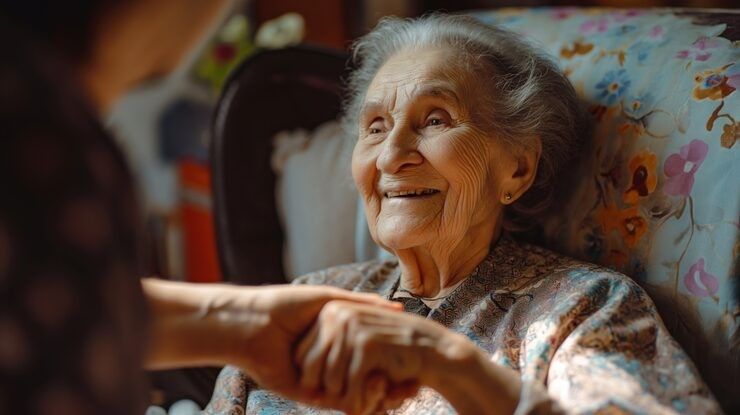
Hospital discharge often marks a fragile point in recovery, especially for veterans managing complex health conditions. Families seeking veteran care in Monroe Township often focus on structured support systems that help prevent setbacks and reduce the risk of hospital readmission.
Veterans face unique health challenges shaped by service-related injuries, chronic conditions, and mental health concerns. Without proper follow-up care, these factors can lead to complications that result in readmission. A well-coordinated care approach at home or within the community helps stabilize recovery and improve long-term outcomes.
The Challenge of Hospital Readmissions
Hospital readmissions create emotional, physical, and financial strain for patients and families. They often occur when recovery plans lack continuity or when warning signs go unnoticed.
Common causes of readmissions include:
- Medication mismanagement
- Lack of follow-up care
- Poor coordination between providers
- Limited understanding of discharge instructions
- Unmanaged chronic conditions
Veterans may face additional risks due to complex medical histories and service-related conditions. Addressing these risks requires targeted care strategies.
The Role of Veteran Care in Recovery
Veteran care focuses on providing structured, consistent support after discharge. It bridges the gap between hospital treatment and independent living.
This approach ensures that patients receive:
- Ongoing medical monitoring
- Assistance with daily activities
- Emotional and psychological support
- Guidance on managing chronic conditions
By maintaining continuity, veteran care reduces the likelihood of complications that lead to readmission.
Personalized Care Plans
Each veteran has unique needs. Personalized care plans address specific medical conditions, lifestyle factors, and recovery goals.
Care providers tailor these plans to include:
- Medication schedules
- Therapy sessions
- Nutritional guidelines
- Physical activity recommendations
This individualized approach ensures that care remains relevant and effective.
Medication Management and Compliance
Medication errors remain one of the leading causes of hospital readmissions. Veterans often take multiple medications, which increases the risk of missed doses or incorrect usage.
Veteran care services provide structured medication management to ensure accuracy.
Key practices include:
- Organizing medications with clear schedules
- Monitoring adherence
- Identifying side effects early
- Communicating with healthcare providers
Proper medication management stabilizes health conditions and prevents complications.
Continuous Health Monitoring
Regular monitoring allows caregivers to detect changes in health before they become serious issues.
Care providers track:
- Vital signs such as blood pressure and heart rate
- Symptoms related to chronic conditions
- Physical and cognitive changes
Early detection enables timely intervention, reducing the need for hospital visits.
Managing Chronic Conditions
Many veterans live with chronic conditions such as diabetes, heart disease, or respiratory issues. These conditions require consistent management to prevent flare-ups.
Veteran care supports chronic disease management through:
- Routine health checks
- Lifestyle guidance
- Medication adherence
- Coordination with healthcare professionals
Effective management reduces the risk of sudden health crises.
Mental Health Support
Mental health plays a crucial role in recovery. Veterans may experience conditions such as post-traumatic stress, depression, or anxiety.
These challenges can affect physical health and increase the likelihood of readmission.
Support strategies include:
- Regular counseling sessions
- Encouraging open communication
- Monitoring emotional well-being
- Providing a supportive environment
Addressing mental health improves overall stability and recovery outcomes.
Coordinated Care and Communication
Effective communication between care providers ensures continuity. Veteran care services often coordinate with doctors, therapists, and specialists.
This coordination allows for:
- Timely updates on patient progress
- Adjustments to care plans
- Consistent treatment approaches
A unified care system prevents gaps that could lead to complications.
Safe Transition from Hospital to Home
The transition from hospital to home can create uncertainty. Without proper support, patients may struggle to follow recovery plans.
Veteran care ensures a smooth transition by:
- Reviewing discharge instructions
- Preparing the home environment
- Providing immediate support after discharge
This structured approach reduces confusion and promotes stability.
Preventing Complications Through Early Intervention
Early intervention plays a critical role in preventing readmissions. Caregivers can identify warning signs and take action before conditions worsen.
Common warning signs include:
- Changes in appetite or energy levels
- Increased pain or discomfort
- Difficulty breathing
- Swelling or unusual symptoms
Prompt response prevents minor issues from becoming serious health concerns.
Supporting Daily Living Activities
Veterans recovering from illness or injury may need assistance with daily tasks. Without support, these challenges can lead to stress and health setbacks.
Care providers assist with:
- Personal hygiene
- Meal preparation
- Mobility and transportation
- Household tasks
This support allows veterans to focus on recovery without added strain.
Encouraging Healthy Lifestyle Habits
Lifestyle choices significantly impact recovery and long-term health. Veteran care services encourage habits that promote well-being.
These habits include:
- Balanced nutrition
- Regular physical activity
- Adequate rest
- Avoiding harmful behaviors
Healthy routines strengthen the body and reduce the risk of complications.
Reducing Stress for Families
Hospital readmissions affect not only patients but also their families. Caregiving responsibilities can become overwhelming without support.
Veteran care services provide relief by sharing responsibilities and offering professional assistance.
Families benefit from:
- Reduced stress and workload
- Guidance on caregiving tasks
- Emotional support
- Confidence in the recovery process
This support creates a healthier environment for both patients and caregivers.
Key Factors That Reduce Readmissions
- Consistent follow-up care
- Accurate medication management
- Early detection of health changes
- Effective communication among providers
- Strong emotional and mental health support
- Safe and structured home environment
These factors work together to create a stable recovery process.
Technology in Veteran Care
Technology enhances the effectiveness of care by improving monitoring and communication.
Common tools include:
- Remote health monitoring devices
- Telehealth consultations
- Medication reminder systems
- Digital health records
These tools allow for timely intervention and better coordination.
Long-Term Health Management
Reducing readmissions requires a long-term approach. Veteran care focuses on maintaining health beyond immediate recovery.
This includes:
- Regular check-ups
- Ongoing therapy and rehabilitation
- Continuous lifestyle management
- Monitoring chronic conditions
Long-term care ensures sustained health and stability.
Building Confidence and Independence
Recovery involves regaining confidence and independence. Veteran care supports this process by encouraging gradual participation in daily activities.
As veterans regain strength, they become more self-reliant. This independence reduces the need for hospital-based care.
Addressing Unique Veteran Needs
Veterans often face challenges related to their service, including physical injuries and mental health conditions.
Care providers must address these needs with sensitivity and expertise.
This includes:
- Recognizing service-related health issues
- Providing specialized support
- Creating a respectful and supportive environment
Tailored care ensures that veterans receive appropriate support.
The Impact on Healthcare Systems
Reducing hospital readmissions benefits not only individuals but also the healthcare system.
Fewer readmissions lead to:
- Lower healthcare costs
- Reduced strain on hospital resources
- Improved patient outcomes
Veteran care plays a key role in achieving these benefits.
Conclusion
Veteran care reduces hospital readmissions by providing structured, consistent, and personalized support. It addresses both medical and emotional needs while ensuring continuity of care.
When caregivers closely monitor health, manage medications effectively, and provide a stable environment, veterans experience smoother recoveries and fewer complications. This approach strengthens long-term health and allows individuals to regain control over their lives with confidence.