
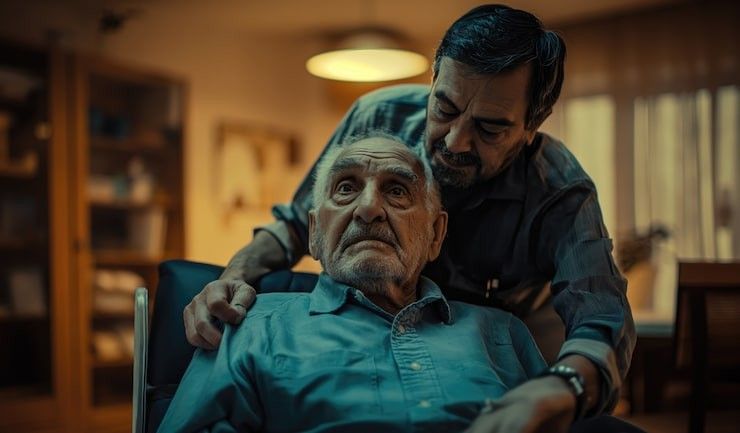
Home-based care allows veterans to recover and live with dignity in familiar surroundings, but effective care requires more than good intentions. Families arranging veteran care in Monroe Township often rely on professional guidance to create structured plans that ensure safety, consistency, and meaningful progress.
Veterans often manage complex health conditions, including chronic illnesses, mobility challenges, and emotional concerns linked to their service. Professional oversight brings clarity and direction to home-based care, helping families navigate these challenges with confidence.
The Need for Expertise in Home-Based Care
Caring for a veteran at home involves medical, physical, and emotional responsibilities. Without proper direction, families may struggle to manage these aspects effectively.
Professional guidance ensures that care aligns with medical requirements and recovery goals. It transforms home care into a structured system rather than a series of reactive decisions.
Expert input helps:
- Identify specific care needs
- Develop clear recovery plans
- Prevent avoidable complications
- Maintain consistent progress
This foundation strengthens the overall quality of care.
Creating Structured Care Plans
A well-designed care plan acts as a roadmap for recovery and long-term health management. Professionals assess the veteran’s condition and create a plan tailored to individual needs.
This plan typically includes:
- Medication schedules
- Therapy routines
- Dietary recommendations
- Activity guidelines
- Monitoring protocols
Structured planning removes uncertainty and ensures that every aspect of care receives attention.
Accurate Medication Management
Medication errors remain a major concern in home-based care. Veterans often take multiple medications, which increases the risk of missed doses or incorrect usage.
Professional guidance introduces systems that ensure accuracy and consistency.
Effective strategies include:
- Organizing medications with clear labeling
- Setting reminders for each dose
- Monitoring side effects
- Adjusting medications based on medical advice
This approach reduces health risks and supports stable recovery.
Continuous Health Monitoring
Regular monitoring allows caregivers to detect changes early and respond promptly. Professionals guide families on what to observe and how to interpret symptoms.
Monitoring may include:
- Checking vital signs
- Tracking physical changes
- Observing emotional well-being
- Recording daily progress
Early detection prevents minor issues from escalating into serious complications.
Managing Chronic Conditions Effectively
Many veterans live with chronic conditions such as heart disease, diabetes, or respiratory issues. These conditions require consistent management.
Professional guidance ensures that care plans address these conditions with precision.
Key elements include:
- Regular health assessments
- Lifestyle adjustments
- Medication adherence
- Coordination with healthcare providers
Effective management reduces the risk of hospital visits and improves long-term health.
Supporting Mental and Emotional Health
Veterans may experience emotional challenges, including stress, anxiety, or trauma-related conditions. These issues can affect physical recovery if left unaddressed.
Professionals provide strategies to support mental well-being, such as:
- Encouraging open communication
- Identifying signs of emotional distress
- Recommending counseling or therapy
- Creating a supportive home environment
Balanced care addresses both physical and emotional needs.
Enhancing Safety at Home
Safety plays a crucial role in home-based care. Professionals assess the home environment and recommend modifications to reduce risks.
Common safety measures include:
- Installing grab bars and handrails
- Improving lighting in key areas
- Removing tripping hazards
- Arranging furniture for easy movement
These adjustments create a secure environment that supports independence.
Training and Supporting Family Caregivers
Family members often take on caregiving responsibilities, which can feel overwhelming without proper guidance.
Professionals provide training and support to ensure that caregivers feel confident in their roles.
This support includes:
- Demonstrating care techniques
- Explaining medical instructions
- Offering practical tips for daily tasks
- Providing emotional reassurance
Well-prepared caregivers deliver more effective and consistent care.
Coordinating Care Across Providers
Home-based care often involves multiple professionals, including doctors, therapists, and nurses. Coordination ensures that all parties work toward the same goals.
Professional guidance facilitates:
- Clear communication between providers
- Consistent treatment approaches
- Timely updates on progress
- Adjustments to care plans when needed
This coordination prevents gaps in care and improves outcomes.
Encouraging Independence Through Expert Planning
Independence remains a key goal in veteran care. Professionals design care plans that encourage veterans to participate in daily activities.
This approach includes:
- Gradual skill-building exercises
- Encouraging decision-making
- Supporting self-care tasks
- Promoting confidence in abilities
Structured guidance ensures that independence develops safely and steadily.
Preventing Hospital Readmissions
One of the primary benefits of professional guidance involves reducing hospital readmissions. Proper planning, monitoring, and intervention prevent complications.
Preventive strategies include:
- Following discharge instructions carefully
- Monitoring for warning signs
- Managing medications accurately
- Maintaining regular communication with healthcare providers
These measures create a stable recovery environment.
Leveraging Technology for Better Care
Technology enhances professional guidance by improving monitoring and communication.
Useful tools include:
- Remote health monitoring devices
- Telehealth consultations
- Digital medication reminders
- Health tracking applications
These tools provide additional support and improve the efficiency of care.
Building Confidence for Families
Caring for a veteran at home can feel challenging, especially without experience. Professional guidance provides clarity and reassurance.
Families gain confidence when they:
- Understand care plans clearly
- Receive ongoing support
- Have access to expert advice
- Feel prepared for unexpected situations
Confidence leads to better caregiving and improved outcomes.
Key Benefits of Professional Guidance in Home Care
- Structured and personalized care plans
- Accurate medication management
- Early detection of health issues
- Effective management of chronic conditions
- Strong emotional and mental health support
- Enhanced safety within the home
- Improved coordination among care providers
- Reduced risk of hospital readmissions
These benefits highlight the value of expert involvement in home-based care.
Adapting to Changing Needs
Health conditions and recovery progress can change over time. Professional guidance ensures that care plans remain flexible and responsive.
Regular assessments allow for:
- Adjustments in therapy routines
- Changes in medication plans
- Updated safety measures
- New goals for independence
This adaptability keeps care relevant and effective.
Long-Term Health and Stability
Professional guidance supports long-term health by maintaining consistency and addressing potential issues early.
Veterans benefit from:
- Continuous monitoring
- Ongoing support
- Structured routines
- Clear health goals
These elements create a stable foundation for sustained well-being.
Balancing Care and Independence
Effective care requires a balance between support and autonomy. Professionals help families maintain this balance by providing clear guidelines.
This approach ensures that veterans receive necessary assistance while retaining control over their daily lives.
Strengthening the Overall Care Experience
Professional guidance transforms home-based care into a coordinated and effective system. It ensures that every aspect of care aligns with the veteran’s needs and goals.
This structured approach improves:
- Recovery outcomes
- Quality of life
- Emotional well-being
- Long-term independence
Care becomes more than a routine—it becomes a pathway to stability and growth.
Conclusion
Professional guidance plays a vital role in enhancing home-based veteran care. It provides structure, clarity, and expertise that support both patients and families.
When care follows a well-planned approach, veterans experience safer recoveries, improved health outcomes, and greater independence. Families gain the confidence to provide consistent support, creating an environment where healing and progress can thrive.