
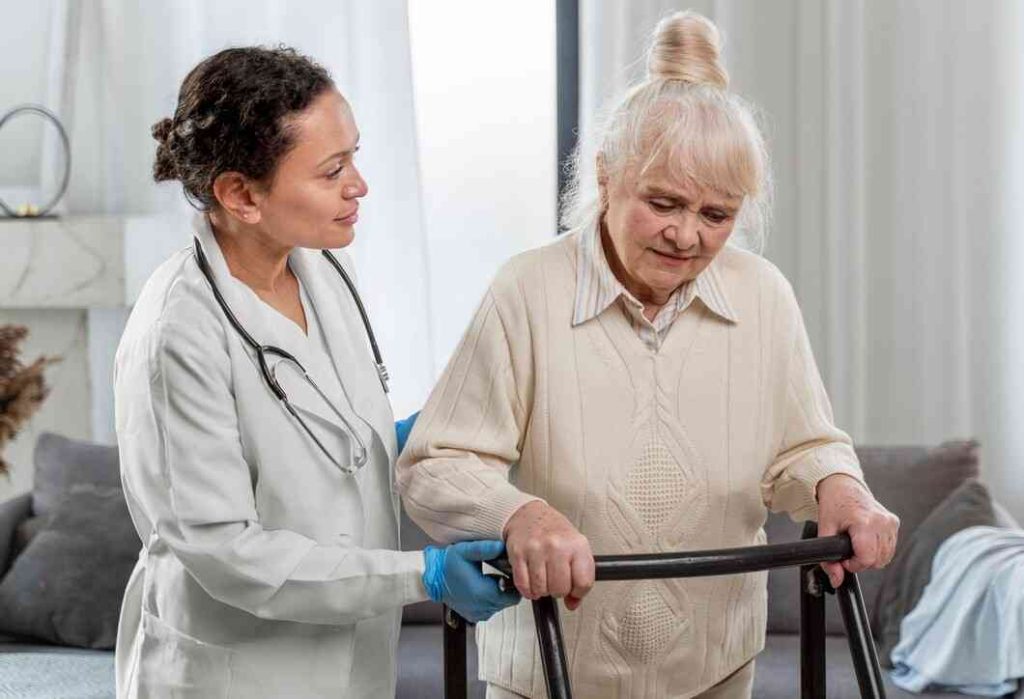
Physical stability remains a primary concern for aging veterans, especially those who carry the physical legacy of their service. High-impact roles, heavy equipment, and demanding environments often lead to early-onset musculoskeletal issues that compromise balance. When an individual transitions into their senior years, these service-connected conditions frequently intersect with the natural physiological changes of aging, creating a heightened risk for accidents. Safeguarding a veteran within their own residence requires a proactive strategy that moves beyond simple supervision. It involves a systematic approach to environmental modification, physical assistance, and health monitoring. By addressing the root causes of instability, home-based support systems provide a protective barrier that preserves the individual’s health and independence.
The Mechanical Nature of Balance and Stability
Balance involves a complex coordination between the sensory system, the brain, and the muscles. For many veterans, this coordination suffers due to previous injuries. Nerve damage, joint degradation, or the residual effects of blast exposures can interrupt the signals the body uses to maintain an upright position. When these signals fail, the risk of a fall increases exponentially. Professional care providers focus on these mechanical vulnerabilities by assisting with exercises that improve core strength and gait stability.
Strength training within the home environment focuses on the muscle groups essential for “functional mobility.” This includes the legs, hips, and lower back. When a veteran maintains muscular tone, they possess the physical reserves necessary to correct their posture if they trip. Furthermore, caregivers monitor the veteran’s gait, identifying subtle changes in how they walk. These observations allow for early intervention, such as suggesting a change in footwear or the introduction of a walking aid before a significant injury occurs.
Environmental Hazard Identification and Elimination
The home environment often contains numerous “invisible” threats that a healthy person overlooks. For a senior with limited mobility or vision, a slightly loose rug or a dimly lit hallway represents a major hazard. A systematic audit of the living space serves as the first line of defense against injuries. This process involves evaluating every room to ensure that the layout supports safe movement.
- Lighting Optimization: Increasing wattage in hallways and installing motion-sensor lights in bathrooms prevents stumbles during the night.
- Floor Surface Management: Removing throw rugs and securing electrical cords eliminates common tripping points.
- Clear Transit Paths: Rearranging furniture to create wide, unobstructed paths allows for the safe use of walkers or canes.
- Bathroom Safety Installations: Adding non-slip mats and strategically placed grab bars provides stability in the most high-risk room of the house.
Securing a professional veteran care service allows for an expert assessment of the home’s layout, ensuring that these modifications meet the specific physical needs of the individual. This external perspective often identifies risks that the veteran or their family members might have grown accustomed to over time.
The Interaction Between Medication and Equilibrium
Many seniors manage multiple prescriptions for chronic conditions, ranging from hypertension to chronic pain. These medications often carry side effects that directly impact balance, such as dizziness, drowsiness, or sudden drops in blood pressure. In a veteran population, the use of pain management protocols for old service injuries can further complicate this picture. Caregivers play a vital role in medication oversight, ensuring that the veteran adheres to their schedule and remains alert to adverse reactions.
When a caregiver observes signs of orthostatic hypotension—dizziness that occurs when standing up—they can implement safety protocols. This might include encouraging the veteran to sit on the edge of the bed for a full minute before rising. By maintaining a detailed log of medication timing and the veteran’s subsequent physical state, the care team provides valuable data to healthcare providers. This data helps doctors adjust dosages or switch medications to minimize the “fog” that often leads to accidental trips and falls.
Mobility Support and Safe Transfers
The most dangerous moments for a senior often occur during “transfers”—the act of moving from a bed to a chair, or from a sitting to a standing position. These movements require a sudden shift in weight and a surge in blood flow that can easily lead to a loss of balance. Professional assistance during these transitions significantly reduces the likelihood of a fall. Caregivers use proper lifting techniques and assistive devices to ensure that the veteran moves smoothly and safely.
- Bed-to-Chair Transfers: Using gait belts or steadying arms to provide a firm anchor during the move.
- Seated Transitions: Ensuring that chairs have high seats and sturdy armrests to help the veteran push themselves up.
- Stair Navigation: Providing physical “spotting” or assistance when the veteran must move between different levels of the home.
- Toileting Assistance: Managing the physical demands of bathroom use with dignity and mechanical support.
These moments of direct physical support prevent the muscle fatigue that often leads to a collapse. By conserving the veteran’s energy during these routine movements, the caregiver ensures that the individual remains stronger throughout the rest of the day.
Cognitive Vigilance and Injury Prevention
Mental clarity and environmental awareness are essential for avoiding obstacles. For veterans dealing with cognitive decline or the psychological effects of past trauma, maintaining focus on their immediate surroundings can be challenging. Impulsivity—such as trying to answer the door too quickly or reaching for an object on a high shelf—frequently results in an injury. Caregivers provide the “cognitive backup” necessary to prevent these risky behaviors.
A caregiver acts as a second set of eyes and ears, anticipating needs before the veteran feels the urge to take a risk. If the veteran needs a glass of water or a book from across the room, the caregiver retrieves it. This reduces the number of “unnecessary” trips the veteran makes, thereby lowering the statistical probability of a fall. Additionally, for those with memory issues, the caregiver provides constant reminders to use their walker or cane, ensuring that the veteran never attempts to move without their necessary support.
Nutritional Foundations of Physical Resilience
Physical fragility often stems from poor nutrition or dehydration. When the body lacks sufficient protein, muscle wasting (sarcopenia) accelerates, leaving the veteran with less strength to support their frame. Dehydration leads to confusion and physical weakness, both of which are primary drivers of falls. Home care professionals incorporate nutritional support into the daily safety plan, ensuring that the veteran consumes a diet that supports bone density and muscle health.
- Hydration Schedules: Providing regular prompts to drink water throughout the day to maintain blood volume and mental alertness.
- Protein-Rich Meal Planning: Focusing on lean proteins to repair tissues and maintain the strength needed for mobility.
- Vitamin D and Calcium Oversight: Ensuring the veteran receives the nutrients necessary to maintain bone strength, which reduces the severity of an injury if a fall does occur.
- Managing Blood Sugar: For veterans with diabetes, stable blood sugar levels prevent the dizzy spells associated with hypoglycemia.
By treating the body as a mechanical system that requires high-quality fuel, care providers strengthen the veteran from the inside out. This internal fortification makes the individual more resilient to the physical stresses of daily life.
The Psychological Impact of Fall Prevention
The fear of falling often creates a vicious cycle of decline. When a veteran loses confidence in their balance, they tend to limit their movements. This inactivity leads to further muscle atrophy and joint stiffness, which actually increases the risk of a future fall. This psychological barrier can be just as debilitating as a physical injury. Home care professionals help break this cycle by providing a safe environment where the veteran feels confident moving.
This restoration of confidence allows the veteran to remain active within their home. Whether it is walking to the kitchen or engaging in light gardening, these activities maintain the body’s functional capacity. The presence of a caregiver provides a “psychological safety net,” allowing the veteran to focus on their movements rather than their fear. This mental shift is crucial for long-term independence, as a confident senior is much more likely to maintain the habits that support their health.
Assistive Technology and Modern Safety Tools
While human intervention remains the gold standard for safety, modern technology offers additional layers of protection. Home care plans often integrate these tools to provide 24/7 oversight. For instance, wearable fall-detection devices can alert a caregiver or a monitoring center the moment a sudden downward movement occurs. This ensures that even if a fall happens, the duration of “downtime” is minimized, which is critical for preventing long-term complications.
- Bed and Chair Alarms: Alerting the caregiver when the veteran attempts to rise without assistance.
- Smart Home Systems: Using voice-activated lights and thermostats to reduce the need for the veteran to move across a room to adjust their environment.
- Video Monitoring: Providing non-intrusive oversight in high-risk areas like stairwells or entryways.
- Automated Medication Dispensers: Preventing the confusion that leads to over-medication or missed doses.
These tools work in tandem with the caregiver, creating a comprehensive safety ecosystem. Technology handles the constant monitoring, while the caregiver provides the human touch and physical assistance that machines cannot replicate.
Long-Term Outcomes of Professional Safety Oversight
The ultimate goal of injury prevention is to extend the period during which a veteran can live with dignity in their own home. Every fall prevented is a potential hospitalization avoided. For many seniors, a single hip fracture or head injury marks the end of their independent living. By investing in professional home care, families protect their loved ones from these life-altering events.
The benefits of this oversight extend to the veteran’s family as well. Knowing that a professional is managing the physical risks allows adult children and spouses to focus on their relationship with the veteran rather than acting as constant “safety wardens.” This shift improves the quality of life for the entire family unit, fostering a home environment characterized by peace and security rather than anxiety and risk.
Establishing a Culture of Safety
Fall prevention is not a one-time event; it is a continuous culture of vigilance. As the veteran’s health evolves, the care plan must adapt. A caregiver who sees the veteran daily is the first to notice when a formerly easy task becomes a struggle. This ongoing assessment ensures that the safety protocols remain effective over months and years.
Through consistent interaction, the caregiver and the veteran develop a partnership based on mutual respect. This relationship makes the veteran more likely to accept help and follow safety recommendations. By framing fall prevention as a “team mission,” the caregiver taps into the veteran’s ingrained sense of discipline and cooperation. This collaborative approach ensures that the home remains a sanctuary where the veteran can age with honor and physical security.
Professional Advocacy for Home Modifications
Beyond daily tasks, home care professionals act as advocates for the veteran’s physical environment. They often collaborate with occupational therapists to recommend more significant structural changes that the veteran may be entitled to through various benefits. These modifications go beyond simple grab bars and may include the installation of walk-in tubs, wheelchair ramps, or stair lifts.
Having a professional who can articulate the medical necessity of these changes speeds up the process of securing them. These structural improvements provide a permanent increase in safety, ensuring that the home evolves alongside the veteran’s needs. By combining these physical changes with the daily support of a caregiver, the veteran gains a comprehensive “safety fortress” that protects them from the myriad risks of aging in place.
The Role of Sensory Maintenance in Balance
Visual and auditory health play massive roles in maintaining an upright position. If a veteran cannot see a change in floor height or hear a warning sound, their risk of injury rises. Caregivers ensure that the veteran’s sensory aids—such as glasses and hearing aids—are clean, functioning, and used correctly. They also monitor for signs that a new prescription or a specialist visit is necessary.
Sensory maintenance also involves managing the “spatial orientation” of the veteran. For someone with inner-ear issues, sudden head movements can trigger vertigo. A caregiver trained in these nuances will encourage the veteran to move their head slowly and avoid looking up at high shelves. This attention to detail prevents the momentary disorientation that so often precedes a fall. By optimizing the veteran’s ability to perceive their environment, the care team enhances the individual’s natural ability to stay safe.
Conclusion
The prevention of falls and injuries for veterans is a multifaceted challenge that requires a blend of medical knowledge, environmental strategy, and physical support. Professional home care addresses these needs by creating a structured, safe, and supportive living environment. From the mechanical oversight of gait and strength to the logistical management of medications and home modifications, these services provide a comprehensive solution to the risks of aging. By prioritizing safety, we honor the service of these individuals, ensuring they can enjoy their later years in the comfort and security of the homes they worked so hard to protect.
FAQs
Why are veterans at a higher risk of falls compared to others?
Many veterans experience early-onset orthopedic issues and nerve damage resulting from the physical demands of their service. These historical injuries often merge with age-related changes, such as decreased muscle mass and vision loss, creating a unique set of balance challenges that require specialized attention and safety protocols.
How does improved lighting reduce the risk of injury?
Poor lighting obscures floor hazards and makes it difficult for seniors to gauge depth and distance. By increasing brightness in transition areas like hallways and stairs, and using motion-activated lights, caregivers ensure that veterans can see obstacles clearly, significantly reducing the likelihood of a trip or stumble.
What role does medication play in home safety?
Certain medications cause side effects like dizziness, fatigue, or low blood pressure, all of which compromise balance. Professional caregivers monitor medication adherence and watch for these side effects, ensuring that the veteran does not attempt to move while feeling disoriented or physically weak.
Can strength exercises at home really prevent falls?
Yes. Core and leg strength are essential for maintaining balance and correcting one’s posture during a trip. Caregivers assist with low-impact exercises designed to maintain muscle tone and joint flexibility, which provides the veteran with the physical capacity to stay upright and move more confidently.
What are the most common “hidden” hazards in a home?
Common hazards include loose rugs, electrical cords across walkways, low furniture that is hard to see, and cluttered paths. A professional safety audit identifies these issues and implements solutions, such as removing rugs or rearranging furniture, to create a clear and safe transit environment.
How does cognitive health impact physical safety?
Cognitive decline can lead to poor judgment, such as forgetting to use a walker or moving too quickly. Caregivers provide the necessary supervision and reminders to ensure the veteran follows safety protocols, acting as a “second set of eyes” to prevent impulsive movements that could lead to an injury.
Why is footwear important for fall prevention?
Inappropriate footwear, such as loose slippers or shoes with slick soles, often causes slips. Caregivers ensure that veterans wear sturdy, well-fitting shoes with non-slip grips, even inside the house. Proper footwear provides the traction and ankle support necessary for stable movement on various floor surfaces.
What is the “Fear of Falling” and how is it managed?
The fear of falling is a psychological state where a senior limits their activity to avoid accidents. This inactivity actually leads to weaker muscles and a higher risk. Caregivers help by providing physical support and encouragement, rebuilding the veteran’s confidence so they can remain active and strong.
How do care plans adapt as a veteran’s needs change?
Professional care involves ongoing assessment. As a veteran’s mobility or health shifts, the caregiver and the wider care team update the safety plan. This might include introducing new assistive devices, increasing the level of physical assistance during transfers, or recommending further home modifications.
How do caregivers assist with safe transfers?
Transfers involve moving between sitting and standing or from bed to chair. Caregivers use specific techniques and tools, like gait belts, to provide stability. They ensure the veteran moves slowly and has a firm grip on a steady surface, preventing the sudden loss of balance that often occurs during these transitions.