
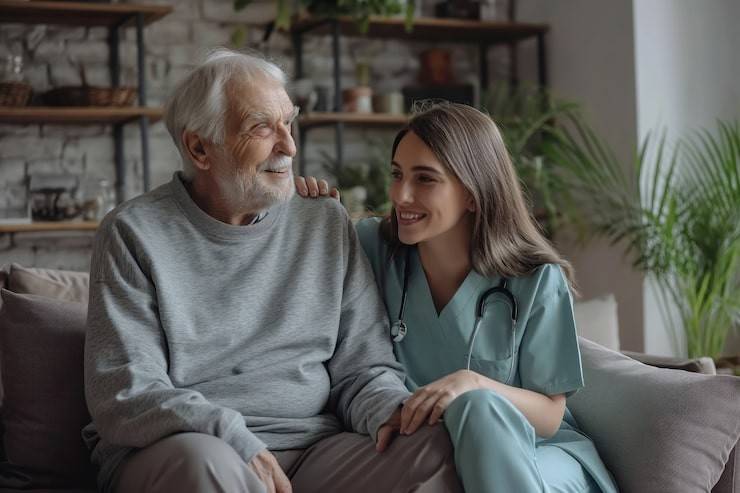
The preservation of health for those who served in the military requires a shift from reactive treatments to proactive surveillance. For many years, the standard approach to healthcare involved addressing symptoms only after they became debilitating. This model often fails the veteran population, whose physical and psychological histories include unique stressors that manifest in complex ways during the aging process. Routine wellness monitoring creates a different paradigm, one where data and frequent observation provide a shield against the progression of chronic conditions. By identifying subtle shifts in physiology and mood before they escalate, care providers ensure that veterans maintain the highest possible quality of life.
The Philosophy of Preventive Oversight
Military service instills a sense of discipline and readiness, yet many individuals struggle to apply these principles to their own long-term health once they leave active duty. The transition to civilian life often disrupts the structured medical oversight provided during service. Routine wellness monitoring restores this structure, offering a consistent framework for health assessment. This process involves the regular collection of vital statistics, emotional check-ins, and functional assessments. The goal remains simple: to maintain the veteran’s “operational readiness” for the challenges of daily life.
Preventive oversight functions by establishing a baseline of “normal” for each individual. Because every veteran possesses a unique medical history—influenced by deployment locations, physical roles, and exposure levels—a generic health standard rarely suffices. Continuous tracking allows providers to recognize when an individual deviates from their specific baseline. This early recognition acts as a critical intervention point, allowing for lifestyle adjustments or medical consultations that can halt a downward health trend.
Biomarkers and the Biological Legacy of Service
The human body carries the physical record of military service, often in the form of accelerated wear and tear on vital systems. Routine monitoring focuses heavily on biomarkers—measurable indicators of biological states. These metrics provide an objective view of how the body handles the stress of aging.
- Blood Pressure and Cardiac Health: Constant vigilance over cardiovascular metrics is essential for veterans, who may face higher risks of hypertension due to historical stress. Regular readings help identify spikes that might otherwise go unnoticed during a standard annual checkup.
- Respiratory Rate and Oxygen Saturation: For those exposed to environmental hazards during their service, tracking lung function ensures that any decline in respiratory efficiency receives immediate attention.
- Glucose and Metabolic Stability: Monitoring blood sugar levels prevents the onset of metabolic disorders that can result from changes in activity levels post-service.
- Heart Rate Variability (HRV): This metric serves as a powerful indicator of the autonomic nervous system’s health, revealing how well a veteran’s body recovers from physical and emotional stress.
Tracking these biomarkers creates a comprehensive picture of internal health. When a veteran sees their own data trending in a positive direction, it reinforces the value of their healthy choices. Conversely, seeing a negative trend provides the necessary motivation to seek professional advice or alter daily habits.
Sleep Hygiene and Neurological Recovery
Sleep often serves as the first casualty of military service. Irregular shifts, high-stress environments, and the requirement for constant alertness frequently lead to chronic sleep disturbances. Unfortunately, poor sleep acts as a catalyst for a host of other health issues, including cognitive decline, weakened immunity, and emotional instability. Wellness monitoring prioritizes sleep quality as a primary indicator of overall health.
By tracking sleep patterns, such as the duration of deep sleep cycles and the frequency of nighttime awakenings, providers can identify triggers for poor rest. This monitoring might reveal that a veteran’s sleep struggles correlate with specific daily activities or dietary choices. Addressing these issues through routine oversight allows for the implementation of better sleep hygiene without immediately resorting to pharmaceutical aids. Consistent, restorative sleep improves neurological recovery, allowing the brain to process the events of the day and maintain peak cognitive function.
Metabolic Stability: Weight and Nutrition Surveillance
Maintaining a healthy weight becomes increasingly difficult as physical activity levels change in later life. For veterans used to high-intensity training, the shift to a more sedentary lifestyle can lead to rapid weight gain and associated complications. Wellness monitoring includes regular weight and body composition assessments to ensure the individual stays within a healthy range.
Nutrition surveillance goes beyond just counting calories; it involves tracking the intake of essential nutrients that support bone density and muscle mass. For a senior veteran, protein intake and hydration levels are critical for maintaining the physical strength required for independence. Routine check-ins allow care providers to offer nutritional adjustments that align with the veteran’s specific health goals. This proactive approach ensures that the body has the fuel it needs to resist the frailty often associated with aging.
Cognitive Health: Early Detection of Decline
The brain requires regular exercise and monitoring just as much as the muscles. Veterans, particularly those who have experienced head injuries or prolonged exposure to high-pressure environments, must remain vigilant regarding their cognitive health. Routine wellness monitoring includes periodic cognitive screenings that track memory, processing speed, and executive function.
Early detection of cognitive shifts is vital for several reasons. First, it allows for the identification of reversible causes of “brain fog,” such as vitamin deficiencies or medication side effects. Second, if a more serious cognitive condition is developing, early intervention provides the best chance of slowing its progression. By incorporating cognitive games and assessments into a routine wellness plan, veterans keep their minds sharp and engaged, preserving their ability to manage their own affairs and stay connected to their loved ones.
Mental Health: Tracking Stress and Resilience
Emotional wellness fluctuates based on life circumstances, but for veterans, these fluctuations can be more intense due to the weight of their past experiences. Routine wellness monitoring provides a safe space for regular emotional check-ins. These assessments look for signs of persistent stress, anxiety, or social withdrawal.
Monitoring emotional health involves more than just asking “how are you?” It requires looking at behavioral patterns, such as changes in social engagement or a loss of interest in hobbies. When these shifts are identified early, veterans can access support systems before a mental health struggle becomes a crisis. Regular monitoring also helps individuals build resilience by teaching them to recognize their own emotional triggers and use healthy coping mechanisms. This ongoing oversight ensures that the “mental armor” developed during service remains intact and functional in a civilian context.
Functional Independence: Gait and Balance Analytics
The ability to move freely is the cornerstone of independence. As a veteran ages, their gait and balance can become compromised by old injuries or neurological changes. Routine wellness monitoring includes physical assessments that track how an individual moves.
- Step Counts and Active Minutes: Monitoring daily movement levels ensures that the veteran remains physically engaged and avoids the traps of a sedentary lifestyle.
- Balance Assessments: Simple tests that measure stability can predict the risk of future falls, allowing for the introduction of balance-focused exercises.
- Gait Analysis: Changes in walking speed or stride length can indicate underlying issues with joint health or neurological coordination.
- Flexibility and Range of Motion: Regular tracking of joint health ensures that the veteran maintains the ability to perform daily tasks like reaching for items or climbing stairs.
By focusing on these functional metrics, wellness monitoring helps prevent the injuries that often lead to a loss of autonomy. Maintaining physical “readiness” through regular tracking ensures the veteran can continue to enjoy their home and community.
Medication Optimization: The Safety of Adherence
Many senior veterans manage complex medication regimens to address various service-connected conditions. While these medications are necessary, they can also cause side effects or interact poorly with one another. Wellness monitoring includes a regular review of medication adherence and efficacy.
Care providers track whether the medications are achieving the desired results and monitor for any adverse reactions. This oversight is especially important when a new prescription is added. By maintaining a clear record of how a veteran feels while taking their medications, the care team can provide accurate feedback to doctors, leading to better-informed adjustments. This ensures that the veteran receives the maximum benefit from their treatments with the minimum amount of risk.
The Economic Advantage of Early Intervention
Beyond the personal health benefits, routine wellness monitoring offers significant economic advantages. Emergency room visits and long-term hospitalizations are incredibly costly and often result from health issues that could have been managed at home if caught earlier. By identifying a rising blood pressure trend or a developing infection through routine checks, the veteran avoids the financial and physical trauma of a major medical event.
Investing in consistent oversight is a cost-effective strategy for long-term health. It reduces the need for expensive, intensive interventions and allows for more efficient use of healthcare resources. For the veteran, this means their retirement funds and benefits go further, as they are not being drained by avoidable medical crises.
Family Dynamics and Collective Peace
When a veteran’s health is being monitored professionally, the entire family benefits. Spouses and adult children often carry the emotional burden of worrying about their loved one’s well-being. Routine wellness checks provide these family members with peace of mind, knowing that a structured system is in place to catch potential problems.
This professional oversight allows family interactions to focus on companionship and joy rather than constant health-related questioning. It also provides the family with clear, data-driven information that they can use to support the veteran more effectively. When everyone in the support network has access to the same wellness insights, the care provided at home becomes more cohesive and less stressful for all involved.
The Role of Technology in Modern Monitoring
The tools available for wellness tracking have evolved significantly, allowing for more precise and less intrusive monitoring. Wearable devices can now track heart rate, sleep, and activity levels in real-time, providing a continuous stream of data that was previously impossible to collect. Accessing a dedicated veteran care service ensures that these data points translate into actionable health improvements through professional analysis.
Technology also facilitates remote monitoring, which is particularly beneficial for veterans living in rural areas. They can share their vital signs with their care team without needing to travel, ensuring they receive consistent oversight regardless of their location. This integration of technology and human expertise creates a robust safety net that adapts to the veteran’s lifestyle.
Social Wellness and Isolation Prevention
Human connection is a vital component of health that is often overlooked in traditional medical models. Routine wellness monitoring includes an assessment of a veteran’s social health. Are they seeing friends? Are they participating in community events? Are they feeling lonely?
Isolation can have a physical impact on health, increasing the risk of heart disease and cognitive decline. By monitoring social engagement levels, care providers can identify when a veteran is starting to withdraw. Interventions might include connecting the individual with local veteran groups or facilitating video calls with distant family members. Keeping the veteran socially active is a key part of maintaining their overall wellness and sense of purpose.
Environmental Wellness: The Safety of the Home
A veteran’s surroundings significantly impact their health and safety. Routine wellness checks often include a scan of the home environment to ensure it continues to support the individual’s needs. This might involve checking for proper lighting, ensuring the home is kept at a healthy temperature, or identifying new physical obstacles.
A safe home environment reduces stress and prevents accidents. By ensuring that the veteran’s living space is optimized for their current physical abilities, wellness monitoring supports long-term independence. This holistic view of health acknowledges that wellness is not just about what happens inside the body, but also how the individual interacts with the world around them.
Building a Long-Term Health Partnership
Routine monitoring is not a one-sided process; it is a partnership between the veteran and their care team. It requires the veteran to be an active participant in their own health journey. By engaging with their data and participating in regular check-ins, the veteran takes ownership of their well-being.
This partnership fosters a sense of agency and empowerment. The veteran is no longer a passive recipient of care but a proactive leader of their health strategy. This shift in mindset is essential for long-term success, as it ensures the veteran remains motivated to follow through with the recommendations of their care team. Together, the veteran and the providers build a foundation for a healthy, independent future.
Conclusion
The benefits of routine wellness monitoring for veterans are clear and far-reaching. By shifting the focus to proactive surveillance and early intervention, we honor the service of these individuals by protecting their health and autonomy. From the tracking of vital biomarkers to the preservation of cognitive and social health, this thorough approach to wellness ensures that the aging process is managed with dignity and precision. Routine monitoring provides the insights necessary to make informed decisions, the support needed to maintain healthy habits, and the peace of mind that comes from knowing one is never alone in their health journey. It is a vital investment in the lasting vitality of those who have given so much to their country.
FAQs
How does routine wellness monitoring differ from a standard doctor’s visit?
Standard doctor visits are typically episodic and often focus on treating existing symptoms. Routine wellness monitoring is continuous and proactive, tracking health data like vitals and mood over time to identify subtle changes before symptoms appear, allowing for much earlier and more effective intervention.
What specific biomarkers should be tracked regularly?
Key biomarkers include blood pressure, heart rate, oxygen saturation, glucose levels, and weight. For veterans, monitoring heart rate variability and respiratory health is also crucial, as these can reveal how the body is coping with historical service-related stressors and current aging processes.
Can wellness monitoring help with PTSD or anxiety?
Yes, routine monitoring includes emotional check-ins that track stress levels and mood patterns. By identifying triggers and behavioral shifts early, veterans can access support and coping strategies before mental health challenges escalate, helping them maintain emotional resilience and stability in their daily lives.
How does monitoring sleep improve overall health?
Sleep is essential for neurological recovery and immune function. Monitoring sleep patterns helps identify disturbances that could lead to cognitive decline or physical fatigue. Addressing sleep issues early ensures the brain and body can recover properly, improving focus, mood, and long-term physical health.
Is technology required for effective wellness monitoring?
While not strictly required, technology like wearable devices and remote monitoring tools makes the process much more precise and convenient. These tools allow for the continuous collection of data, which professionals can then analyze to provide more accurate and timely health recommendations to the veteran.
Does wellness monitoring include physical activity tracking?
Yes, tracking daily movement, gait, and balance is a core part of wellness monitoring. By ensuring a veteran stays active and identifying changes in how they move, care providers can help prevent falls and maintain the muscular strength necessary for the veteran to live independently.
How often should wellness check-ins occur?
The frequency depends on the individual’s health status and needs. Some veterans benefit from daily automated vital checks, while others might have weekly or bi-weekly personal check-ins. The goal is to provide enough oversight to catch changes early without being intrusive to the veteran’s lifestyle.
What role does nutrition play in wellness monitoring?
Nutrition surveillance ensures the veteran receives the proper balance of nutrients to maintain bone density and muscle mass. Regular reviews of dietary habits and hydration levels help prevent frailty and metabolic issues, providing the body with the fuel it needs for optimal function.
Can family members see the data from wellness monitoring?
With the veteran’s consent, family members can often access wellness reports or receive updates. This shared information helps the family provide better support at home and offers them peace of mind, knowing that their loved one’s health is being professionally and consistently monitored.
Does monitoring help with medication safety?
Absolutely. Regular reviews of medication adherence and side effects ensure that treatments are working effectively and safely. Monitoring helps identify adverse reactions or potential drug interactions early, allowing for quick adjustments that protect the veteran’s health and improve treatment outcomes.