
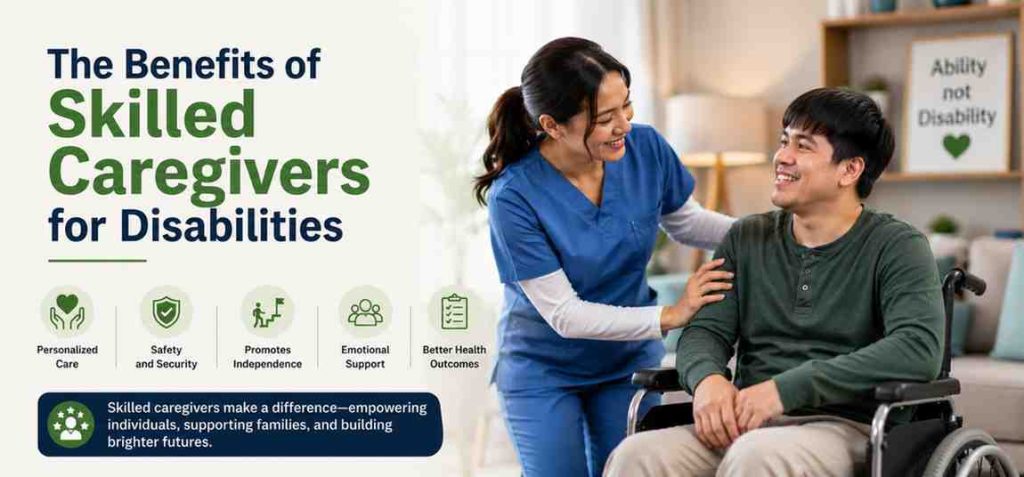
Families often face emotional, financial, and physical pressure while supporting a loved one with a disability. Daily routines may require constant attention, structured planning, and reliable assistance. Skilled caregivers reduce that pressure by providing focused support that improves safety, comfort, confidence, and stability. Their work extends far beyond routine tasks because they help individuals maintain dignity, strengthen independence, and build stronger social connections.
Professional caregivers assist children, adults, and older individuals with different physical, intellectual, emotional, and neurological conditions. They adapt support according to mobility levels, communication abilities, behavioral needs, and medical requirements. Their training allows them to respond calmly during emergencies, maintain structured routines, and encourage positive habits that support long-term well-being.
Why Skilled Caregivers Matter?
Individuals with disabilities often require specialized assistance that changes according to age, health conditions, mobility, and emotional needs. Skilled caregivers provide personalized support that respects individual goals and daily preferences. Their involvement creates routines that improve consistency and reduce confusion.
Professional caregivers monitor health changes, maintain medication schedules, assist with hygiene, prepare meals, and support mobility. They also encourage social interaction and healthy communication. Their balanced approach helps individuals remain active participants in family and community life.
Caregivers also create safer living environments. They identify fall risks, monitor behavioral changes, and prevent avoidable accidents. Their training allows them to respond quickly during medical or emotional emergencies.
Families benefit from a reliable structure because caregiving responsibilities often continue throughout the day and night. Skilled professionals reduce uncertainty while improving daily organization and emotional balance within the home.
Support That Encourages Independence
Many people assume disability support removes independence. Skilled caregivers actually promote greater self-reliance by encouraging participation in daily routines and personal decisions. They focus on abilities instead of limitations.
Caregivers support independence through practical strategies such as:
- Encouraging individuals to complete manageable tasks independently
- Supporting communication during social interactions
- Assisting with transportation and community activities
- Building routines that improve confidence and organization
- Promoting personal hygiene and healthy eating habits
- Creating realistic goals that strengthen motivation
This approach allows individuals to maintain control over important aspects of daily life. Even small accomplishments can increase confidence and emotional resilience.
Supportive caregiving also helps individuals remain socially connected. Participation in educational programs, hobbies, family gatherings, and community activities often becomes easier with professional assistance. Strong social interaction supports emotional health and reduces feelings of loneliness.
Improved Physical Health and Daily Safety
Many disabilities involve physical challenges that affect mobility, coordination, strength, or balance. Skilled caregivers help reduce injury risks while supporting daily movement and activity.
They assist with:
- Safe transfers between beds, chairs, and vehicles
- Mobility support during walking or exercise
- Proper medication management
- Meal preparation based on dietary requirements
- Monitoring signs of illness or discomfort
- Scheduling appointments and transportation
Professional caregivers also maintain cleanliness and hygiene standards that support health and comfort. Proper bathing assistance, clean living areas, and organized medication routines help prevent infections and avoidable complications.
Consistent observation plays a major role in effective support. Skilled caregivers often notice subtle health changes before serious complications develop. Early attention may prevent hospital visits and support faster treatment.
Emotional Support Creates Stability
Disabilities can affect emotional health as strongly as physical health. Some individuals experience frustration, anxiety, isolation, or low confidence because of communication barriers or limited independence. Skilled caregivers provide emotional reassurance through patience, structure, and respectful interaction.
Strong caregiving relationships encourage trust and stability. Individuals often feel more secure when daily routines remain predictable and supportive. Calm communication and reliable assistance reduce stress and emotional overwhelm.
Caregivers also encourage healthy emotional expression. They help individuals participate in conversations, recreational activities, and family interactions that strengthen confidence and connection.
Emotional support benefits families as well. Relatives often carry heavy emotional pressure while balancing caregiving duties with work and household responsibilities. Professional support reduces exhaustion and allows family relationships to become more positive and less stressful.
Specialized Knowledge Improves Care Quality
Professional caregivers receive training that prepares them to manage complex situations with skill and patience. Their knowledge improves the quality and consistency of support.
Many caregivers receive instruction in:
- Mobility assistance techniques
- Medication monitoring
- Behavioral support methods
- Communication strategies
- Emergency response procedures
- Nutrition and hygiene practices
- Cognitive support activities
This training allows caregivers to provide support that respects medical requirements while protecting emotional well-being.
Specialized caregivers also adapt support according to specific conditions. Some individuals require speech assistance, sensory accommodations, behavioral structure, or physical therapy support. Trained professionals adjust routines and communication methods to match those needs effectively.
Families often gain peace of mind when qualified caregivers manage sensitive responsibilities with professionalism and compassion.
The Role of Communication in Effective Care
Strong communication forms the foundation of successful caregiving. Skilled caregivers listen carefully, observe behavioral changes, and respond respectfully during daily interactions. Effective communication helps individuals feel valued instead of dependent.
Some individuals communicate verbally, while others rely on gestures, visual tools, assistive devices, or behavioral signals. Experienced caregivers adapt communication methods according to individual needs and preferences.
Clear communication also helps families remain informed about health updates, emotional changes, and daily progress. This transparency builds trust and encourages stronger cooperation between caregivers and relatives.
Caregivers who communicate effectively often reduce frustration and behavioral tension. Consistent interaction helps individuals feel heard, respected, and emotionally supported.
Support for Children With Disabilities
Children with disabilities often require structured assistance that supports both development and emotional security. Skilled caregivers help children build routines that strengthen skill-building, communication, and social interaction.
They may assist with:
- Educational activities
- Speech practice
- Mobility exercises
- Daily hygiene routines
- Emotional regulation
- Recreational participation
Children benefit greatly from predictable structure and positive encouragement. Skilled caregivers create supportive environments where children feel secure while developing important life skills.
Parents also benefit from reliable assistance because caregiving demands can become overwhelming. Professional support allows families to maintain healthier schedules and stronger emotional balance.
Support for Adults and Aging Individuals
Adults with disabilities often seek greater independence, employment opportunities, and active participation within their communities. Skilled caregivers provide practical support that helps individuals maintain personal goals and social involvement.
Some adults require occasional support, while others need daily assistance with mobility, communication, or medical routines. Personalized care allows individuals to continue participating in meaningful activities without unnecessary restrictions.
Older adults with disabilities may experience additional health concerns related to aging. Skilled caregivers monitor changing physical needs while supporting safety, comfort, and emotional stability.
This balanced support helps individuals maintain dignity throughout different life stages.
Reducing Family Stress and Burnout
Family caregivers often dedicate enormous time and energy to supporting loved ones with disabilities. Long-term caregiving responsibilities may create physical exhaustion, emotional stress, financial strain, and social isolation.
Skilled caregivers provide essential relief by sharing daily responsibilities and creating more manageable routines. Families gain time for work, rest, personal health, and social relationships without compromising quality support for their loved one.
Professional assistance also improves household stability. Clear schedules, organized routines, and dependable support reduce uncertainty and emotional tension within families.
Relatives often feel reassured when trained professionals manage important caregiving responsibilities safely and respectfully.
Encouraging Community Participation
Social connection plays an important role in emotional and mental well-being. Individuals with disabilities deserve opportunities to participate fully in community life, recreational activities, and social events.
Skilled caregivers help remove barriers that limit participation. They provide transportation assistance, communication support, mobility help, and emotional encouragement during outings and activities.
Community involvement may include:
- Educational programs
- Volunteer activities
- Social gatherings
- Religious events
- Recreational clubs
- Fitness activities
- Creative programs
Participation strengthens confidence, reduces isolation, and encourages stronger emotional health. Skilled caregivers help individuals remain engaged with the people and activities that matter most to them.
Long-Term Benefits of Skilled Caregiving
Consistent support creates meaningful long-term benefits for individuals and families. Skilled caregivers improve daily routines while supporting emotional health, physical safety, and personal growth.
Long-term caregiving support often leads to:
- Greater independence
- Improved confidence
- Better emotional stability
- Safer living conditions
- Reduced hospital visits
- Stronger family relationships
- Increased community involvement
- Healthier daily routines
Professional caregiving also supports continuity. Stable routines help individuals feel secure and reduce anxiety related to sudden changes or inconsistent support.
Families frequently report stronger emotional balance when reliable caregiving assistance becomes part of daily life. Structured support allows households to function more smoothly while protecting the well-being of everyone involved.
The Importance of Respect and Dignity
Every individual deserves respectful treatment regardless of physical, intellectual, or emotional challenges. Skilled caregivers protect dignity by supporting personal choices, privacy, communication, and independence.
Respectful caregiving involves patience, active listening, and compassionate interaction. Individuals should feel included in decisions that affect their routines, preferences, and personal goals.
Caregivers who prioritize dignity create stronger relationships built on trust and mutual respect. This approach improves emotional well-being and encourages greater confidence during daily activities.
Professional caregiving should never focus solely on limitations. Effective support recognizes strengths, abilities, and personal identity while providing practical assistance where necessary.
Developmental disabilities care reflects a broad commitment to improving quality support for individuals who require specialized assistance throughout different stages of life.
Conclusion
Skilled caregivers provide far more than practical assistance. They strengthen safety, emotional stability, independence, and social participation for individuals living with disabilities. Their support helps families maintain healthier routines while reducing physical and emotional pressure.
Professional caregiving creates stable environments where individuals can participate more fully in daily life. Through patience, training, structure, and respectful communication, skilled caregivers help people maintain dignity while achieving greater confidence and comfort.
Families benefit from dependable assistance that improves organization, reduces burnout, and supports stronger relationships. Individuals benefit from safer routines, emotional encouragement, and greater opportunities for community involvement.
Quality caregiving protects well-being while promoting independence and personal growth. Skilled caregivers remain essential partners in building supportive environments where individuals with disabilities can live with confidence, connection, and dignity.
FAQs
Why do skilled caregivers matter for individuals with disabilities?
Skilled caregivers provide structured support that improves safety, emotional stability, and independence. Their training helps them manage mobility challenges, communication barriers, behavioral concerns, and daily routines effectively. They also support family members by reducing caregiving pressure and maintaining consistent routines that improve overall quality of life.
How do caregivers help individuals remain independent?
Caregivers encourage participation in daily tasks instead of completing every activity without involvement. They support communication, personal hygiene, transportation, meal preparation, and community participation. This balanced approach allows individuals to build confidence, maintain decision-making abilities, and remain active participants within their homes and communities.
What qualities should families look for in a caregiver?
Families should seek caregivers who demonstrate patience, reliability, communication skills, compassion, and professional training. Strong caregivers respect personal dignity while maintaining safe routines and clear communication. Experience with mobility assistance, behavioral support, and emergency response also strengthens the quality of care provided to individuals with disabilities.
Can professional caregivers support emotional health?
Yes. Skilled caregivers provide emotional reassurance through respectful interaction, structured routines, and positive encouragement. Their support reduces isolation, anxiety, frustration, and emotional stress. Consistent companionship also helps individuals feel more secure, socially connected, and confident during daily activities and community participation.
How do caregivers improve household stability?
Professional caregivers help organize routines, manage appointments, support medication schedules, and maintain safer living conditions. Their assistance reduces stress for family members who often balance caregiving responsibilities with work and personal obligations. Structured support creates a calmer environment and improves emotional balance within the household.
Do children with disabilities benefit from skilled caregivers?
Children benefit greatly from professional support because caregivers help strengthen routines related to education, communication, hygiene, recreation, and emotional regulation. Skilled caregivers also encourage social interaction and positive behavior. Their support creates a structured environment where children can build confidence and important life skills safely.
How do caregivers support community participation?
Caregivers help individuals attend social events, educational activities, fitness programs, volunteer opportunities, and recreational outings. They provide transportation, communication support, and mobility assistance that reduce participation barriers. Community involvement improves emotional well-being, confidence, social interaction, and overall quality of life for individuals with disabilities.
Why does caregiver training matter?
Training prepares caregivers to manage medical routines, mobility support, communication challenges, and emergency situations safely. Skilled professionals can identify health concerns early, maintain structured routines, and provide respectful assistance that protects emotional well-being. Proper training improves consistency, safety, and the overall effectiveness of disability support services.
Can skilled caregivers reduce family burnout?
Yes. Long-term caregiving responsibilities often create emotional exhaustion, physical strain, and limited personal time for family members. Skilled caregivers share daily responsibilities and provide dependable support that allows relatives to rest, work, maintain relationships, and protect their own health while ensuring continued quality care.
What long-term benefits come from skilled caregiving?
Long-term caregiving support often improves independence, confidence, emotional stability, health management, and community involvement. Individuals benefit from safer routines and stronger social participation. Families benefit from reduced stress, greater organization, and healthier relationships. Consistent professional support creates stability that strengthens overall well-being for everyone involved.