
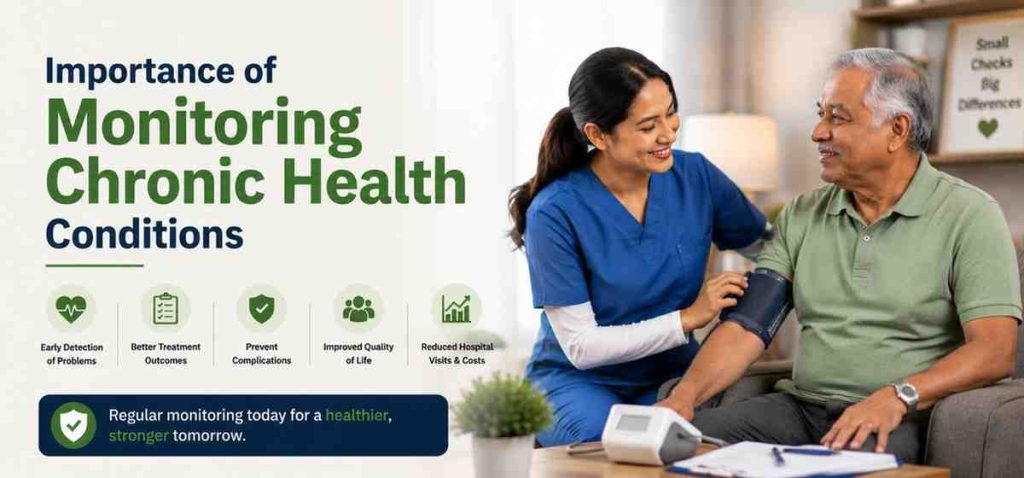
Chronic health conditions affect millions of people across different age groups and lifestyles. These conditions often require continuous attention because symptoms, treatment responses, and overall health status can change gradually or unexpectedly. Regular health monitoring plays a critical role in maintaining stability, preventing complications, and supporting long-term well-being.
Many chronic illnesses develop slowly and continue for extended periods. Conditions such as diabetes, heart disease, arthritis, respiratory disorders, high blood pressure, and kidney disease often require structured medical oversight. Without consistent monitoring, small health changes may progress into serious complications that affect physical health, emotional balance, and daily functioning.
Early Detection Prevents Serious Complications
One of the most important benefits of regular health monitoring involves early identification of medical changes. Many chronic conditions progress gradually without obvious warning signs during the early stages of complications.
Monitoring helps identify concerns such as:
- Rising blood pressure
- Abnormal blood sugar levels
- Changes in breathing patterns
- Sudden weight fluctuations
- Increased pain or inflammation
- Reduced mobility or energy
Early detection allows healthcare professionals to adjust treatments before conditions worsen significantly. Prompt medical attention often prevents hospitalization, permanent damage, or emergencies.
Individuals with chronic illnesses may not notice subtle physical changes immediately. Consistent medical assessments and symptom tracking provide valuable information that supports safer decision-making.
Preventive action remains far more effective than waiting until symptoms become severe or difficult to manage.
Better Medication Management
Many chronic conditions require long-term medication use to control symptoms and prevent complications. Regular monitoring ensures medications continue working effectively while reducing the risk of harmful side effects or interactions.
Healthcare providers often review:
- Dosage effectiveness
- Side effects
- Medication timing
- Blood test results
- Organ function
- Symptom changes
Certain medications may lose effectiveness over time or require adjustment based on health changes. Monitoring helps identify these issues before serious complications develop.
Individuals who manage multiple medications especially benefit from structured oversight. Organized monitoring reduces confusion and supports safer treatment routines.
Consistent medication review also encourages stronger adherence. Patients who receive regular follow-up support often maintain healthier medication habits and clearer communication with healthcare professionals.
Improved Control Over Symptoms
Chronic illnesses frequently involve symptoms that fluctuate depending on lifestyle, treatment consistency, stress levels, and physical activity. Regular monitoring helps individuals recognize patterns that affect symptom severity and daily comfort.
Monitoring may involve tracking:
- Fatigue levels
- Pain intensity
- Sleep quality
- Blood pressure readings
- Blood sugar measurements
- Breathing difficulties
Identifying patterns allows individuals and healthcare providers to make informed adjustments that improve symptom management.
For example, tracking symptoms may reveal connections between diet and blood sugar levels, stress and blood pressure, or physical activity and joint pain. These observations support more effective lifestyle planning and treatment decisions.
Improved symptom control helps individuals maintain stronger independence and daily participation.
Stronger Communication With Healthcare Providers
Accurate health information improves communication during medical appointments. Regular monitoring provides clear records that help healthcare professionals evaluate progress, identify concerns, and recommend appropriate treatment adjustments.
Important monitoring information may include:
- Symptom journals
- Medication schedules
- Blood pressure records
- Glucose readings
- Weight changes
- Physical activity tracking
Detailed information reduces uncertainty during appointments and supports more personalized treatment strategies.
Clear communication also helps patients ask better questions regarding treatment goals, side effects, and preventive care. Active participation strengthens overall healthcare quality and encourages greater confidence in medical decision-making.
Strong communication supports safer, more organized long-term care for chronic conditions.
Reduced Risk of Emergency Situations
Poorly managed chronic conditions may lead to sudden medical emergencies requiring hospitalization or urgent treatment. Regular health monitoring helps reduce those risks through early intervention and preventive action.
Monitoring can help prevent complications such as:
- Heart attacks
- Stroke
- Severe infections
- Kidney damage
- Respiratory distress
- Dangerous blood sugar fluctuations
Routine medical oversight allows healthcare providers to identify warning signs before emergencies occur. Preventive treatment adjustments often reduce the likelihood of serious complications.
Emergencies also create emotional and financial stress for individuals and families. Structured monitoring supports greater stability and long-term safety.
Consistent attention to chronic health needs often leads to fewer disruptions in daily life and reduced hospital admissions.
Supporting Healthier Lifestyle Habits
Lifestyle habits strongly influence many chronic conditions. Diet, sleep, physical activity, hydration, and stress management all affect symptom control and long-term health outcomes.
Regular monitoring encourages healthier routines because individuals become more aware of how daily choices influence their condition.
Monitoring may motivate positive habits such as:
- Following balanced meal plans
- Exercising consistently
- Improving sleep schedules
- Reducing smoking or alcohol use
- Managing stress levels
- Attending medical appointments regularly
People often maintain stronger motivation when they can observe measurable progress related to healthier habits. Small improvements in blood pressure, weight, energy levels, or mobility may encourage continued commitment to treatment plans.
Structured monitoring creates accountability while supporting gradual, sustainable lifestyle improvements.
Emotional Benefits of Health Monitoring
Chronic illnesses often affect emotional well-being alongside physical health. Ongoing symptoms, uncertainty, and treatment demands may contribute to anxiety, frustration, or emotional exhaustion.
Regular monitoring provides emotional reassurance by creating a clearer picture of health status and progress. Individuals often feel more confident when they actively participate in managing their condition.
Emotional benefits may include:
- Reduced uncertainty
- Greater confidence
- Improved treatment adherence
- Stronger motivation
- Better stress management
- Increased sense of control
Monitoring also helps individuals recognize improvements that may otherwise go unnoticed. Positive progress often strengthens emotional resilience and encourages continued focus on long-term health goals.
Families and caregivers frequently experience greater peace of mind when chronic conditions remain consistently monitored and managed.
Improved Quality of Life
Consistent health monitoring supports a better quality of life by helping individuals maintain greater stability and independence. Effective symptom control allows people to participate more comfortably in work, family responsibilities, social activities, and personal interests.
Individuals who monitor chronic conditions regularly often experience:
- Better physical comfort
- Improved mobility
- Increased energy
- Stronger emotional balance
- Greater daily independence
- Reduced medical disruptions
Quality of life depends heavily on preventing complications and maintaining manageable routines. Monitoring helps individuals identify problems early while supporting healthier long-term outcomes.
Even small improvements in symptom control may significantly affect emotional well-being and overall daily functioning.
Monitoring Helps Aging Individuals Stay Safer
Older adults frequently live with multiple chronic conditions requiring ongoing medical oversight. Age-related changes may increase risks involving mobility, memory, medication management, and physical stability.
Regular monitoring supports aging individuals by identifying concerns before they become dangerous or disabling.
Important areas often include:
- Blood pressure
- Medication interactions
- Weight changes
- Cognitive function
- Mobility limitations
- Hydration levels
Structured oversight also helps families and caregivers provide safer support. Organized health tracking improves communication between medical professionals and relatives involved in caregiving responsibilities.
Consistent monitoring allows older adults to maintain independence longer while reducing avoidable health complications.
Technology Supports Better Monitoring
Modern healthcare technology has improved access to health tracking tools that support long-term chronic condition management. Digital devices and remote monitoring systems help individuals track important health information more consistently.
Common tools may include:
- Blood pressure monitors
- Glucose monitoring devices
- Fitness trackers
- Medication reminder apps
- Heart rate monitors
- Telehealth systems
Technology supports faster communication between patients and healthcare providers while improving convenience and consistency.
Remote monitoring also benefits individuals with mobility limitations or transportation challenges. Access to digital health tools allows many patients to manage chronic conditions more effectively from home.
However, technology should support professional medical care rather than replace routine healthcare supervision.
The Importance of Preventive Healthcare
Preventive care remains one of the strongest reasons for consistent health monitoring. Chronic conditions often worsen gradually when symptoms remain unmanaged or untreated.
Preventive healthcare focuses on:
- Identifying risks early
- Maintaining treatment consistency
- Reducing complications
- Supporting healthier habits
- Monitoring physical changes
- Encouraging regular medical evaluations
Regular monitoring allows healthcare providers to adjust care plans before serious health problems develop. Preventive strategies improve long-term stability and reduce costly medical interventions.
Individuals who participate actively in preventive care often maintain stronger overall health and greater confidence in managing chronic conditions.
Encouraging Active Participation in Health Management
People who monitor their health regularly often become more engaged in their own care. Active participation improves awareness, communication, and commitment to treatment plans.
Health monitoring encourages individuals to:
- Recognize symptom patterns
- Follow medication routines
- Attend appointments consistently
- Ask informed medical questions
- Maintain healthier habits
- Track treatment progress
Greater involvement strengthens accountability and supports better long-term outcomes.
Healthcare works most effectively when individuals participate actively instead of relying entirely on emergency treatment after complications appear. Monitoring creates stronger collaboration between patients and healthcare professionals.
Chronic condition management service reflects organized support systems designed to improve long-term health stability through structured monitoring, treatment coordination, and preventive care strategies.
Financial Benefits of Regular Monitoring
Chronic illnesses often involve ongoing medical expenses related to medications, appointments, treatments, and hospital care. Preventive monitoring may reduce financial pressure by helping individuals avoid serious complications that require expensive emergency treatment.
Regular monitoring supports cost reduction by:
- Preventing hospital admissions
- Reducing emergency visits
- Supporting medication effectiveness
- Identifying problems earlier
- Improving treatment consistency
While monitoring requires commitment and regular follow-up care, preventive management often costs less than treating advanced complications.
Healthier routines and stable symptom control also reduce disruptions involving employment, caregiving responsibilities, and daily activities.
Long-term financial stability frequently improves when chronic conditions remain well-managed through structured monitoring and preventive care.
Conclusion
Regular health monitoring remains essential for managing chronic conditions safely and effectively. Consistent oversight helps identify medical changes early, improve medication management, reduce complications, and strengthen communication between patients and healthcare providers.
Monitoring also supports emotional well-being by reducing uncertainty and encouraging greater confidence in daily health management. Individuals often maintain stronger independence and improved quality of life when symptoms remain controlled, and preventive care becomes part of routine living.
Chronic illnesses require long-term attention, structured care, and active participation. Regular monitoring provides valuable information that supports better decisions, healthier habits, and safer treatment strategies.
Families and caregivers also benefit from greater reassurance and improved organization when chronic conditions remain consistently monitored. Preventive action, organized routines, and professional oversight create stronger long-term stability for individuals living with ongoing health challenges.
FAQs
Why is regular monitoring important for chronic illnesses?
Regular monitoring helps identify health changes before serious complications develop. It improves symptom control, medication management, and communication with healthcare providers. Consistent tracking also supports preventive care and allows individuals to make healthier lifestyle adjustments that improve long-term stability and overall quality of life.
What health conditions require ongoing monitoring?
Many chronic conditions benefit from regular monitoring, including diabetes, heart disease, arthritis, asthma, high blood pressure, kidney disease, and respiratory disorders. These conditions often involve changing symptoms and treatment needs that require consistent medical oversight to maintain stability and reduce complications.
How does monitoring improve medication safety?
Monitoring helps healthcare providers evaluate medication effectiveness, identify side effects, and adjust dosages when necessary. Regular reviews reduce risks involving harmful interactions or ineffective treatment. Organized medication oversight also encourages stronger adherence and safer daily routines for individuals managing multiple prescriptions.
Can health monitoring reduce hospital visits?
Yes. Early identification of warning signs often prevents serious complications that require emergency treatment or hospitalization. Routine monitoring allows healthcare professionals to adjust treatment plans before conditions worsen significantly, supporting safer long-term management and reducing avoidable medical emergencies.
What role does lifestyle play in chronic condition management?
Lifestyle habits strongly influence chronic illnesses. Diet, exercise, sleep quality, hydration, and stress management all affect symptom control and long-term health outcomes. Monitoring helps individuals recognize how daily choices impact their condition and encourages healthier routines that support overall well-being.
Does monitoring help emotional health?
Regular monitoring can reduce anxiety and uncertainty by providing clearer information about health progress and treatment effectiveness. Individuals often feel more confident when they actively participate in managing their condition. Better symptom control and organized care routines also support emotional stability and stronger motivation.
How often should chronic conditions be monitored?
Monitoring frequency depends on the specific condition, symptom severity, treatment plan, and overall health status. Some individuals require daily tracking of blood pressure or glucose levels, while others need periodic laboratory testing or medical evaluations. Healthcare providers determine appropriate monitoring schedules based on individual needs.
Can technology improve health monitoring?
Yes. Digital tools such as glucose monitors, blood pressure devices, fitness trackers, and telehealth systems improve consistency and convenience. Technology supports faster communication and better recordkeeping, especially for individuals managing long-term conditions from home or dealing with mobility limitations.
Why does early detection matter so much?
Many chronic illnesses worsen gradually without obvious symptoms during the early stages of complications. Early detection allows healthcare providers to intervene before conditions become severe. Prompt treatment adjustments often prevent permanent damage, emergencies, and unnecessary hospitalization.
How does regular monitoring improve quality of life?
Consistent monitoring supports better symptom control, greater independence, and stronger emotional balance. Individuals often maintain healthier routines and avoid serious complications through preventive care. Improved physical comfort and stability allow greater participation in work, relationships, social activities, and everyday responsibilities.