
Cooking can be a source of joy, creativity, and independence for seniors. Preparing meals not only nourishes the body but also engages the mind, stimulates memories, and fosters a sense of accomplishment. However, as we age, physical limitations, reduced vision, slower reflexes, and chronic health conditions can turn a beloved activity into a source of risk. Maintaining safety in the kitchen is essential to keep seniors confident, independent, and connected to their passion for cooking.
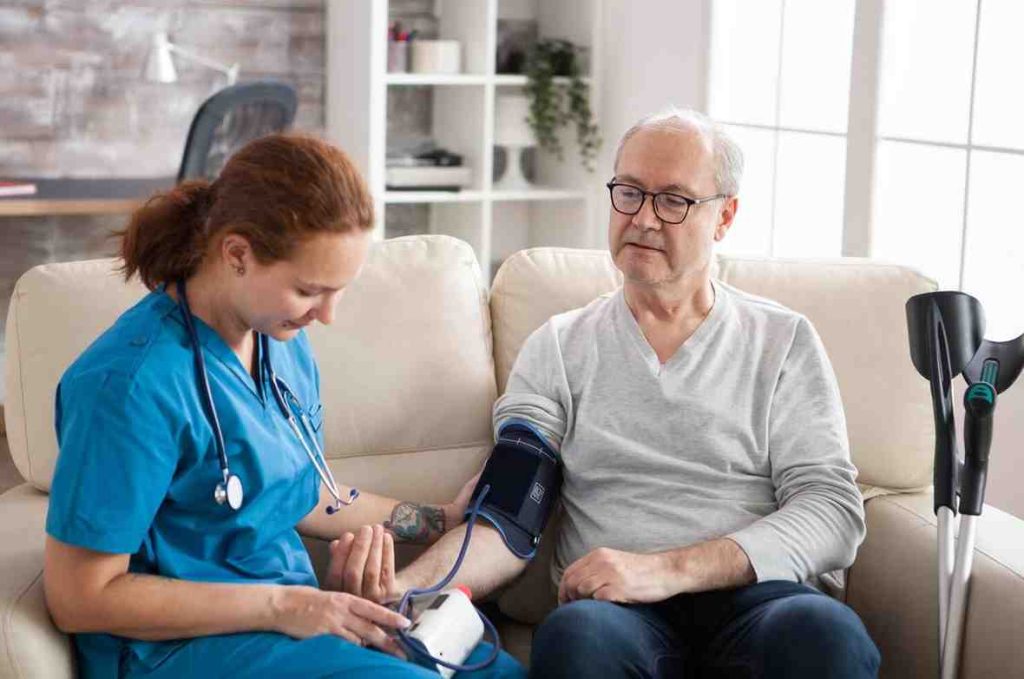
Professional in-home care services in Old Bridge can provide invaluable support in the kitchen. Caregivers assist with tasks that may pose a hazard, such as handling hot cookware, reaching high shelves, or carrying heavy items. They also monitor for signs of fatigue, ensure proper meal preparation, and maintain a safe cooking environment. This support allows seniors to remain engaged in culinary activities while minimizing risk.
Identifying Common Kitchen Hazards for Seniors
The kitchen presents unique challenges that can lead to injuries if not addressed proactively. Some common hazards include:
- Slippery Floors: Spills, wet mats, or grease can cause slips and falls.
- Sharp Objects: Knives, graters, and scissors pose a cutting risk.
- Hot Surfaces and Liquids: Stoves, ovens, and boiling water can cause burns.
- Heavy Lifting: Pots, pans, and appliances may be difficult to manage safely.
- Reaching and Stretching: Cabinets and shelves may require balance or strain.
Awareness of these risks is the first step toward creating a safer kitchen environment.
Essential Kitchen Safety Tips
Implementing practical safety measures helps seniors continue cooking with confidence:
- Non-Slip Mats and Footwear: Use mats and sturdy shoes to prevent falls.
- Proper Lighting: Bright, even lighting reduces accidents and improves visibility.
- Accessible Storage: Place frequently used items within easy reach to avoid stretching.
- Organized Workspaces: Keep counters clutter-free to minimize accidents.
- Temperature Controls: Use timers, oven mitts, and stove guards for safety.
Combining these strategies with caregiver oversight ensures a safer, more enjoyable kitchen experience.
Safe Cooking Practices
Seniors can enjoy cooking while reducing risk by adopting safe techniques:
- Use Sharp Knives Carefully: Proper cutting techniques reduce slips and injuries.
- Cook on Back Burners: Prevent accidental contact with hot surfaces.
- Stir Carefully: Avoid splashing hot liquids and using oversized pots.
- Test Appliance Temperatures: Ensure microwaves, toasters, and stovetops are safe to touch.
- Label Hot Items: Clear labeling prevents accidental burns.
These practical adjustments maintain the joy of cooking while prioritizing safety.
Meal Preparation Support
Caregivers can assist seniors with physically challenging tasks:
- Opening jars or cans
- Lifting heavy pots or pans
- Chopping or slicing ingredients
- Carrying multiple dishes to the table
- Managing timers and cooking sequences
This assistance allows seniors to participate fully without compromising safety.
Encouraging Independence
While safety is crucial, it’s equally important to preserve autonomy:
- Let seniors choose recipes and plan meals
- Support them in performing tasks within their ability
- Provide adaptive tools that enhance independence
- Allow breaks and assistance only when necessary
Maintaining independence nurtures confidence, engagement, and emotional well-being.
Adaptive Kitchen Tools
Specialized equipment can reduce risk and make cooking easier for seniors:
- Ergonomic Knives: Comfortable handles reduce strain on hands.
- Non-Slip Cutting Boards: Provide stability during preparation.
- Lightweight Cookware: Easier to handle without compromising safety.
- Stove Safety Devices: Automatic shut-off and heat indicators prevent accidents.
- Easy-Open Containers: Minimize struggle with jars, cans, and bottles.
Adaptive tools allow seniors to remain active in the kitchen while reducing hazards.
Cognitive and Physical Benefits
Cooking provides more than nutrition; it supports mental and physical health:
- Memory Stimulation: Following recipes exercises cognitive function.
- Coordination: Chopping, stirring, and measuring enhance fine motor skills.
- Creativity: Experimenting with flavors, textures, and presentation nurtures imagination.
- Routine: Regular cooking promotes structure and daily engagement.
By combining enjoyment with cognitive and physical stimulation, the kitchen becomes a space of wellness.
Emotional and Social Benefits
Sharing meals strengthens social bonds and emotional well-being:
- Preparing family recipes preserves tradition and memory
- Involving grandchildren or friends in cooking fosters connection
- Sharing dishes encourages pride and accomplishment
- Caregiver participation can provide companionship and reassurance
Emotional engagement makes cooking a meaningful and rewarding experience for seniors.
Safe Kitchen Layout
A well-designed kitchen supports both accessibility and safety:
- Clear Pathways: Avoid obstacles to reduce tripping hazards.
- Counter Height: Adjust work surfaces to a comfortable height for standing or seated tasks.
- Accessible Appliances: Place frequently used devices within reach.
- Emergency Readiness: Keep fire extinguishers, first aid kits, and emergency contacts visible.
Thoughtful kitchen design prevents accidents while promoting confidence.
Food Safety Considerations
Seniors may be more vulnerable to foodborne illness, making safe food handling critical:
- Wash your hands thoroughly before and after food preparation
- Keep raw and cooked foods separate
- Store perishables at proper temperatures
- Use food thermometers to ensure safe cooking
- Monitor expiration dates and discard questionable items
Safe practices protect seniors’ health while allowing culinary creativity.
Preventing Falls
Falls are a leading cause of injury in senior households, particularly in the kitchen:
- Install non-slip flooring or mats
- Ensure adequate lighting in all cooking and dining areas
- Avoid loose rugs or clutter on the floor
- Use supportive footwear
- Keep frequently used items within arm’s reach
Caregivers can assist with monitoring and mitigating fall risks, enabling safer independence.
Managing Fatigue
Cooking can be tiring, especially for seniors with health conditions:
- Encourage short breaks during preparation
- Sit while chopping or mixing when possible
- Limit complex, multi-step recipes
- Use pre-cut or pre-prepared ingredients for convenience
- Schedule caregiving support during more labor-intensive tasks
This approach allows seniors to enjoy cooking without exhaustion or risk of accidents.
Emergency Preparedness
Being prepared for unexpected incidents ensures safety:
- Keep a phone or emergency device within reach
- Ensure caregivers know the kitchen layout and potential hazards
- Provide fire safety equipment and training
- Establish protocols for burns, cuts, or other injuries
Preparedness increases confidence and reduces anxiety in the kitchen.
Maintaining Enjoyment
Cooking should remain a source of joy rather than stress:
- Celebrate successes, even small achievements
- Focus on favorite recipes or traditional dishes
- Incorporate sensory experiences like aroma, taste, and color
- Allow creative expression in plating and presentation
When safety and support are prioritized, seniors can continue to find pleasure in cooking.
Collaboration With Caregivers
Caregivers act as partners in maintaining a safe, engaging kitchen:
- Monitoring health while cooking
- Providing hands-on assistance with high-risk tasks
- Encouraging independence where safe
- Offering companionship and emotional support
This collaboration ensures a balance of safety, health, and autonomy.
Conclusion
A safe kitchen is key to preserving seniors’ love of cooking. Professional in-home care services in Old Bridge help maintain safety, independence, and enjoyment, allowing seniors to engage in meal preparation confidently. With the right support, adaptive tools, and thoughtful environment, cooking remains a fulfilling activity that nurtures the body, mind, and spirit, while fostering connection with family and loved ones.