
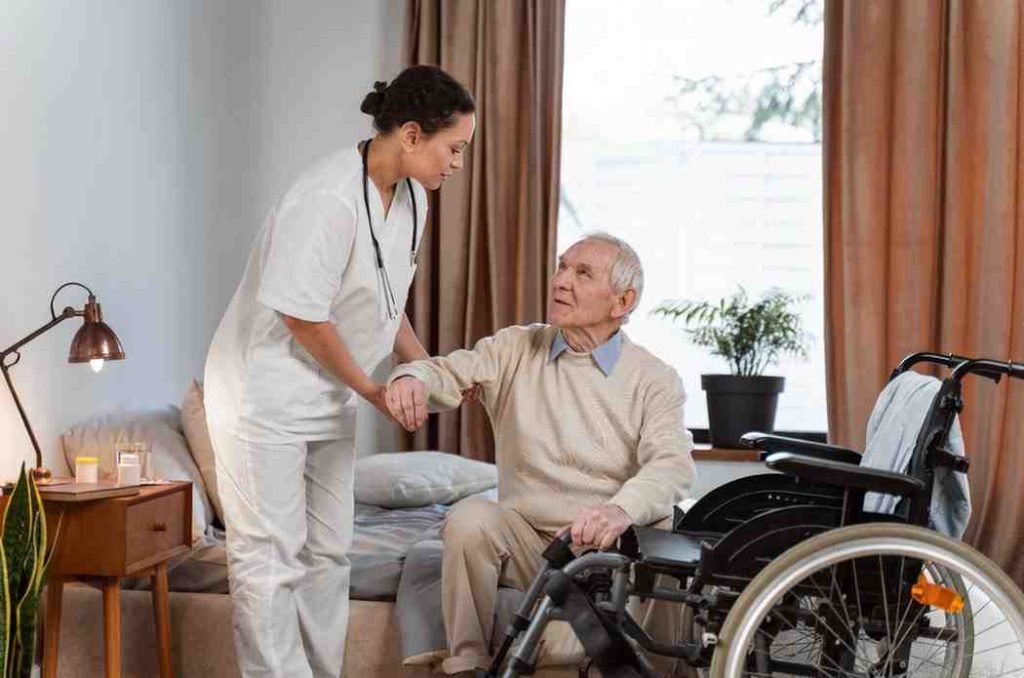
Aging often brings challenges that affect daily living, health management, and overall quality of life. Seniors may face mobility limitations, chronic illnesses, and social isolation, which can compromise both physical and emotional well-being. Balancing independence with safety and health needs becomes a priority for many older adults and their families. At-home healthcare offers a solution that combines professional oversight with the comfort of familiar surroundings.
Professional in-home care services in Old Bridge play a vital role in bridging the gap between hospital care and independent living. Skilled caregivers provide personalized support, from medication management and mobility assistance to companionship and coordination with healthcare providers. This approach not only reduces hospital readmissions but also empowers seniors to maintain routines and live meaningfully in their own homes.
The Role of At-Home Healthcare
At-home healthcare encompasses a range of services tailored to meet the needs of seniors. These services often include:
- Medical Support: Administering medications, monitoring vital signs, and assisting with chronic conditions.
- Daily Living Assistance: Helping with bathing, dressing, meal preparation, and mobility.
- Emotional and Social Support: Providing companionship, encouraging activities, and reducing isolation.
- Rehabilitation Assistance: Supporting physical, occupational, or speech therapy as prescribed by healthcare professionals.
- Safety Oversight: Reducing fall risks, maintaining home safety, and monitoring health changes.
By offering this multifaceted support, at-home healthcare strengthens seniors’ independence while ensuring their needs are met.
Benefits of At-Home Care
Seniors and families experience numerous advantages when integrating at-home healthcare:
- Personalized Attention: Care is tailored to individual needs, health status, and preferences.
- Consistency of Care: Regular caregivers build relationships that enhance trust and emotional well-being.
- Reduced Hospital Readmissions: Continuous monitoring and timely intervention prevent complications.
- Comfort of Home: Familiar surroundings reduce stress and promote mental health.
- Flexibility: Services can be adjusted as needs change, ensuring appropriate support at every stage.
These benefits demonstrate how in-home healthcare provides more than basic care—it creates an environment conducive to health, independence, and fulfillment.
Supporting Physical Health
Physical health is a key focus of at-home care. Caregivers assist seniors in maintaining strength, mobility, and overall wellness:
- Exercise and Mobility: Tailored routines improve balance, endurance, and flexibility.
- Medication Management: Ensuring timely administration of medications for chronic conditions.
- Nutrition and Hydration: Meal preparation and monitoring intake support energy and immune function.
- Chronic Disease Monitoring: Tracking symptoms and communicating changes to healthcare providers.
Physical support combined with professional oversight helps seniors remain active and reduces risks associated with immobility.
Promoting Cognitive Health
Cognitive engagement is essential for maintaining mental sharpness and emotional resilience:
- Mental Stimulation Activities: Puzzles, reading, and memory exercises strengthen cognitive abilities.
- Social Interaction: Companionship encourages conversation and emotional expression.
- Creative Outlets: Art, music, or crafts foster creativity and reduce stress.
- Structured Routine: Predictable daily schedules support cognitive organization and reduce confusion.
Consistent cognitive engagement in a supportive environment preserves mental acuity and enriches daily life.
Emotional and Social Benefits
Seniors often face loneliness and social isolation, which can lead to depression and physical decline. At-home healthcare addresses these risks by:
- Providing regular companionship and emotional support
- Encouraging participation in hobbies, virtual events, or social groups
- Facilitating family communication through video calls or coordinated visits
- Offering empathetic listening and active engagement in daily activities
Emotional support enhances resilience and ensures seniors maintain a positive outlook.
Safety and Risk Reduction
A critical element of at-home healthcare is maintaining a safe environment:
- Fall Prevention: Removing hazards, installing grab bars, and ensuring adequate lighting
- Medication Safety: Organizing and monitoring medications to prevent errors
- Emergency Preparedness: Quick response systems and monitoring for sudden health changes
- Home Adaptations: Adjusting furniture and living spaces to accommodate mobility limitations
Reducing risks enables seniors to remain in their homes confidently and safely.
Enhancing Quality of Life
At-home healthcare emphasizes holistic well-being, combining physical, cognitive, and emotional support:
- Encouraging engagement in meaningful activities
- Supporting independence and autonomy
- Facilitating access to community and healthcare resources
- Creating personalized routines that reflect individual interests and abilities
This integrated approach enhances quality of life and allows seniors to age with dignity.
Collaboration With Healthcare Providers
Caregivers act as a bridge between seniors and healthcare professionals:
- Communicating observations about health changes or symptoms
- Coordinating appointments and treatment plans
- Reinforcing therapy exercises or dietary guidelines
- Providing documentation for physicians and nurses
This collaboration ensures seamless care and early intervention when health concerns arise.
Technology Integration
Technology complements in-home care to improve monitoring and communication:
- Health Tracking Devices: Monitor vital signs, medication schedules, or activity levels.
- Telehealth Services: Facilitate remote consultations with medical professionals.
- Emergency Alerts: Ensure rapid response in case of falls or sudden health changes.
- Cognitive Games and Learning Platforms: Support mental stimulation and engagement.
Using technology enhances safety, convenience, and the effectiveness of care.
Daily Structure and Routine
Structured routines help seniors maintain independence and reduce stress:
- Morning: Medication, light exercise, and a nutritious breakfast
- Midday: Cognitive exercises, social interaction, or therapy sessions
- Afternoon: Meal preparation, hobbies, or gentle walks
- Evening: Medication, relaxation, and reflection activities
Consistent routines provide predictability, supporting both physical and emotional stability.
Addressing Chronic Conditions
Seniors with chronic conditions such as diabetes, COPD, or arthritis benefit from caregiver support:
- Monitoring symptoms and reporting changes promptly
- Assisting with treatment adherence and lifestyle adjustments
- Encouraging safe physical activity and pain management
- Supporting nutrition and hydration tailored to specific conditions
Proactive management prevents complications and improves long-term health outcomes.
Encouraging Independence
Effective at-home care balances assistance with independence:
- Assisting Only When Necessary: Encouraging seniors to perform tasks within their abilities
- Empowering Decision-Making: Involving seniors in choices about their care and routines
- Providing Safe Autonomy: Maintaining safety while allowing freedom to move and act
- Building Confidence: Supporting achievements and reinforcing capabilities
This approach preserves dignity and promotes self-reliance while ensuring safety.
Emotional Resilience Through Companionship
Caregivers provide more than physical support—they foster emotional resilience:
- Listening to concerns and providing reassurance
- Offering social engagement through shared activities
- Encouraging connections with family and community
- Supporting coping strategies for stress or health challenges
Companionship helps seniors navigate emotional challenges and enhances life satisfaction.
Planning for Long-Term Care
At-home healthcare can be adjusted as needs change over time:
- The frequency of visits can be increased or decreased according to health status
- New services can be added, such as rehabilitation support or advanced medical monitoring
- Care plans can be reviewed with healthcare providers for continued alignment with health goals
- Emotional and social support strategies can evolve to match changing needs
This flexibility ensures ongoing support that adapts to the senior’s lifestyle and health requirements.
Cost and Accessibility Considerations
While in-home care involves financial investment, it can offset other costs:
- Reducing hospital readmissions and emergency visits
- Minimizing long-term care facility stays
- Supporting health maintenance that prevents costly complications
- Offering flexible scheduling to suit family budgets and needs
Accessible at-home care allows seniors to maintain independence while receiving professional support.
Creating Meaningful Engagement
Daily interactions with caregivers can include:
- Reading together or discussing current events
- Participating in hobbies, games, or crafts
- Planning small outings or nature walks
- Celebrating milestones, birthdays, or achievements
Meaningful engagement strengthens mental and emotional health while enhancing life satisfaction.
Conclusion
At-home healthcare bridges the gap between hospital care and independent living, ensuring seniors receive personalized support in the comfort of their homes. Professional in-home care services in Old Bridge provide skilled assistance, emotional support, safety monitoring, and coordination with healthcare providers. By combining medical oversight, daily living assistance, cognitive engagement, and social connection, at-home healthcare empowers seniors to maintain independence, improve health outcomes, and enjoy fulfilling, intentional lives.