
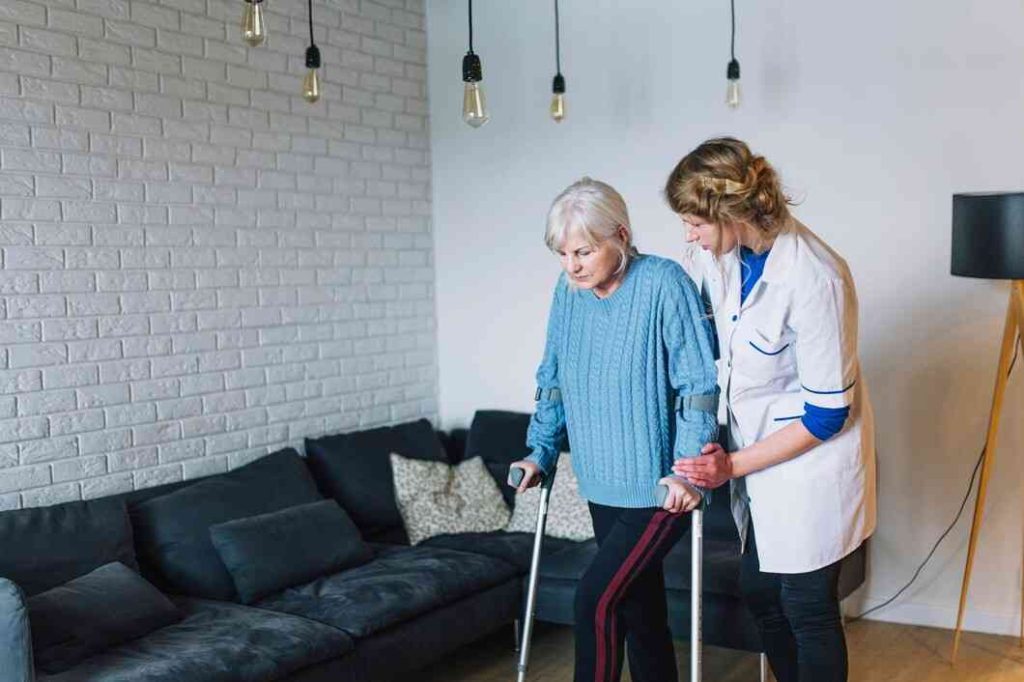
Choosing care for an aging parent, a recovering loved one, or someone living with long-term health challenges can feel overwhelming. The terminology alone often confuses. “Home health care” and “in-home care” are frequently used as if they mean the same thing, yet they serve very different purposes. Making the right choice requires clarity, not assumptions.
Families often reach this decision point during emotionally charged moments—after a hospital discharge, during a decline in mobility, or when daily tasks begin to feel unmanageable. In some cases, people first encounter professional in-home care services as a recommendation rather than a personal choice. Knowing how these options differ can reduce stress, improve outcomes, and ensure care truly fits the individual rather than the situation alone.
Why the Distinction Matters More Than Most People Realize?
At a glance, both types of care happen at home. That similarity can make them seem interchangeable, but they are designed for different needs. One focuses on medical treatment, while the other supports daily living and quality of life.
When families misunderstand the difference, they may choose care that feels mismatched—either too clinical or not supportive enough. Clear expectations help prevent frustration, unnecessary costs, and gaps in care.
Defining Home Health Care in Practical Terms
Home health care centers on medical needs delivered in a home setting. It is often prescribed by a physician and tied directly to a diagnosis, recovery plan, or ongoing clinical condition.
This type of care typically involves licensed medical professionals and follows a structured treatment plan. Visits are often short and task-focused rather than continuous.
Common elements of home health care include:
- Skilled nursing services
- Wound care and post-surgical monitoring
- Physical, occupational, or speech therapy
- Medication management related to treatment
- Monitoring of vital signs and symptoms
Home health care is often temporary, designed to address a specific medical goal such as recovery after surgery or stabilization after illness.
What In-Home Care Looks Like Day to Day?
In-home care focuses on daily living rather than medical treatment. It supports individuals who may be medically stable but need help managing everyday tasks safely and comfortably.
Caregivers in this setting provide hands-on assistance that promotes independence and dignity. The care is flexible, relationship-based, and often long-term.
In-home care commonly supports:
- Bathing, grooming, and dressing
- Meal preparation and hydration
- Light housekeeping and laundry
- Companionship and emotional support
- Mobility assistance and fall prevention
This type of care adapts to lifestyle, preferences, and routines, making it feel less clinical and more personal.
Medical Oversight vs. Daily Support
One of the clearest differences lies in oversight. Home health care operates under medical direction, often with documentation requirements and defined treatment goals. In-home care, by contrast, centers on comfort, safety, and daily functioning rather than clinical outcomes.
Neither approach is better or worse. They simply serve different roles. Some individuals benefit from both at different times—or even simultaneously.
How Duration and Frequency Differ?
Home health care is typically short-term. Visits may occur a few times per week and last less than an hour. Once medical goals are met, services often end.
In-home care is usually ongoing. It can range from a few hours a week to round-the-clock support, depending on need. Continuity is a key feature, allowing caregivers to become familiar faces rather than rotating professionals.
This difference often shapes how emotionally supportive the care feels.
Who Benefits Most From Home Health Care?
Home health care is best suited for individuals who:
- Are you recovering from surgery or hospitalization
- Require skilled medical monitoring
- Need therapy to regain function
- Have specific, time-limited medical goals
It works well when medical improvement is the primary focus and daily tasks are otherwise manageable.
Who Benefits Most From In-Home Care?
In-home care is ideal for people who:
- Struggle with daily activities
- Want to remain at home safely
- Experience cognitive or mobility changes
- Need companionship and routine support
This approach prioritizes comfort, familiarity, and emotional well-being alongside safety.
The Emotional Experience of Each Care Type
Home health care can feel reassuring during medical recovery, yet it often remains task-driven. Interactions may feel brief and clinical due to time constraints.
In-home care tends to foster deeper relationships. Caregivers spend extended time with clients, often becoming trusted companions. This emotional continuity can significantly impact mood and overall quality of life.
Family Involvement and Expectations
With home health care, families often manage daily tasks outside of medical visits. This can place unexpected responsibility on loved ones once skilled professionals leave.
In-home care often reduces this burden. Caregivers assist with routine needs, allowing families to focus on connection rather than constant supervision.
Understanding this distinction helps families plan realistically.
Cost Structures and Payment Differences
Costs vary widely depending on location, duration, and level of care. The way services are paid for also differs.
Home health care may be partially covered by insurance when medically necessary and prescribed. In-home care is often paid privately, though coverage options vary.
While cost matters, value matters more. The right care often prevents hospital readmissions, caregiver burnout, and safety risks.
Flexibility and Adaptability
Home health care follows a care plan with defined parameters. Changes usually require medical authorization.
In-home care adapts more easily. Schedules, tasks, and focus can shift as needs change, without waiting for formal approvals.
This flexibility often makes in-home care feel more responsive to real life.
When Both Types of Care Work Together
Many people assume they must choose one or the other. In reality, combining both can be effective.
For example:
- Home health care supports medical recovery
- In-home care assists with daily living
- Together, they create continuity
This layered approach often provides the most balanced support.
Common Misconceptions That Cause Confusion
Several myths persist around these care options:
- Home health care covers daily living needs
- In-home care provides medical treatment
- That one replaces family involvement entirely
Clarifying these points helps families avoid mismatched expectations.
Decision-Making Based on Real Needs, Not Labels
The most effective care decisions start with an honest assessment. Consider physical ability, cognitive changes, emotional well-being, and family availability.
Questions that help clarify needs include:
- What tasks feel hardest right now?
- Is medical treatment ongoing or stable?
- How much supervision is required?
- What brings comfort and routine?
Answers often point clearly toward one type of care—or a combination.
The Role of Safety in Both Care Models
Safety looks different depending on care type. Home health care focuses on medical safety, while in-home care emphasizes environmental and daily safety.
Both contribute to overall well-being, but in different ways. Falls, missed meals, and isolation often fall outside medical care yet deeply affect health.
Quality of Life as a Central Factor
Health is not only measured by vital signs. Comfort, dignity, social connection, and emotional stability matter deeply.
In-home care often plays a stronger role here, while home health care addresses specific clinical goals. Recognizing both aspects helps families support the whole person.
Adjusting Care as Life Changes
Needs evolve. Someone recovering from surgery may start with home health care, then transition to in-home care as medical needs decrease, but daily support remains necessary.
Viewing care as flexible rather than fixed allows smoother transitions and fewer disruptions.
Communication Makes the Difference
Clear communication between families, caregivers, and medical providers ensures continuity. Sharing observations, changes, and concerns helps prevent gaps in care.
Even when services differ, coordination strengthens outcomes.
Avoiding Crisis-Based Decisions
Many families wait until a crisis forces action. Planning earlier allows for thoughtful choices rather than rushed decisions.
Knowing the difference between home health care and in-home care before an urgency arises provides peace of mind.
Choosing With Confidence, Not Confusion
The right care choice aligns with actual needs, not assumptions. When families understand what each option offers, decisions feel clearer and less stressful.
Care at home can take many forms. Matching the form to the need makes all the difference.