
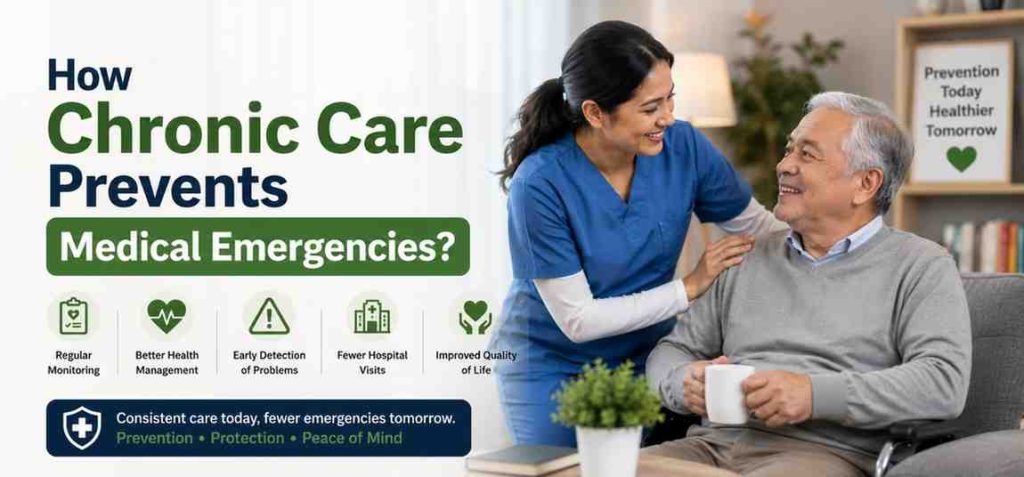
Medical emergencies rarely appear without warning. In many cases, subtle symptoms, ignored health changes, inconsistent treatment routines, or unmanaged chronic illnesses contribute to sudden health crises that require urgent medical attention.
Chronic condition management plays a critical role in reducing these emergencies by creating structured systems that support prevention, monitoring, and early intervention.
People living with chronic illnesses often face ongoing challenges involving medication schedules, lifestyle changes, physical symptoms, emotional stress, and regular medical appointments. Conditions such as diabetes, heart disease, respiratory disorders, arthritis, kidney disease, and hypertension require continuous attention because even minor health changes can escalate rapidly without proper oversight.
Early Detection Stops Problems From Escalating
Many chronic conditions worsen gradually before symptoms become severe enough to demand emergency treatment. Patients may ignore mild warning signs or assume temporary discomfort will improve without medical attention. Unfortunately, untreated symptoms often progress into serious complications.
Regular monitoring helps identify changes such as:
- Rising blood pressure
- Increased blood sugar levels
- Swelling or fluid retention
- Breathing difficulties
- Irregular heart rhythms
- Persistent fatigue
Healthcare professionals can respond quickly when these warning signs appear. Early intervention often prevents complications from becoming dangerous or life-threatening.
Patients who receive regular medical oversight frequently avoid emergencies because healthcare providers identify risks before symptoms become severe. Preventive action remains far more effective than waiting until health problems require urgent care.
Consistent monitoring also helps patients recognize when symptoms require immediate attention rather than delay.
Medication Management Reduces Medical Risks
Many chronic illnesses require long-term medication routines involving multiple prescriptions, dosage schedules, and treatment adjustments. Medication errors or inconsistent use can trigger serious medical emergencies, especially among older adults or patients managing several conditions simultaneously.
Structured care helps reduce medication-related risks by monitoring:
- Dosage accuracy
- Side effects
- Drug interactions
- Missed medications
- Treatment effectiveness
- Changes in symptoms
Healthcare professionals review medication routines regularly to ensure treatments continue working safely and effectively.
Certain chronic conditions require rapid treatment adjustments when laboratory results or symptoms change. Without ongoing supervision, patients may continue ineffective or unsafe medication routines that increase emergency risks.
Organized medication management improves consistency while reducing confusion and preventable complications.
Routine Monitoring Supports Faster Response
Chronic illnesses often produce symptoms that fluctuate depending on stress, diet, sleep, activity levels, infections, or treatment consistency. Regular monitoring helps healthcare providers respond quickly when symptoms begin changing unexpectedly.
Routine monitoring may include:
- Blood pressure tracking
- Glucose monitoring
- Weight measurements
- Oxygen level checks
- Heart rate observation
- Laboratory testing
Tracking these health indicators helps identify patterns that may signal worsening conditions. Healthcare providers can then adjust treatment plans before emergencies develop.
Faster response times often reduce hospitalization rates and improve recovery outcomes. Patients also gain greater awareness regarding how daily habits affect their condition.
Consistent monitoring creates stronger communication between healthcare teams and patients, improving long-term stability and safety.
Preventive Care Strengthens Long-Term Stability
Preventive healthcare forms the foundation of effective chronic condition management. Instead of waiting for medical crises to occur, healthcare professionals focus on maintaining stability through regular evaluations and structured treatment plans.
Preventive care strategies often involve:
- Routine screenings
- Vaccinations
- Lifestyle counseling
- Medication reviews
- Nutritional support
- Physical activity planning
Preventive care reduces emergency risks by identifying potential problems before they become severe. Healthcare providers can address concerns early while supporting healthier daily habits that strengthen overall health.
Patients who participate consistently in preventive care often maintain stronger symptom control and fewer unexpected medical complications.
Long-term stability depends on organized routines, reliable healthcare oversight, and early intervention strategies.
Better Symptom Control Helps Avoid Crises
Uncontrolled symptoms frequently contribute to emergency medical situations. Pain, breathing difficulties, blood sugar fluctuations, or high blood pressure may worsen rapidly when chronic conditions remain unmanaged.
Healthcare professionals help patients control symptoms more effectively through:
- Treatment adjustments
- Routine evaluations
- Lifestyle recommendations
- Medication management
- Physical monitoring
- Follow-up appointments
Better symptom control improves physical comfort while reducing risks involving severe flare-ups or dangerous complications.
Patients who maintain stable symptoms often experience fewer emergency room visits and greater independence during daily activities.
Structured care also helps patients recognize early warning signs and seek medical attention before emergencies occur.
Patient Education Improves Emergency Prevention
Many emergencies occur because patients fail to recognize worsening symptoms or misunderstand treatment instructions. Chronic condition management includes education that helps individuals make safer decisions regarding medications, symptoms, and daily health routines.
Healthcare professionals often teach patients how to:
- Recognize warning signs
- Follow medication schedules
- Monitor symptoms accurately
- Maintain healthier habits
- Respond during symptom changes
- Seek timely medical attention
Clear information improves confidence and encourages stronger participation in healthcare management.
Patients who recognize early signs of worsening illness often seek treatment sooner, reducing the likelihood of severe complications.
Education also helps families provide safer support for loved ones managing chronic conditions at home.
Emotional Stability Supports Physical Health
Stress and emotional exhaustion can worsen many chronic illnesses. Anxiety, depression, frustration, and isolation often affect treatment consistency, sleep quality, physical activity, and overall health behavior.
Structured chronic care supports emotional well-being through organized routines, regular communication, and professional reassurance.
Emotional support may improve:
- Treatment adherence
- Motivation
- Sleep habits
- Stress management
- Communication
- Lifestyle consistency
Patients frequently feel safer and more confident when healthcare professionals monitor their condition regularly.
Improved emotional stability also strengthens physical resilience and reduces health disruptions related to unmanaged stress or anxiety.
Preventing emergencies requires attention to emotional health as well as physical symptoms.
Coordinated Healthcare Reduces Confusion
Many chronic illness patients receive treatment from multiple healthcare providers, including specialists, therapists, and primary care physicians. Without coordination, communication gaps may lead to conflicting instructions, medication errors, or missed warning signs.
Coordinated care improves safety by organizing:
- Medical records
- Treatment plans
- Medication updates
- Appointment schedules
- Laboratory results
- Follow-up recommendations
Healthcare providers who communicate effectively can identify risks earlier and prevent treatment complications.
Patients also benefit from clearer instructions and more organized healthcare routines. Reduced confusion improves treatment consistency and lowers emergency risks.
Strong coordination remains essential for individuals managing complex or multiple chronic conditions.
Chronic Care Helps Older Adults Stay Safer
Older adults often face increased risks involving chronic illness complications because aging affects mobility, memory, physical strength, and medication tolerance. Ongoing professional care provides important protection against emergencies among older populations.
Healthcare professionals help older adults manage concerns such as:
- Fall risks
- Medication interactions
- Nutritional deficiencies
- Dehydration
- Cognitive decline
- Reduced mobility
Structured monitoring allows providers to identify changes before conditions become dangerous.
Families also gain reassurance when older relatives receive consistent professional oversight. Organized support reduces caregiving pressure while improving long-term safety.
Preventive chronic care helps many older adults maintain independence longer while avoiding unnecessary hospitalization.
Lifestyle Management Supports Emergency Prevention
Daily habits strongly influence chronic health conditions. Poor nutrition, inactivity, sleep deprivation, smoking, dehydration, and unmanaged stress often increase the risk of medical emergencies.
Chronic care programs encourage healthier routines through personalized support and ongoing monitoring.
Lifestyle management may include:
- Nutritional planning
- Exercise recommendations
- Stress reduction techniques
- Sleep improvement strategies
- Weight management
- Smoking cessation support
Healthier routines improve symptom control while reducing complications involving cardiovascular disease, respiratory disorders, and metabolic conditions.
Patients who maintain consistent lifestyle habits often experience stronger physical stability and fewer emergencies.
Structured support helps individuals sustain healthier behaviors over long periods rather than relying on temporary changes.
Technology Improves Emergency Prevention
Modern healthcare technology supports chronic condition management by improving monitoring, communication, and treatment consistency. Many patients use digital tools that help track important health information more accurately.
Helpful technology may include:
- Blood glucose monitors
- Blood pressure devices
- Heart rhythm trackers
- Medication reminder systems
- Telehealth services
- Digital symptom journals
Remote monitoring allows healthcare professionals to respond more quickly when concerning changes appear.
Technology also improves access to care for patients with transportation difficulties or mobility limitations. Faster communication helps reduce delays that may contribute to emergencies.
Digital health tools work most effectively when combined with consistent professional supervision and organized treatment planning.
Family Involvement Strengthens Prevention Efforts
Families often play a major role in helping loved ones manage chronic illnesses safely. However, caregiving responsibilities can become overwhelming without structured professional support.
Healthcare teams help families prevent emergencies by providing:
- Clear treatment instructions
- Symptom education
- Medication organization
- Appointment coordination
- Emotional support strategies
- Preventive care planning
Family involvement improves consistency and helps patients maintain healthier routines.
Relatives who recognize warning signs early can encourage timely medical attention before emergencies develop.
Collaborative care creates stronger support systems that protect both patients and caregivers from avoidable crises.
The Value of Structured Long-Term Support
Emergency prevention requires more than occasional medical treatment. Chronic illnesses demand consistent attention, organized monitoring, and reliable professional oversight that adapts to changing health conditions.
The phrase chronic condition management service reflects structured healthcare support designed to improve symptom control, prevent complications, coordinate treatment, and strengthen long-term stability for individuals living with ongoing medical conditions.
Long-term support systems create safer routines by focusing on prevention rather than crisis response alone. Healthcare professionals help patients manage symptoms, follow treatment plans, and maintain healthier lifestyles that reduce emergency risks.
Stable care routines improve communication, emotional reassurance, and overall healthcare quality for patients and families alike.
Conclusion
Chronic condition management plays a vital role in preventing medical emergencies by supporting early intervention, symptom control, medication safety, and preventive healthcare. Consistent monitoring allows healthcare professionals to identify warning signs before conditions become severe or life-threatening.
Structured care also improves emotional stability, treatment adherence, and healthier lifestyle habits that strengthen long-term health outcomes. Patients who receive regular professional support often experience fewer hospitalizations, reduced emergency room visits, and greater independence during daily life.
Families benefit from improved organization, reduced caregiving stress, and stronger communication with healthcare providers. Coordinated care creates safer environments while helping patients maintain stable routines and healthier habits.
Emergency prevention depends heavily on consistency, awareness, and proactive healthcare management. Chronic care systems help individuals manage long-term illnesses more safely while protecting physical health, emotional well-being, and overall quality of life.
FAQs
How does chronic condition management prevent emergencies?
Chronic condition management prevents emergencies through regular monitoring, early intervention, medication oversight, and preventive healthcare. Healthcare professionals identify warning signs before complications become severe. Structured care also improves symptom control and encourages healthier routines that reduce risks involving hospitalization or urgent medical treatment.
Why is early detection important for chronic illnesses?
Many chronic illnesses worsen gradually before symptoms become dangerous. Early detection allows healthcare providers to adjust treatment plans before serious complications develop. Prompt intervention often prevents hospitalization, permanent damage, or life-threatening emergencies related to unmanaged symptoms or delayed medical attention.
How does medication management improve safety?
Professional medication oversight reduces risks involving missed doses, side effects, drug interactions, or incorrect treatment routines. Healthcare providers review medications regularly and adjust dosages when necessary. Organized medication management improves treatment consistency while helping patients avoid preventable medical emergencies caused by medication errors.
Can symptom monitoring reduce hospital visits?
Yes. Regular symptom monitoring helps healthcare providers identify worsening conditions before emergencies occur. Tracking changes in blood pressure, glucose levels, breathing patterns, or pain allows faster treatment adjustments that often prevent hospitalization or emergency room visits related to uncontrolled chronic illness symptoms.
Why does preventive care matter in chronic illness management?
Preventive care focuses on maintaining stability and reducing complications before health problems become severe. Routine screenings, laboratory testing, lifestyle support, and regular medical evaluations help healthcare providers identify risks early while encouraging healthier long-term habits and safer treatment routines.
How does emotional health affect chronic illness emergencies?
Stress, anxiety, and emotional exhaustion can worsen chronic conditions by affecting sleep, treatment consistency, and physical health. Emotional support improves motivation, communication, and healthier routines. Better emotional stability often strengthens physical resilience and reduces medical complications related to unmanaged stress.
What role do families play in emergency prevention?
Families often help monitor symptoms, organize medications, encourage healthier habits, and coordinate medical appointments. Relatives who recognize warning signs early can support timely medical intervention. Professional healthcare teams also provide families with education and guidance that improves long-term safety and stability.
Can technology help prevent chronic illness emergencies?
Yes. Devices such as blood pressure monitors, glucose trackers, telehealth systems, and medication reminder apps improve monitoring accuracy and communication. Technology helps healthcare providers respond more quickly to concerning health changes while supporting stronger treatment consistency and preventive care management.
Why do older adults need structured chronic care?
Older adults often manage multiple chronic illnesses simultaneously, increasing risks involving medication interactions, falls, dehydration, and physical decline. Structured care improves monitoring, treatment coordination, and preventive support while helping older individuals maintain greater independence and avoid unnecessary medical emergencies.
How does lifestyle management reduce emergency risks?
Healthy habits strongly influence chronic illness stability. Proper nutrition, regular exercise, stress management, quality sleep, and medication adherence help control symptoms and prevent complications. Structured healthcare support encourages healthier routines that reduce emergencies and improve long-term physical well-being.