
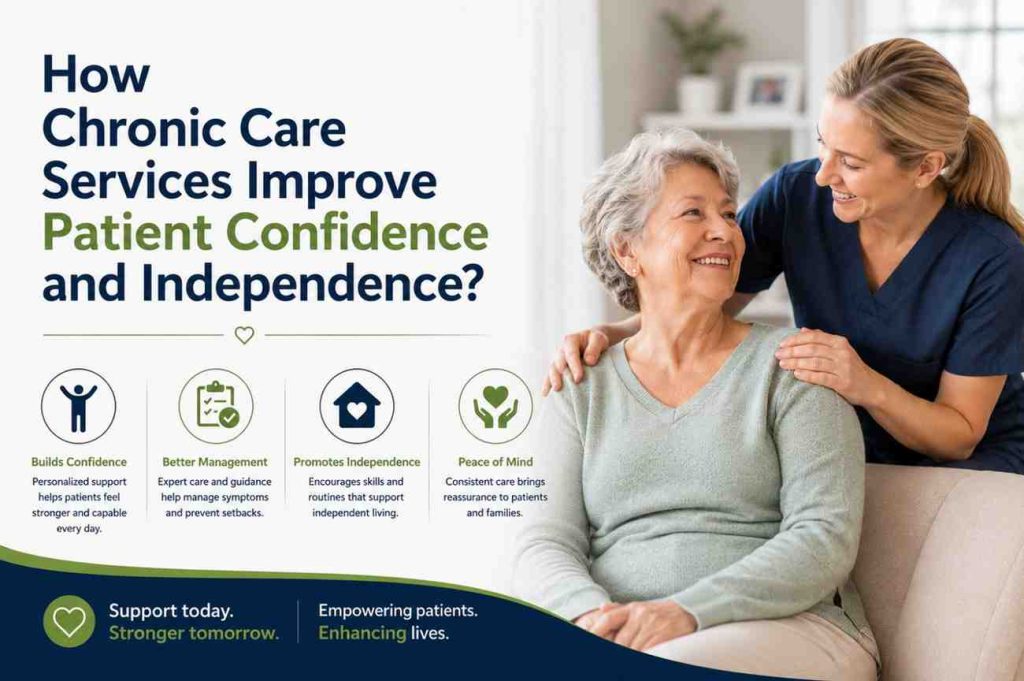
Living with a chronic illness often requires continuous attention to health, daily routines, and medical care. While treatment plans remain essential, chronic care services provide additional support that helps individuals manage their conditions with greater confidence. These services encourage informed decision-making, healthier habits, and improved communication with healthcare professionals. Moreover, consistent support promotes independence by helping people develop practical skills for managing long-term health challenges. Small improvements maintained over time often lead to greater stability, improved well-being, and a higher quality of life.
Why do Chronic Care Services Matter?
Chronic illnesses usually require ongoing monitoring rather than short-term treatment. Consequently, healthcare support extends beyond occasional medical appointments and includes continuous management that addresses changing health needs.
Chronic care services focus on helping individuals maintain daily routines, follow treatment plans, monitor symptoms, and reduce avoidable complications. Furthermore, they encourage active participation in personal health decisions instead of relying solely on emergency care.
As individuals become more involved in managing their health, they often develop stronger confidence in handling everyday responsibilities related to their condition.
Core Goals of Chronic Care Services
These services focus on several important objectives that support long-term health.
Common goals include:
- Encouraging consistent treatment adherence
- Supporting healthy lifestyle habits
- Improving symptom monitoring
- Reducing preventable complications
- Promoting patient education
- Strengthening communication with healthcare providers
- Encouraging greater independence
Together, these goals help create a more organized approach to long-term care.
How Ongoing Support Benefits Patients
Continuous support allows individuals to respond more effectively when health needs change.
Benefits often include:
- Better daily organization
- Increased confidence
- Improved treatment consistency
- Greater awareness of symptoms
- Enhanced communication
- Reduced stress related to health management
Consequently, patients become more prepared to manage daily responsibilities.
Building Confidence Through Knowledge
Confidence often grows when individuals gain a clearer understanding of their treatment plans, medications, and healthy lifestyle choices. Education forms an important part of chronic care because informed patients make better day-to-day decisions.
Rather than feeling uncertain about symptoms or treatments, individuals who receive consistent health education become more comfortable managing routine aspects of care.
Furthermore, education encourages active participation during medical appointments by helping patients ask informed questions and communicate concerns more effectively.
Important Topics Covered During Chronic Care
Educational support often includes practical health information.
Common subjects include:
- Medication schedules
- Healthy nutrition
- Physical activity
- Symptom tracking
- Blood pressure monitoring
- Blood glucose management
- Hydration
- Sleep habits
- Stress management
Each topic helps strengthen daily self-management skills.
Why Patient Education Improves Confidence
Knowledge reduces uncertainty while encouraging informed decisions.
Individuals often become more confident because they can:
- Recognize changing symptoms
- Follow treatment plans accurately
- Make healthier daily choices
- Prepare questions before appointments
- Respond appropriately to routine health concerns
Greater awareness supports more effective long-term health management.
Encouraging Independence Through Daily Self-Management
One of the most valuable aspects of chronic care services involves helping individuals manage routine health tasks independently. Small daily responsibilities gradually become familiar through consistent practice and professional support.
Moreover, independence allows patients to remain actively involved in maintaining their own well-being rather than depending entirely on others.
Self-management includes many practical activities that support better health every day.
Examples of Daily Self-Management
Patients often perform several important tasks independently.
These may include:
- Taking medications correctly
- Drinking enough water
- Preparing balanced meals
- Monitoring blood pressure
- Recording blood glucose levels
- Tracking symptoms
- Following exercise routines
- Keeping medical appointments
Together, these habits strengthen confidence while encouraging personal responsibility.
Building Healthy Daily Routines
Daily routines reduce uncertainty and improve consistency.
Helpful habits include:
- Waking at regular times
- Eating scheduled meals
- Taking medications on time
- Staying physically active
- Drinking water regularly
- Maintaining healthy sleep patterns
Consistent routines create structure that supports better long-term health.
Personalized Care Encourages Better Outcomes
Every chronic illness affects people differently. Therefore, personalized care plans remain an important part of successful long-term management.
Healthcare professionals consider medical history, physical abilities, nutritional needs, medications, and personal goals when creating individualized care strategies.
Furthermore, personalized approaches remain flexible enough to adjust as health conditions change over time.
Benefits of Individualized Care Plans
Customized care supports more effective daily management.
Advantages often include:
- Realistic health goals
- Personalized nutrition advice
- Appropriate activity recommendations
- Medication reviews
- Individual symptom monitoring
- Better treatment coordination
Consequently, patients receive support that matches their unique health circumstances.
The Role of Healthy Lifestyle Habits
Lifestyle choices influence nearly every aspect of chronic illness management. Healthy routines support physical strength, emotional well-being, and overall quality of life.
Balanced nutrition, regular physical activity, proper hydration, quality sleep, and stress management all contribute to improved daily functioning.
Rather than focusing on dramatic lifestyle changes, chronic care services encourage gradual improvements that become sustainable over time.
Healthy Habits That Support Independence
Simple lifestyle practices help individuals remain active and confident.
Examples include:
- Choosing balanced meals
- Drinking adequate fluids
- Walking regularly
- Stretching each day
- Sleeping consistently
- Managing stress effectively
- Avoiding tobacco products
- Limiting excessive alcohol intake when appropriate
These healthy choices complement medical treatment while supporting long-term wellness.
Monitoring Health Builds Greater Confidence
Regular health monitoring helps patients recognize patterns, evaluate treatment effectiveness, and identify concerns early. Consequently, monitoring becomes an important part of maintaining stability.
Simple records also improve communication during medical appointments because healthcare professionals receive more accurate information about symptom changes.
Patients commonly monitor:
- Blood pressure
- Blood sugar
- Weight
- Physical activity
- Sleep quality
- Medication schedules
- Fluid intake
- Symptoms
Maintaining these records encourages informed decision-making while strengthening confidence in daily health management.
Medication Management Strengthens Daily Independence
Managing medications correctly remains one of the most important responsibilities for people living with chronic illnesses. Taking prescriptions according to the recommended schedule supports treatment effectiveness while reducing unnecessary health risks. Consequently, organized medication routines help patients feel more confident about managing their condition.
Moreover, consistent medication management reduces confusion, especially when multiple prescriptions require different schedules. Developing reliable habits encourages greater independence and minimizes the possibility of missed or incorrect doses.
Simple organizational tools make this responsibility much easier while improving daily consistency.
Practical Medication Management Tips
Creating an organized system helps simplify medication routines.
Helpful strategies include:
- Use a weekly pill organizer.
- Set reminders on a mobile device.
- Keep an updated medication list.
- Refill prescriptions before supplies become low.
- Store medications safely.
- Follow dosage instructions carefully.
- Review medications during routine healthcare visits.
These practical habits support safe treatment while promoting confidence.
Emotional Well-Being Plays an Important Role
Physical health and emotional health influence one another every day. Therefore, chronic care services encourage individuals to care for both aspects equally. Positive emotional health helps people remain motivated, maintain healthy routines, and cope with ongoing medical challenges more effectively.
Furthermore, emotional support reduces feelings of isolation that sometimes accompany long-term illnesses. Maintaining social connections and participating in meaningful activities strengthen overall well-being while encouraging greater self-confidence.
Healthy emotional habits contribute to better daily decision-making and long-term resilience.
Supporting Emotional Wellness
Daily practices can improve emotional balance without becoming overwhelming.
Helpful activities include:
- Spending time with supportive family members.
- Staying connected with friends.
- Participating in enjoyable hobbies.
- Practicing relaxation techniques.
- Maintaining realistic expectations.
- Celebrating small health achievements.
- Seeking professional support when appropriate.
Consistent emotional care complements physical health management.
Family Support Encourages Greater Confidence
Supportive family members and caregivers often play a valuable role in chronic illness management. Practical assistance reduces stress while helping individuals remain consistent with treatment plans.
However, encouraging independence remains equally important. Rather than completing every task, family members can motivate patients to participate actively in their own care whenever possible.
Positive encouragement often strengthens confidence while promoting healthier daily habits.
Ways Families Can Offer Support
Family involvement may include several helpful responsibilities.
Examples include:
- Preparing nutritious meals.
- Providing transportation to appointments.
- Helping organize medications.
- Offering emotional encouragement.
- Participating in healthy activities.
- Assisting with grocery shopping.
- Supporting healthy lifestyle goals.
Working together creates a supportive environment that encourages independence.
Preventive Care Helps Maintain Long-Term Stability
Preventive healthcare focuses on maintaining wellness before complications develop. Routine appointments allow healthcare professionals to evaluate progress, adjust treatment plans, and identify concerns early.
Moreover, preventive care encourages patients to remain actively involved in protecting their health instead of waiting until symptoms worsen. Regular monitoring often leads to more timely interventions and improved long-term outcomes.
Preventive services complement daily self-care while strengthening overall chronic illness management.
Important Preventive Health Activities
Several routine practices support long-term health.
These include:
- Annual physical examinations
- Blood pressure monitoring
- Blood glucose testing when appropriate
- Cholesterol screening
- Vision examinations
- Dental checkups
- Recommended vaccinations
- Routine laboratory testing
Consistent preventive care helps maintain health while reducing avoidable complications.
Technology Makes Chronic Care Easier
Digital tools continue to simplify many aspects of chronic illness management. Mobile applications, wearable devices, and electronic reminders help patients organize important health information while encouraging consistent daily habits.
Additionally, technology allows individuals to monitor symptoms, track medications, and maintain health records more efficiently. These resources support informed healthcare discussions and encourage greater confidence in managing daily responsibilities.
Technology works best when combined with healthy routines and regular medical follow-up.
Helpful Digital Health Resources
Many digital tools support everyday health management.
Popular options include:
- Medication reminder applications
- Fitness tracking devices
- Hydration reminder apps
- Blood pressure monitors
- Blood glucose tracking systems
- Food diary applications
- Appointment scheduling tools
Using these resources consistently improves organization and supports healthier habits.
Communication Strengthens Healthcare Partnerships
Clear communication between patients and healthcare professionals remains essential for successful chronic illness management. Asking questions, reporting symptoms accurately, and discussing treatment concerns help healthcare teams provide more effective support.
Furthermore, regular communication builds trust while encouraging shared decision-making. Patients who participate actively in conversations often feel more confident managing their health outside medical appointments.
Preparing for appointments also improves the quality of healthcare discussions.
Tips for Better Healthcare Communication
Simple preparation helps patients communicate more effectively.
Helpful ideas include:
- Write down questions before appointments.
- Keep symptom records.
- Bring an updated medication list.
- Report new symptoms promptly.
- Discuss treatment concerns honestly.
- Ask for clarification when instructions seem unclear.
Open communication supports informed decisions and better long-term care.
Setting Achievable Goals Encourages Progress
Meaningful progress develops through realistic goals rather than dramatic changes. Small improvements become easier to maintain and gradually strengthen healthy routines.
Patients often gain confidence as they accomplish achievable objectives. Consequently, each success encourages continued participation in self-care activities and long-term treatment plans.
For individuals participating in chronic condition management in Monroe Township, setting practical health goals alongside regular medical follow-up creates a structured approach that supports confidence, independence, and lasting wellness. Gradual progress remains more sustainable than attempting multiple major lifestyle changes at once.
Examples of Realistic Health Goals
Practical goals help individuals remain motivated.
Examples include:
- Drinking more water each day
- Walking several times each week
- Eating vegetables with daily meals
- Sleeping on a regular schedule
- Recording health measurements consistently
- Preparing healthy meals ahead of time
- Attending every scheduled medical appointment
Steady progress builds confidence while supporting greater independence.
Adapting to Changing Health Needs
Chronic illnesses may change over time, making flexibility an important part of long-term care. Symptoms, treatment plans, physical abilities, and nutritional needs can all shift as circumstances evolve. Consequently, chronic care services encourage regular reviews of health routines to ensure they continue meeting individual needs.
Adjusting daily habits does not mean abandoning established routines. Instead, thoughtful changes help maintain stability while supporting continued independence. Healthcare professionals often recommend modifications based on new symptoms, medical evaluations, or lifestyle changes.
Remaining open to adjustments allows patients to respond confidently rather than feeling overwhelmed by change. This adaptable approach supports consistent progress and encourages long-term success.
Signs That a Care Plan May Need Adjustment
Recognizing changes early helps prevent unnecessary complications.
Common indicators include:
- Increased fatigue
- New or worsening symptoms
- Difficulty completing daily activities
- Changes in appetite
- Sleep disturbances
- Unexpected weight changes
- Reduced mobility
- Medication side effects
Prompt communication with healthcare professionals supports timely changes that improve daily management.
Building Long-Term Resilience
Confidence grows through consistent practice and realistic expectations. Every healthy habit strengthens the ability to manage future challenges while maintaining independence. Moreover, resilience develops when individuals continue following healthy routines despite temporary setbacks.
Healthy eating, regular physical activity, adequate hydration, quality sleep, and effective stress management all contribute to greater resilience. In addition, supportive relationships and ongoing communication with healthcare professionals create a dependable foundation for long-term care.
Rather than seeking perfection, successful chronic illness management focuses on steady improvement. Small achievements accumulated over time often produce meaningful health benefits while encouraging continued motivation.
Daily Habits That Strengthen Resilience
Simple actions support long-term confidence and independence.
Helpful habits include:
- Following consistent daily routines
- Staying physically active when appropriate
- Eating balanced meals
- Drinking enough water
- Monitoring symptoms regularly
- Managing stress constructively
- Attending scheduled medical visits
- Maintaining social connections
Together, these habits support healthier living while reinforcing personal confidence.
Encouraging Lifelong Self-Management
Successful chronic care extends beyond medical treatment by helping individuals become active participants in their own health. Self-management promotes responsibility without creating unnecessary pressure. Consequently, patients gain valuable skills that support better decision-making throughout daily life.
Healthy routines become easier to maintain when they fit naturally into existing schedules. Likewise, celebrating gradual improvements encourages continued commitment to long-term wellness.
Education, preparation, and consistent support allow individuals to manage their health with greater confidence while preserving independence. These practical skills continue providing benefits even as health needs change over time.
Keys to Successful Long-Term Self-Management
Several principles encourage lasting success.
These include:
- Staying informed about treatment plans
- Following healthy daily routines
- Maintaining open communication
- Seeking support when needed
- Monitoring health consistently
- Remaining flexible as needs change
- Setting realistic expectations
These habits encourage lasting confidence while supporting a better quality of life.
Conclusion
Chronic care services improve patient confidence and independence by encouraging informed decisions, healthy routines, consistent monitoring, and active participation in daily health management. Personalized care, emotional support, preventive healthcare, and practical self-management skills work together to strengthen long-term well-being. Although every individual faces unique challenges, steady, healthy habits and regular professional guidance help maintain stability, promote independence, and improve overall quality of life.
FAQs
1. What are chronic care services?
Chronic care services provide ongoing support for people living with long-term health conditions. These services focus on symptom monitoring, treatment coordination, patient education, lifestyle improvements, preventive care, and regular communication with healthcare professionals to support better long-term health and daily independence.
2. How do chronic care services improve patient confidence?
They provide education, structured care plans, and continuous support that help patients manage medications, monitor symptoms, and make informed health decisions. As individuals become more familiar with daily care routines, they often feel more capable of handling their condition independently.
3. Why is patient independence important in chronic illness management?
Greater independence allows individuals to participate actively in their own care while maintaining daily routines and personal responsibilities. This involvement often improves treatment consistency, increases confidence, and supports better overall health outcomes through regular self-management.
4. How does education help patients manage chronic illnesses?
Health education provides practical information about medications, nutrition, exercise, symptom monitoring, and preventive care. Better knowledge supports informed decision-making, encourages healthy daily habits, and improves communication with healthcare professionals during routine appointments.
5. What lifestyle habits support chronic illness management?
Balanced nutrition, adequate hydration, regular physical activity, quality sleep, stress management, medication adherence, and routine medical visits all contribute to better health. Maintaining these habits consistently helps strengthen physical wellness and encourages long-term independence.
6. How can family members contribute to chronic care?
Family members can assist with meal preparation, transportation, medication organization, appointment reminders, and emotional encouragement. Their support helps reduce stress while encouraging patients to remain actively involved in their own health management whenever possible.
7. Does technology improve chronic illness management?
Yes. Mobile applications, wearable devices, medication reminders, and digital health trackers help patients organize health information, monitor symptoms, maintain treatment schedules, and communicate more effectively with healthcare professionals while supporting daily consistency.
8. Why are regular medical appointments important?
Routine appointments allow healthcare professionals to evaluate progress, identify concerns early, adjust treatment plans, and answer questions. Consistent follow-up helps patients remain informed while reducing the risk of preventable complications associated with chronic illnesses.
9. How does symptom monitoring support independence?
Tracking symptoms helps patients recognize changes, evaluate treatment effectiveness, and report accurate information during medical appointments. Early awareness encourages timely action while increasing confidence in managing daily health responsibilities.
10. What is the best way to maintain confidence while managing a chronic illness?
Confidence develops through consistent healthy habits, realistic goal setting, regular communication with healthcare professionals, ongoing education, and active participation in daily self-care. Small improvements maintained over time create lasting benefits that support greater independence and overall well-being.