
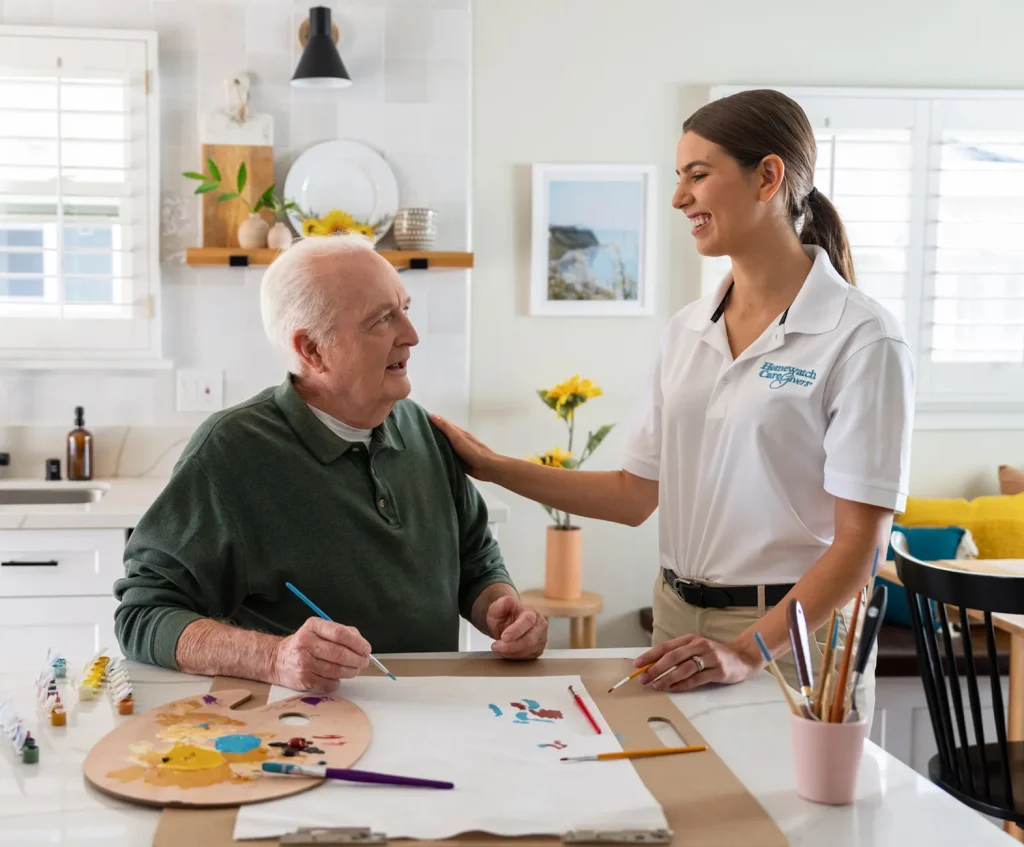
Caring for an aging loved one is a deeply emotional and meaningful responsibility—but it can also be overwhelming. As needs grow more complex, families often find themselves struggling to balance caregiving with work, children, and daily life. This is where professional caregivers become an invaluable part of the family support system.
Far from replacing family involvement, professional caregivers strengthen it. They bring expertise, consistency, and compassion that boost the well-being of the senior as well as the peace of mind of the entire family.
1. Professional Caregivers Provide Consistent, Reliable Care
Family members may want to be available around the clock, but responsibilities like jobs, school, and personal commitments make this difficult. Professional caregivers fill the gaps by offering reliable, scheduled care that ensures the senior never feels neglected.
Benefits:
- Routine assistance with daily activities
- Timely medication reminders
- Support during mornings, evenings, or overnight as needed
- Reduced risk of falls or emergencies
This consistency helps seniors maintain stable routines and improves their overall health.
2. They Reduce Stress and Prevent Caregiver Burnout
Family caregivers often experience emotional exhaustion, guilt, and burnout. Professional caregivers step in as partners, sharing the workload and ensuring no one person is overwhelmed.
How they help families:
- Allowing family caregivers to rest and recharge
- Reducing emotional strain
- Supporting family members who live far away
- Offering peace of mind knowing a trained professional is present
With support, families can focus on quality time instead of constant caretaking.
3. They Bring Expertise and Specialized Training
Professional caregivers are trained in areas that family members may not be equipped to handle.
Their expertise often includes:
- Mobility assistance
- Memory care for dementia or Alzheimer’s
- Medication organization
- Nutrition and meal planning
- Emergency response procedures
This professional knowledge can prevent complications, improve safety, and enhance comfort for the senior.
4. Enhancing Emotional Well-Being and Companionship
Loneliness is a serious issue among seniors. Professional caregivers offer more than practical support—they provide meaningful companionship.
They contribute through:
- Engaging conversations
- Participation in hobbies and activities
- Emotional reassurance
- Encouraging social connections
With a caregiver around, seniors feel valued, heard, and emotionally supported.