
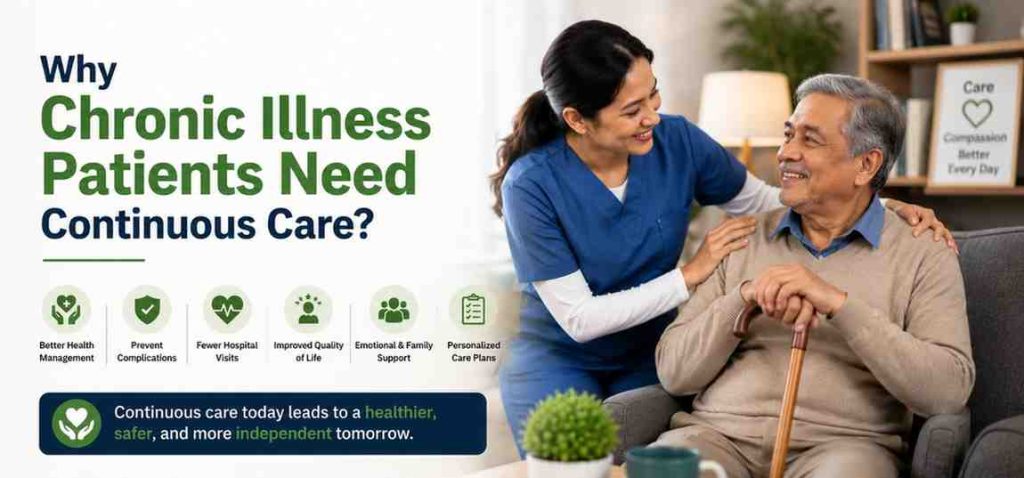
Chronic illnesses affect nearly every aspect of daily life, including physical health, emotional balance, relationships, work responsibilities, and personal independence. Unlike short-term medical conditions, chronic diseases often continue for years and require structured treatment, lifestyle adjustments, and ongoing supervision. Professional care plays an essential role in helping patients manage symptoms, prevent complications, and maintain stability over time.
Many chronic conditions progress gradually, which makes consistent medical oversight especially important. Diseases such as diabetes, heart disease, arthritis, respiratory disorders, kidney disease, and neurological conditions frequently involve changing symptoms and treatment needs. Patients may experience periods of stability followed by unexpected complications that require immediate attention.
Chronic Conditions Often Change Over Time
One of the primary reasons ongoing professional care remains essential involves the unpredictable nature of chronic illness. Symptoms, physical ability, medication responses, and overall health status can change gradually or suddenly.
Patients may experience:
- Increased fatigue
- Worsening pain
- Breathing difficulties
- Blood pressure fluctuations
- Mobility limitations
- Medication side effects
Without consistent medical supervision, these changes may progress unnoticed until serious complications develop. Healthcare professionals monitor patterns carefully and respond quickly when adjustments become necessary.
Regular evaluations help identify subtle warning signs before conditions become dangerous. Preventive care reduces risks involving hospitalization, permanent damage, or medical emergencies.
Chronic illnesses rarely remain static. Continuous professional oversight allows healthcare providers to adapt treatment plans according to changing needs and health conditions.
Medication Management Requires Professional Oversight
Many chronic illness patients rely on multiple medications to manage symptoms and prevent complications. Medication routines may become difficult to manage independently, especially when treatments involve complex schedules or changing dosages.
Professional care supports medication safety by monitoring:
- Dosage effectiveness
- Side effects
- Drug interactions
- Organ function
- Treatment consistency
- Symptom response
Certain medications require adjustments based on laboratory results, physical changes, or additional health conditions. Healthcare providers evaluate these factors regularly to ensure safer and more effective treatment.
Medication errors can lead to serious complications, especially for older adults or patients managing several chronic illnesses simultaneously. Professional oversight reduces confusion and improves treatment adherence.
Structured medication support also helps patients maintain healthier routines and clearer communication regarding treatment goals and medical concerns.
Preventing Serious Health Complications
Chronic illnesses can lead to severe complications when symptoms remain unmanaged or warning signs go unnoticed. Ongoing professional care helps reduce these risks through regular monitoring and preventive intervention.
Common complications may include:
- Heart attacks
- Stroke
- Kidney failure
- Severe infections
- Respiratory emergencies
- Nerve damage
Healthcare professionals identify changes early through routine evaluations, laboratory testing, and symptom assessment. Prompt intervention often prevents worsening health conditions and reduces the need for emergency treatment.
Preventive care remains one of the most effective strategies for improving long-term outcomes in chronic illness management. Consistent oversight allows providers to adjust treatment plans before complications become severe.
Patients who receive regular professional care often maintain stronger health stability and fewer hospital admissions over time.
Emotional Support Matters in Long-Term Illness
Living with a chronic illness affects emotional health as much as physical well-being. Long-term symptoms, medical appointments, treatment demands, and lifestyle restrictions may create anxiety, frustration, depression, or emotional exhaustion.
Professional care provides emotional reassurance through consistent communication and structured support. Healthcare providers help patients manage uncertainty while encouraging healthier coping strategies and realistic treatment goals.
Emotional benefits of ongoing care may include:
- Reduced stress
- Greater confidence
- Improved treatment motivation
- Better emotional stability
- Increased sense of control
- Stronger communication
Patients often feel more secure when healthcare professionals monitor their condition regularly and respond quickly to changes or concerns.
Emotional well-being strongly influences physical health, treatment adherence, and daily participation. Ongoing professional support helps patients maintain a healthier emotional balance throughout long-term illness management.
Better Symptom Control Improves Daily Living
Chronic illnesses frequently involve symptoms that fluctuate based on treatment consistency, physical activity, stress levels, diet, and sleep quality. Ongoing professional care helps patients maintain better symptom control through regular evaluation and treatment adjustment.
Healthcare providers may monitor:
- Pain levels
- Breathing patterns
- Blood pressure
- Blood sugar readings
- Fatigue levels
- Sleep disturbances
Consistent monitoring helps identify patterns that affect symptom severity. Treatment plans can then be adjusted to improve comfort and daily functioning.
Better symptom control allows patients to maintain greater independence and participation in work, family responsibilities, and social activities.
Even modest improvements in symptom management can significantly improve emotional well-being and quality of life for chronic illness patients.
Professional Care Encourages Healthier Habits
Lifestyle choices strongly influence many chronic conditions. Diet, physical activity, sleep, stress management, and medication adherence all affect symptom control and long-term health outcomes.
Healthcare professionals encourage healthier habits by providing structured support and accountability. Patients often maintain stronger routines when they receive consistent follow-up care and practical recommendations.
Supportive lifestyle strategies may include:
- Balanced nutrition planning
- Exercise recommendations
- Sleep improvement techniques
- Stress reduction practices
- Smoking cessation support
- Medication reminders
Professional guidance helps patients identify habits that improve or worsen symptoms. This awareness encourages more informed daily choices.
Structured support also increases motivation because patients can track progress and recognize improvements related to healthier routines.
Coordinated Care Improves Treatment Quality
Many chronic illness patients receive treatment from multiple healthcare providers, including specialists, primary care physicians, therapists, and caregivers. Without coordination, communication gaps may affect treatment consistency and patient safety.
Ongoing professional care improves coordination by organizing:
- Medical records
- Medication updates
- Appointment schedules
- Treatment recommendations
- Laboratory results
- Follow-up plans
Clear communication between healthcare providers reduces confusion and supports safer treatment decisions.
Patients also benefit from having organized support systems that simplify medical routines and improve overall healthcare management.
Coordinated care strengthens treatment quality while reducing stress for patients and families managing long-term illnesses.
Reducing Emergency Room Visits and Hospitalizations
Poorly managed chronic conditions frequently result in emergency medical situations requiring hospitalization or urgent treatment. Ongoing professional care helps reduce these risks through preventive monitoring and early intervention.
Healthcare providers can identify worsening symptoms before they become life-threatening. Early treatment adjustments often prevent severe complications that require emergency care.
Consistent professional support may reduce:
- Emergency room visits
- Hospital admissions
- Severe symptom flare-ups
- Treatment interruptions
- Recovery complications
Avoiding repeated hospitalizations improves physical health, emotional stability, and financial security for patients and families.
Preventive care also allows individuals to maintain more stable daily routines with fewer disruptions related to medical emergencies.
Supporting Older Adults With Chronic Illness
Many older adults live with multiple chronic conditions requiring continuous monitoring and treatment. Aging often increases physical vulnerability, medication sensitivity, and mobility limitations, making ongoing professional care especially important.
Healthcare providers help older adults manage concerns involving:
- Medication interactions
- Fall prevention
- Nutritional needs
- Memory challenges
- Physical stability
- Chronic pain
Structured support improves safety while helping older adults maintain independence longer.
Families also benefit from professional involvement because caregiving responsibilities often become more complex when multiple chronic conditions exist simultaneously.
Consistent oversight allows healthcare providers to identify changes early and adjust support according to evolving health needs.
Building Patient Confidence Through Consistent Care
Chronic illness management often feels overwhelming without reliable support and clear communication. Ongoing professional care helps patients feel more confident by providing structure, reassurance, and organized treatment plans.
Patients frequently gain confidence when they:
- Track health progress consistently
- Receive clear medical guidance
- Participate actively in treatment decisions
- Maintain organized routines
- Recognize symptom patterns
- Achieve realistic health goals
Confidence encourages stronger participation in healthcare management and healthier daily habits.
Patients who feel supported and informed often communicate more openly about symptoms, emotional concerns, and treatment challenges. This transparency improves care quality and long-term outcomes.
Consistent professional involvement also reduces uncertainty and strengthens emotional resilience during difficult periods of illness management.
The Role of Family Support in Chronic Care
Families often provide essential emotional and practical support for loved ones living with chronic illnesses. However, long-term caregiving responsibilities can create physical exhaustion, emotional stress, and scheduling challenges.
Professional care strengthens family support systems by sharing responsibilities and improving organization.
Healthcare professionals may assist families with:
- Care coordination
- Symptom monitoring
- Medication management
- Appointment scheduling
- Emotional support strategies
- Preventive care planning
Families often experience greater reassurance when trained professionals monitor chronic conditions consistently.
Balanced caregiving responsibilities also improve relationships by reducing stress and preventing caregiver burnout.
Strong collaboration between healthcare providers and families creates safer, more stable support systems for patients living with chronic illnesses.
Long-Term Monitoring Improves Treatment Accuracy
Chronic illnesses require regular evaluation because treatment effectiveness may change over time. Medications, lifestyle strategies, and symptom management plans often need adjustment based on physical changes and laboratory results.
Ongoing monitoring allows healthcare professionals to evaluate:
- Disease progression
- Treatment response
- Physical function
- Nutritional status
- Emotional health
- Activity tolerance
Accurate monitoring supports better treatment decisions and more personalized care strategies.
Patients benefit from treatment plans that adapt according to changing health needs rather than remaining fixed despite new symptoms or complications.
Continuous evaluation improves long-term health stability and reduces avoidable medical risks.
Technology Supports Ongoing Care
Healthcare technology has improved access to monitoring tools that support chronic illness management. Many patients now use digital devices and remote monitoring systems that help healthcare providers track important health information more consistently.
Helpful tools may include:
- Blood pressure monitors
- Glucose tracking systems
- Heart rate devices
- Medication reminder apps
- Telehealth appointments
- Digital symptom trackers
Technology improves convenience and communication while supporting faster response to health changes.
Remote monitoring also benefits patients with mobility limitations or transportation challenges by improving access to professional support from home environments.
Technology works best when combined with regular medical supervision and structured treatment planning.
The Value of Structured Long-Term Support
Chronic illnesses often require lifelong attention and management. Ongoing professional care creates stability by helping patients maintain organized routines, consistent treatment, and preventive healthcare practices.
Chronic condition management service reflects structured support systems designed to improve symptom control, treatment coordination, emotional well-being, and long-term health stability for individuals living with ongoing medical conditions.
Effective chronic care focuses on prevention, communication, and consistency rather than responding only after complications appear. Structured support encourages healthier habits while helping patients maintain greater independence and quality of life.
Long-term professional involvement provides reassurance, guidance, and medical oversight that adapts to changing health needs over time.
Conclusion
Chronic illness patients require ongoing professional care because long-term medical conditions involve changing symptoms, treatment demands, and potential complications that need continuous attention. Consistent healthcare oversight improves symptom management, medication safety, emotional well-being, and overall quality of life.
Professional support helps patients maintain healthier routines while reducing risks involving hospitalization, emergencies, and severe complications. Structured monitoring and preventive care also encourage greater independence and stronger long-term stability.
Families benefit from improved organization, reduced caregiving stress, and stronger communication with healthcare providers. Coordinated care creates safer and more effective support systems for everyone involved.
Long-term illness management depends on consistency, preventive action, and reliable professional guidance. Ongoing care helps patients navigate daily challenges while supporting healthier outcomes and greater emotional reassurance throughout every stage of chronic illness.
FAQs
Why do chronic illness patients need ongoing care?
Chronic illnesses often change over time and require regular monitoring to prevent complications. Ongoing care helps healthcare providers track symptoms, adjust treatments, manage medications, and identify warning signs early. Consistent professional support improves safety, symptom control, emotional well-being, and overall long-term health stability.
What types of conditions require continuous professional support?
Many long-term conditions benefit from ongoing care, including diabetes, heart disease, arthritis, respiratory disorders, kidney disease, neurological conditions, and high blood pressure. These illnesses often involve changing symptoms and treatment needs that require structured medical supervision and preventive healthcare management.
How does professional care improve medication safety?
Healthcare providers monitor medication effectiveness, side effects, interactions, and dosage accuracy. Regular oversight reduces risks involving treatment errors or harmful complications. Patients managing multiple medications especially benefit from organized support that improves treatment consistency and communication regarding symptom changes or medical concerns.
Can ongoing care help prevent hospital visits?
Yes. Regular monitoring helps healthcare professionals identify worsening symptoms before serious complications develop. Early intervention often prevents emergencies requiring hospitalization or urgent treatment. Preventive care supports stronger long-term stability and reduces disruptions caused by severe symptom flare-ups or medical crises.
Why does emotional support matter for chronic illness patients?
Long-term illnesses often create anxiety, frustration, emotional exhaustion, and uncertainty. Professional care provides reassurance, communication, and structured guidance that improve emotional stability. Better emotional health also supports stronger treatment adherence, healthier routines, and greater confidence in managing ongoing medical challenges.
How does ongoing care improve daily life?
Consistent care improves symptom management, physical comfort, mobility, and emotional balance. Patients often maintain greater independence and participation in family responsibilities, work, and social activities. Structured support also reduces stress related to medication routines, appointments, and health-related uncertainty.
What role do families play in chronic illness management?
Families frequently provide emotional support, transportation, medication reminders, and assistance with daily routines. Professional healthcare support strengthens family caregiving efforts by improving organization, communication, and preventive planning while reducing caregiver exhaustion and emotional strain over time.
Can technology support chronic illness care?
Yes. Digital tools such as glucose monitors, blood pressure devices, telehealth systems, and medication reminder apps improve monitoring consistency and communication. Technology helps healthcare providers track symptoms more effectively while improving convenience for patients managing long-term medical conditions from home.
Why does preventive care matter so much?
Preventive care identifies health concerns early, before complications become severe or life-threatening. Routine evaluations, laboratory testing, and symptom tracking allow healthcare providers to adjust treatment plans promptly. Early intervention improves safety, reduces medical emergencies, and supports stronger long-term health outcomes.
How does professional care support older adults with chronic illness?
Older adults often manage multiple chronic conditions simultaneously, increasing risks involving mobility, medication interactions, and physical stability. Ongoing professional care improves safety through regular monitoring, fall prevention strategies, nutritional support, and treatment coordination that adapts to changing health needs over time.