
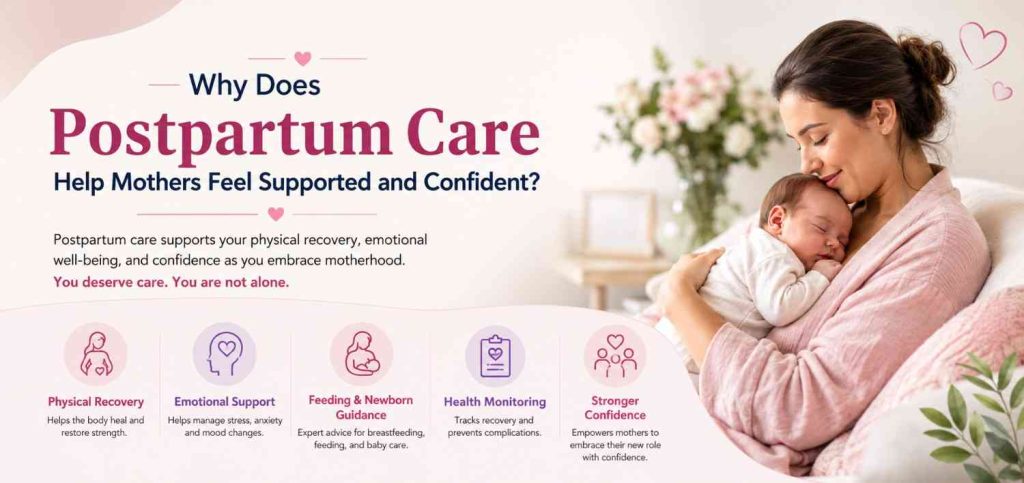
The period after childbirth introduces many physical, emotional, and practical changes that affect every aspect of daily life. Mothers adjust to caring for a newborn while recovering from pregnancy and delivery, making consistent support especially valuable. Postpartum care provides practical assistance, reliable information, and emotional encouragement that help mothers adapt to their new responsibilities with greater confidence. Moreover, structured care promotes healthy recovery, strengthens family routines, and creates a positive environment where both mother and baby can thrive together.
Why Postpartum Care Matters
The weeks following childbirth involve much more than physical healing. Mothers often balance feeding routines, changing sleep patterns, emotional adjustments, and household responsibilities while caring for a newborn. Consequently, postpartum care helps organize these responsibilities into manageable daily routines.
Support during this period encourages healthier recovery while reducing unnecessary stress. Furthermore, regular communication with healthcare professionals helps mothers address concerns before they become larger challenges.
Reliable assistance creates reassurance, allowing mothers to focus on both personal recovery and newborn care.
Main Goals of Postpartum Care
Postpartum care supports several important areas of maternal well-being.
Common priorities include:
- Physical recovery
- Emotional wellness
- Newborn feeding support
- Healthy nutrition
- Rest and sleep
- Family adjustment
- Infant care education
- Follow-up healthcare
- Daily routine development
Together, these priorities create a strong foundation for healthy family life.
How Support Builds Confidence
Confidence develops gradually through practical experience and reliable encouragement.
Postpartum support helps mothers:
- Feel prepared for newborn care
- Build healthy daily routines
- Ask important health questions
- Recognize normal recovery changes
- Improve caregiving skills
- Reduce unnecessary worry
As daily responsibilities become familiar, confidence naturally increases.
Supporting Physical Recovery After Childbirth
Recovery requires time, patience, and consistent self-care. Every mother’s healing process differs, making personalized recovery plans especially important.
Healthy recovery allows mothers to participate more comfortably in feeding, holding, comforting, and caring for their newborn. Consequently, physical well-being directly supports greater confidence during everyday parenting.
Moreover, appropriate recovery habits reduce physical discomfort while encouraging gradual improvements in strength and mobility.
Healthy Recovery Habits
Several daily practices support postpartum healing.
Helpful habits include:
- Drinking enough water
- Eating balanced meals
- Resting whenever possible
- Following medical recommendations
- Moving safely when appropriate
- Attending follow-up appointments
- Accepting practical assistance
These habits promote recovery while supporting overall well-being.
Why Physical Recovery Affects Confidence
Feeling physically stronger allows mothers to perform daily caregiving tasks with greater comfort.
Improved recovery often supports:
- Feeding routines
- Carrying the baby safely
- Comfortable movement
- Better sleep quality
- Increased daily energy
- Reduced physical strain
Consequently, mothers often feel more capable as recovery progresses.
Emotional Support Encourages Positive Adjustment
Emotional health remains an important part of postpartum care. Hormonal changes, interrupted sleep, and new responsibilities can create emotional challenges during the early weeks after childbirth.
Consistent encouragement helps mothers feel supported while reducing feelings of isolation. Furthermore, discussing concerns openly often provides reassurance and practical solutions.
Healthy emotional well-being strengthens confidence while supporting stronger family relationships.
Daily Habits That Support Emotional Wellness
Simple routines encourage emotional balance.
Helpful practices include:
- Talking openly about concerns
- Accepting support from loved ones
- Taking short periods of rest
- Eating nutritious meals
- Staying hydrated
- Spending quiet time with the baby
- Practicing relaxation techniques
These habits contribute to healthier emotional adjustment.
Recognizing Emotional Changes
Emotional changes vary from one mother to another.
Common experiences may include:
- Feeling overwhelmed
- Mood changes
- Increased sensitivity
- Fatigue
- Temporary anxiety
- Emotional excitement
Open communication with healthcare professionals helps address concerns while supporting healthy recovery.
Nutrition Supports Healing and Energy
Balanced nutrition provides the body with essential nutrients needed for tissue repair, hormone regulation, and energy production. Therefore, healthy eating remains one of the most valuable parts of postpartum recovery.
Rather than focusing on restrictive diets, mothers benefit from meals that include protein, healthy fats, whole grains, fruits, and vegetables.
Furthermore, regular meals help maintain consistent energy while supporting breastfeeding when applicable.
Foods That Support Recovery
Nutrient-rich foods contribute to healthy healing.
Good choices include:
- Lean poultry
- Fish
- Eggs
- Beans
- Whole grains
- Fresh vegetables
- Seasonal fruits
- Nuts
- Seeds
- Dairy products, when appropriate
Eating a variety of nutritious foods supports overall health.
Staying Properly Hydrated
Water supports nearly every function within the body.
Adequate hydration helps:
- Maintain energy
- Support digestion
- Promote healthy circulation
- Assist milk production when breastfeeding
- Reduce dehydration
- Encourage recovery
Drinking fluids consistently throughout the day supports healthier postpartum routines.
Building Confidence Through Newborn Care
Many first-time mothers initially feel uncertain about feeding, diaper changes, bathing, and soothing their newborn. Professional postpartum support provides practical instruction that gradually builds confidence through repeated daily experience.
Moreover, learning proper caregiving techniques reduces unnecessary worry while improving daily routines.
Confidence grows naturally as mothers complete everyday caregiving responsibilities.
Essential Newborn Care Skills
Postpartum education often includes several practical caregiving topics.
Common examples include:
- Safe feeding techniques
- Diaper changing
- Bathing safely
- Umbilical cord care
- Safe sleep practices
- Recognizing feeding cues
- Comforting techniques
- Hygiene routines
Developing these skills helps mothers care for their babies with greater assurance.
Creating Healthy Daily Routines
Daily routines provide structure during a period filled with new responsibilities. Predictable schedules make feeding, sleeping, personal recovery, and household activities easier to manage.
Furthermore, organized routines reduce decision fatigue while encouraging healthier habits for both mother and baby.
Although flexibility remains important, simple daily patterns often create greater confidence throughout the postpartum period.
Examples of Helpful Daily Routines
Many healthy habits fit naturally into everyday life.
Examples include:
- Regular feeding schedules
- Planned rest periods
- Healthy meal times
- Daily hydration goals
- Gentle physical activity when appropriate
- Organized baby care supplies
- Consistent bedtime routines
These routines create stability while supporting recovery and confident caregiving.
The Value of Family Support During Recovery
Support from family members plays an important role during the postpartum period. Practical assistance allows mothers to focus on healing while caring for their newborn without feeling overwhelmed by every household responsibility.
Moreover, emotional encouragement creates a reassuring environment where mothers feel comfortable asking for help when needed. Sharing responsibilities also reduces physical exhaustion, making daily caregiving more manageable.
Strong family involvement benefits both the mother and the baby by creating a calm, supportive home environment.
Ways Family Members Can Provide Meaningful Support
Practical help often makes the greatest difference during recovery.
Helpful examples include:
- Preparing nutritious meals
- Assisting with household chores
- Helping with grocery shopping
- Holding the baby during short breaks
- Encouraging regular hydration
- Supporting healthy sleep routines
- Providing transportation to appointments
These thoughtful actions allow mothers to recover while remaining actively involved in newborn care.
Breastfeeding Support Builds Confidence
For mothers who choose to breastfeed, proper support encourages greater comfort and confidence during the early weeks after childbirth. Feeding challenges sometimes arise, making accurate guidance especially valuable.
Professional assistance helps mothers establish comfortable feeding positions, recognize hunger cues, and address common concerns before they become more difficult. Furthermore, reassurance often reduces unnecessary anxiety while supporting positive feeding experiences.
Every feeding session also creates valuable opportunities for bonding between mother and baby.
Helpful Breastfeeding Practices
Simple habits encourage successful feeding routines.
Consider these practical suggestions:
- Feed according to the baby’s hunger cues.
- Maintain comfortable positioning.
- Stay hydrated throughout the day.
- Burp the baby after feeding.
- Wear supportive clothing.
- Create a calm feeding environment.
- Seek professional advice if concerns arise.
These habits encourage comfortable feeding while promoting maternal confidence.
Quality Sleep Supports Recovery
Interrupted sleep becomes common after childbirth because newborns require frequent care throughout the day and night. Nevertheless, adequate rest remains essential for physical healing, emotional well-being, and daily energy.
Consequently, postpartum support encourages mothers to rest whenever opportunities arise. Even shorter periods of uninterrupted sleep contribute to healthier recovery and improved focus during caregiving.
Prioritizing rest also supports better decision-making and emotional resilience.
Simple Ways to Improve Rest
Healthy sleep routines begin with realistic expectations.
Helpful ideas include:
- Sleep when the baby sleeps, when possible.
- Share nighttime responsibilities.
- Limit unnecessary visitors during recovery.
- Create a comfortable sleeping environment.
- Accept offers of practical assistance.
- Reduce household responsibilities temporarily.
Small adjustments often improve recovery while supporting daily caregiving.
Communication With Healthcare Professionals
Open communication remains one of the most valuable parts of postpartum care. Asking questions, reporting concerns, and discussing recovery progress help healthcare professionals provide personalized recommendations.
Moreover, regular follow-up appointments allow timely identification of physical or emotional concerns. Mothers who communicate openly often feel more informed and reassured throughout recovery.
Preparing questions before appointments also improves the quality of healthcare discussions.
Topics Worth Discussing During Follow-Up Visits
Several important subjects commonly arise during postpartum appointments.
These include:
- Physical recovery
- Emotional well-being
- Pain management
- Feeding concerns
- Sleep challenges
- Nutrition
- Physical activity
- Future health planning
Discussing these topics encourages informed decisions while strengthening confidence.
Balancing Personal Care With Newborn Care
Many mothers naturally focus most of their attention on their newborn. However, caring for personal health remains equally important during the postpartum period. Proper nutrition, hydration, rest, and emotional support directly influence the ability to provide consistent infant care.
Families seeking postpartum care in Monroe Township often receive practical recommendations that encourage both maternal recovery and healthy newborn care. Supporting the mother’s physical and emotional well-being creates a stronger foundation for confident parenting and healthy family routines.
Self-care allows mothers to care for their babies with greater energy and confidence.
Simple Self-Care Habits
Daily routines help mothers maintain their own well-being.
Helpful practices include:
- Eat balanced meals regularly.
- Drink enough water.
- Accept practical assistance.
- Take short periods of rest.
- Attend follow-up healthcare visits.
- Practice gentle movement when appropriate.
- Maintain personal hygiene.
Consistent self-care supports healthier recovery while reducing unnecessary stress.
Preparing for Everyday Parenting Responsibilities
Confidence develops through repeated caregiving experiences rather than perfection. Every successful diaper change, feeding session, comforting moment, and bedtime routine strengthens practical parenting skills.
Furthermore, postpartum support encourages mothers to approach each new responsibility with patience instead of unrealistic expectations. Small achievements gradually build lasting confidence.
As daily routines become familiar, caregiving often feels more natural and organized.
Daily Habits That Build Parenting Confidence
Simple organizational strategies support smoother daily routines.
Helpful ideas include:
- Prepare baby supplies in advance.
- Follow predictable feeding schedules.
- Keep important healthcare information organized.
- Practice safe sleep habits consistently.
- Create flexible daily routines.
- Ask questions whenever concerns arise.
- Celebrate gradual progress.
These practical habits help mothers approach each day with greater confidence while strengthening their relationship with their baby.
Long-Term Benefits of Postpartum Support
Postpartum support continues providing value well after the first weeks following childbirth. As mothers become more familiar with daily routines, the knowledge and confidence gained during recovery help them respond to new parenting responsibilities with greater ease. Consequently, healthy habits established early often remain beneficial throughout infancy.
Consistent support encourages mothers to maintain balanced nutrition, adequate hydration, regular healthcare appointments, and realistic self-care routines. Moreover, these positive habits contribute to stronger physical health, emotional resilience, and greater confidence when caring for a growing child.
Every stage of early parenthood introduces new responsibilities. Practical preparation allows mothers to approach these changes with reassurance rather than uncertainty, creating a more positive experience for the entire family.
Healthy Habits That Continue Providing Benefits
Many routines remain valuable beyond the postpartum period.
Helpful examples include:
- Maintaining balanced nutrition
- Drinking adequate water
- Keeping regular healthcare appointments
- Following healthy sleep routines whenever possible
- Monitoring physical recovery
- Staying physically active when appropriate
- Maintaining open communication with family
- Continuing emotional self-care
These habits support long-term wellness while encouraging confident parenting.
Adapting to Changing Family Needs
Family life changes quickly as babies grow and develop new abilities. Therefore, postpartum support encourages flexibility while helping mothers maintain healthy routines. Feeding schedules, sleep patterns, and daily responsibilities naturally evolve during the first year.
Moreover, adapting routines gradually helps families maintain stability without unnecessary stress. Parents who remain open to adjusting expectations often feel more prepared for developmental milestones and changing household responsibilities.
Healthy communication within the family also encourages teamwork, making everyday challenges easier to manage. This balanced approach strengthens confidence while supporting the well-being of both mother and baby.
Ways to Adjust Daily Routines Successfully
Small changes help families manage evolving needs.
Consider these practical approaches:
- Review daily schedules regularly.
- Prepare for changing feeding routines.
- Adjust sleep schedules as appropriate.
- Continue attending healthcare visits.
- Encourage shared parenting responsibilities.
- Create flexible household routines.
- Prioritize rest whenever opportunities arise.
These adjustments support smoother transitions while preserving healthy family habits.
Creating a Positive Home Environment
A peaceful and supportive home allows mothers to recover while building strong relationships with their babies. Calm communication, realistic expectations, and shared responsibilities create an atmosphere where families feel secure and connected.
Furthermore, a positive environment encourages healthy emotional development for babies while reducing unnecessary stress for parents. Consistent routines, respectful communication, and mutual support strengthen family relationships over time.
Although every household experiences occasional challenges, patience and cooperation help create lasting confidence throughout the parenting journey.
Characteristics of a Supportive Home
Healthy family environments often include:
- Consistent daily routines
- Respectful communication
- Shared household responsibilities
- Emotional encouragement
- Safe surroundings
- Healthy work-life balance
- Time for rest and recovery
These qualities support stronger family relationships while encouraging healthy child development.
Conclusion
Postpartum care provides mothers with the support, knowledge, and reassurance needed during a significant period of adjustment. Healthy recovery, emotional well-being, balanced nutrition, practical newborn care, and consistent family support all contribute to greater confidence after childbirth. As mothers build healthy routines and strengthen their caregiving skills, they become better prepared to care for themselves and their babies. Consistent support during recovery creates lasting benefits that promote healthier families and more confident parenting.
FAQs
1. Why is postpartum care important after childbirth?
Postpartum care supports physical healing, emotional well-being, newborn care, and healthy family adjustment after childbirth. Regular follow-up, practical advice, and ongoing support help mothers recover safely while building confidence in their ability to care for their baby and themselves.
2. How does postpartum care improve a mother’s confidence?
It provides reliable information, practical caregiving skills, emotional reassurance, and structured recovery plans. As mothers become more familiar with feeding, newborn care, and daily routines, they often feel increasingly confident managing their responsibilities and making informed decisions.
3. What physical changes does postpartum care help monitor?
Postpartum care helps monitor healing after childbirth, pain levels, bleeding, recovery progress, hydration, nutrition, mobility, and overall physical well-being. Regular evaluations allow healthcare professionals to identify concerns early and recommend appropriate care when necessary.
4. How can family members support postpartum recovery?
Family members can prepare meals, assist with household tasks, encourage rest, help with newborn care, provide transportation, and offer emotional encouragement. Practical support allows mothers to focus on recovery while maintaining meaningful interactions with their baby.
5. Why is emotional support important during the postpartum period?
Emotional support reduces feelings of isolation while helping mothers adjust to new responsibilities. Open conversations, reassurance, healthy self-care, and professional guidance encourage emotional well-being, strengthen confidence, and support positive family relationships during recovery.
6. How does proper nutrition help postpartum recovery?
Balanced nutrition supplies the body with nutrients needed for tissue repair, energy production, hormone balance, and overall healing. Healthy meals also support daily energy levels and contribute to improved physical recovery following childbirth.
7. Does postpartum care include newborn care education?
Yes. Postpartum care often includes practical instruction about feeding, safe sleep, diaper changing, bathing, hygiene, soothing techniques, and recognizing common newborn behaviors. These skills help mothers care for their babies with greater confidence and consistency.
8. How can mothers balance self-care with caring for a newborn?
Planning simple daily routines, accepting practical help, eating nutritious meals, drinking enough water, resting whenever possible, and attending follow-up appointments help mothers maintain their health while providing attentive care for their baby.
9. How long does postpartum support remain beneficial?
Many healthy habits established during postpartum recovery continue providing benefits throughout infancy and beyond. Consistent self-care, healthy nutrition, emotional support, and organized routines strengthen long-term parental confidence and overall family well-being.
10. What is the biggest advantage of postpartum care?
Its greatest advantage lies in helping mothers recover physically and emotionally while building confidence in caring for their newborn. Consistent support encourages healthy routines, informed decisions, stronger family relationships, and a positive transition into parenthood.