
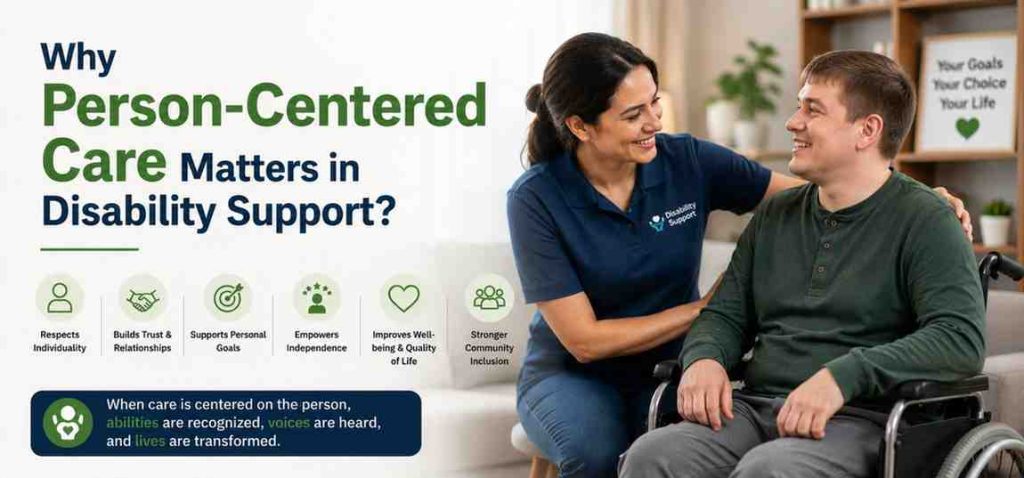
Every individual deserves support that respects personality, preferences, communication style, goals, and personal identity. People living with developmental disabilities often face systems that focus more on routines and limitations than on individual strengths and choices. Person-centered care changes that approach by placing the individual at the center of every decision, activity, and support plan.
This care model recognizes that no two people share the same emotional, physical, behavioral, or social needs. Some individuals require communication support, while others need assistance with mobility, emotional regulation, or structured routines. Person-centered support adapts to those differences instead of forcing individuals into rigid systems that ignore personal preferences and comfort.
A Care Approach Built Around the Individual
Traditional care systems often rely on fixed schedules and generalized routines. While structure remains important, rigid systems may overlook personal preferences, emotional triggers, and communication styles. Person-centered care focuses on adapting support according to the individual instead of expecting the individual to adapt completely to the system.
This approach values:
- Personal goals
- Individual communication methods
- Cultural preferences
- Emotional needs
- Daily routines
- Social interests
- Strengths and abilities
- Personal choices
Caregivers who use person-centered strategies spend time identifying what helps individuals feel secure, motivated, and comfortable. Small adjustments in communication, scheduling, or activities often improve cooperation and emotional well-being significantly.
Personalized care also helps individuals maintain stronger control over their lives. Participation in decision-making encourages confidence and strengthens self-esteem.
Respecting Personal Identity and Dignity
Every person deserves respectful support regardless of cognitive, emotional, or physical challenges. Person-centered care protects dignity by recognizing individuality instead of defining people solely by diagnoses or support needs.
Respectful support includes:
- Listening carefully during communication
- Encouraging personal choices
- Maintaining privacy
- Respecting routines and preferences
- Supporting independence whenever possible
- Avoiding dismissive language
Individuals with developmental disabilities may feel frustrated when others make decisions without including them. Person-centered support encourages active participation and values personal opinions during caregiving decisions.
Respectful interaction also strengthens trust between caregivers and individuals receiving support. Trust improves communication, emotional comfort, and daily cooperation.
When dignity remains central to care, individuals often experience greater emotional security and stronger self-confidence.
Better Emotional Stability Through Personalized Support
Emotional health plays a major role in daily functioning and social participation. Many individuals with developmental disabilities experience anxiety, frustration, or emotional overwhelm when routines feel unpredictable or communication becomes difficult.
Person-centered care improves emotional stability by creating routines and environments that reflect individual comfort levels and emotional needs.
Support professionals may adjust:
- Activity schedules
- Communication styles
- Sensory environments
- Social interaction levels
- Recreational activities
- Transition routines
These personalized adjustments help reduce emotional stress and behavioral tension. Individuals often respond more calmly when caregivers recognize triggers and provide supportive coping strategies.
Predictable routines and respectful interaction create emotional security. Stable environments encourage healthier emotional regulation and stronger participation during daily activities.
Families frequently notice improved mood and reduced behavioral challenges when support aligns with personal preferences and emotional comfort.
Encouraging Independence Instead of Dependence
Effective support should strengthen independence whenever possible. Person-centered care encourages individuals to participate actively in daily routines according to their abilities instead of relying completely on others.
Supportive independence may involve:
- Preparing meals
- Organizing personal belongings
- Managing schedules
- Practicing communication skills
- Participating in household responsibilities
- Choosing clothing or activities
Caregivers assist while still encouraging involvement and decision-making. This balanced approach builds confidence and helps individuals maintain greater control over their lives.
Independence does not mean removing support completely. Instead, person-centered care identifies opportunities where individuals can participate safely and meaningfully.
Even small achievements often improve motivation, emotional resilience, and self-esteem. Encouraging participation helps individuals feel capable and valued within their homes and communities.
Stronger Communication Between Caregivers and Individuals
Communication forms the foundation of successful disability support. Many individuals communicate differently based on cognitive ability, speech development, sensory needs, or emotional comfort. Person-centered care adapts communication methods according to individual preference and ability.
Support professionals may use:
- Visual communication tools
- Simplified language
- Gestures or body language
- Assistive communication devices
- Calm verbal interaction
- Repetition for clarity
Flexible communication reduces frustration and improves emotional connection. Individuals often participate more actively when caregivers communicate in ways that feel comfortable and respectful.
Listening remains equally important. Person-centered care values feedback, preferences, and emotional responses during conversations and daily routines.
Stronger communication improves trust, cooperation, and relationship quality between caregivers, individuals, and families.
Building Safer and More Comfortable Environments
Safety remains essential within disability support, but emotional comfort matters equally. Person-centered care creates environments that feel secure, familiar, and supportive without becoming overly restrictive.
Caregivers consider factors such as:
- Sensory sensitivity
- Noise levels
- Mobility limitations
- Personal routines
- Emotional triggers
- Preferred activities
These considerations help individuals feel calmer and more confident within their surroundings. Comfortable environments reduce stress while encouraging participation in daily routines.
Safety plans also become more effective when they reflect personal habits and behaviors. Individuals cooperate more willingly when routines feel familiar and respectful instead of forced or overly controlling.
Supportive environments improve physical safety while protecting emotional well-being and dignity.
Supporting Meaningful Social Participation
Social interaction supports emotional health, communication development, and personal confidence. However, individuals with developmental disabilities may feel excluded when support systems ignore personal interests or communication challenges.
Person-centered care encourages meaningful social participation by focusing on activities and relationships that matter to the individual.
Support may include:
- Recreational programs
- Community events
- Volunteer opportunities
- Educational activities
- Religious gatherings
- Creative hobbies
Caregivers can adjust support according to comfort levels and communication preferences. Personalized encouragement helps individuals participate more confidently in social settings.
Meaningful participation reduces isolation and strengthens emotional well-being. Individuals often build stronger relationships when they engage in activities aligned with personal interests and strengths.
Flexibility Improves Long-Term Support
Support needs often change throughout different stages of life. Children, adults, and aging individuals may require adjustments related to mobility, communication, emotional regulation, or medical care. Person-centered care provides flexibility that allows support systems to evolve gradually.
Flexible support plans help caregivers respond effectively to:
- Educational transitions
- Behavioral changes
- Health concerns
- Family circumstances
- Social development
- Emotional challenges
Adaptable care reduces disruption because routines can change according to individual progress and comfort. This flexibility creates stronger long-term stability for individuals and families.
Rigid systems may increase frustration when support fails to reflect changing needs. Person-centered approaches encourage regular communication and thoughtful adjustments that protect emotional balance and independence.
Improving Relationships Within Families
Families often carry major emotional and physical responsibilities while supporting loved ones with developmental disabilities. Stress may increase when routines feel overwhelming or when communication becomes difficult.
Person-centered support improves family relationships by encouraging collaboration, respect, and balanced caregiving responsibilities. Caregivers work closely with relatives to create routines that reflect personal goals and household needs.
This teamwork often improves:
- Communication
- Emotional stability
- Household organization
- Trust between family members
- Daily consistency
- Social participation
Educational and Workplace Benefits
Children and adults with developmental disabilities often perform better academically or professionally when support reflects individual strengths and communication styles. Person-centered care helps identify effective study methods, sensory preferences, and motivational strategies.
Support professionals may assist with:
- Organizational skills
- Structured routines
- Emotional regulation
- Communication support
- Task management
- Transition preparation
Personalized support improves participation and confidence within educational or workplace settings. Individuals often feel more comfortable expressing concerns and asking for assistance when caregivers respect personal preferences.
Strong support systems encourage individuals to pursue goals while reducing frustration and emotional overwhelm.
Preventing Emotional Burnout
Individuals with developmental disabilities may experience emotional exhaustion when routines feel restrictive, communication becomes difficult, or personal choices remain limited. Person-centered care reduces emotional pressure by encouraging flexibility and meaningful participation.
Caregivers who recognize emotional needs can respond more effectively during stressful situations. Calm communication and predictable routines help individuals manage transitions and challenges more successfully.
Families also benefit emotionally because individualized support creates more balanced caregiving responsibilities and healthier household dynamics.
Reducing emotional stress improves overall quality of life while encouraging stronger social and emotional participation.
Promoting Long-Term Confidence and Growth
Confidence grows when individuals feel respected, capable, and included in daily decisions. Person-centered care encourages gradual skill development while protecting dignity and emotional well-being.
Support professionals help individuals identify realistic goals related to:
- Daily living skills
- Communication
- Education
- Employment
- Social interaction
- Recreational participation
Achievement builds motivation and strengthens emotional resilience. Even small accomplishments contribute to greater confidence and independence over time.
Consistent encouragement also helps individuals develop stronger self-advocacy skills. People who feel heard and respected often communicate preferences more confidently during relationships and daily activities.
The Human Value of Personalized Support
Disability support should focus on the individual rather than solely on routines or diagnoses. Person-centered care recognizes emotional needs, personal identity, communication differences, and meaningful life goals.
Developmental disabilities care reflects a broader commitment to providing respectful, individualized support that encourages dignity, participation, and emotional well-being for individuals living with cognitive, behavioral, or physical challenges.
Effective support systems create opportunities instead of limitations. Individuals deserve environments where they feel included, respected, and capable of participating actively in daily life.
Person-centered methods encourage stronger emotional stability, healthier relationships, and safer routines while supporting independence and personal growth.
Conclusion
Person-centered care remains essential within disability support because it prioritizes individuality, dignity, emotional comfort, and meaningful participation. Personalized support improves communication, encourages independence, and strengthens emotional stability for individuals living with developmental disabilities.
Families and caregivers benefit from stronger relationships, healthier routines, and more balanced support systems. Flexible care approaches also adapt more effectively to changing needs throughout different life stages.
Individuals deserve support that reflects personal identity instead of focusing only on limitations or diagnoses. Respectful caregiving creates safer environments, greater confidence, and stronger emotional well-being.
Effective disability support should encourage people to participate actively in decisions, relationships, routines, and community life. Person-centered care strengthens quality of life while protecting dignity, independence, and emotional security.
FAQs
What does person-centered care mean in disability support?
Person-centered care focuses on the individual’s preferences, communication style, goals, routines, and emotional needs. Instead of using rigid systems, caregivers adapt support according to personal strengths and challenges. This approach encourages dignity, participation, emotional comfort, and stronger independence during daily activities and long-term support planning.
Why does personalized care improve emotional well-being?
Personalized support reduces stress by creating routines and environments that match individual comfort levels and emotional needs. Familiar schedules, respectful communication, and preferred activities help individuals feel safer and more confident. Emotional stability often improves when people feel heard, respected, and included in caregiving decisions.
How does person-centered care encourage independence?
Caregivers encourage individuals to participate actively in daily routines according to their abilities. Support may involve communication practice, household tasks, meal preparation, or schedule management. This balanced approach strengthens confidence while allowing individuals to maintain greater control over personal choices and responsibilities.
Can person-centered support reduce behavioral challenges?
Yes. Behavioral stress often decreases when caregivers recognize emotional triggers, communication barriers, and sensory preferences. Personalized routines and supportive interaction help individuals feel more secure and emotionally balanced. Reduced frustration frequently improves cooperation and emotional regulation during daily activities and transitions.
Why is communication important in person-centered care?
Strong communication helps caregivers recognize emotional needs, preferences, and concerns more effectively. Flexible communication methods such as visual tools, calm language, or assistive devices improve interaction and reduce frustration. Better communication strengthens trust, participation, and relationship quality between individuals, caregivers, and families.
How does person-centered care support families?
Families benefit from improved communication, structured routines, and collaborative caregiving plans. Support professionals work closely with relatives to maintain consistent and respectful care. This teamwork reduces emotional stress, improves household balance, and strengthens relationships while ensuring individualized support for loved ones with disabilities.
Does person-centered care support community involvement?
Yes. Caregivers encourage participation in activities that match personal interests, communication abilities, and comfort levels. Community involvement may include recreation, education, volunteering, or social gatherings. Meaningful participation reduces isolation while strengthening emotional health, confidence, and social connection.
Why does flexibility matter in disability support?
Support needs may change because of health conditions, emotional development, aging, or educational transitions. Flexible care systems adapt gradually according to those changes. Person-centered approaches reduce disruption by adjusting routines and support methods while protecting emotional stability and personal comfort.
How does person-centered care build confidence?
Confidence grows when individuals feel respected and included in decisions affecting daily life. Caregivers encourage realistic goals, active participation, and personal choice. Positive encouragement and successful experiences strengthen motivation, emotional resilience, and self-esteem over time.
What long-term benefits come from individualized support?
Long-term benefits often include stronger emotional stability, healthier relationships, improved communication, greater independence, and increased social participation. Individuals frequently develop better coping skills and stronger confidence. Families also experience reduced stress and more balanced caregiving routines through personalized and respectful support systems.