
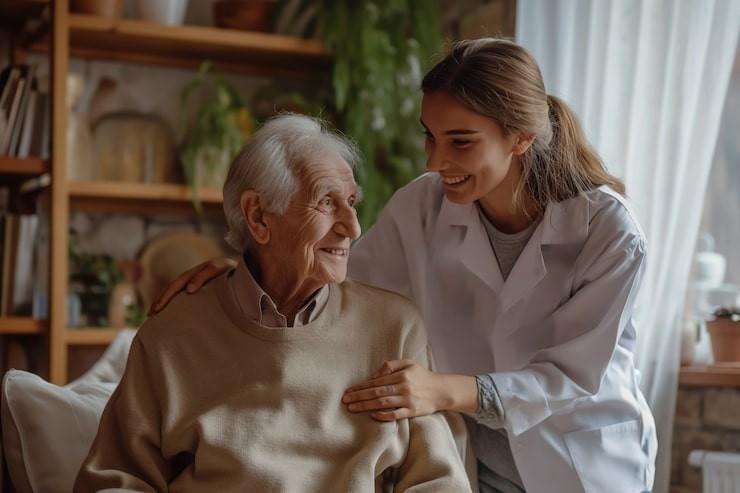
The preservation of independence for aging veterans involves more than just physical assistance; it requires a deep appreciation for the unique life experiences and health challenges that stem from military service. As individuals enter their senior years, the desire to remain in their own homes often intensifies. This sense of place provides comfort, familiarity, and a vital link to one’s personal history. However, aging frequently introduces functional limitations that threaten this autonomy. For those who served, these limitations often intertwine with long-standing service-related conditions, making a generic approach to care insufficient. Customizing support to meet the specific needs of a veteran ensures that they do not merely survive their later years but thrive with dignity and self-governance.
The Biological Legacy of Military Service
Military service leaves an indelible mark on the human body that often becomes more pronounced as the decades pass. Young service members frequently endure extreme physical stress, ranging from carrying heavy loads over long distances to repetitive high-impact movements. While the body might recover during youth, these stresses often manifest as chronic musculoskeletal issues later in life. Arthritis, degenerative disc disease, and joint instability frequently appear earlier and with greater severity in veterans compared to their civilian counterparts.
Beyond the skeletal system, exposure to unique environmental hazards during deployment creates a complex health profile. Many seniors deal with the long-term effects of respiratory irritants, chemicals, or noise-induced hearing loss. These conditions require monitoring that goes beyond standard geriatric screenings. A personalized approach identifies these specific triggers and manages them proactively. By addressing the root causes of discomfort and mobility loss, care providers enable veterans to maintain the physical capacity required for independent living. This targeted medical attention prevents minor ailments from cascading into debilitating injuries that might otherwise necessitate institutionalization.
Preservation of Personal Agency
Autonomy rests on the ability to make choices about one’s daily life, from what to eat for breakfast to when to go for a walk. For a veteran who may have spent a significant portion of their life following a strict chain of command, the ability to control their environment in retirement carries immense weight. Standardized care models often impose a rigid schedule on the individual, which can feel like an unwanted return to the constraints of service. Personalized care flips this dynamic, placing the veteran at the center of the decision-making process.
When care plans adapt to the individual’s preferences, the senior feels respected and empowered. This empowerment directly correlates with better mental health outcomes and a higher level of engagement with their own recovery. If a veteran prefers a specific routine that aligns with their former military discipline—or conversely, if they wish to reject all forms of strict scheduling—the care framework should accommodate that choice. This level of flexibility ensures that the support provided feels like a tool for freedom rather than a barrier to it.
Precision Health Monitoring for Aging Servicemen
Effective senior care relies on the early identification of health shifts. For veterans, this monitoring must account for the psychological and physiological interactions of their past. For instance, a senior veteran might experience “late-onset stress symptoms” that mimic or exacerbate cardiac issues. A specialist who recognizes the interplay between historical trauma and modern cardiovascular health provides a much higher level of safety.
- Integrated Pain Management: Using non-pharmaceutical interventions to manage chronic injuries.
- Respiratory Oversight: Monitoring lung function for those exposed to airborne hazards.
- Neurological Screening: Early detection of cognitive shifts that may relate to past traumatic brain injuries.
- Sensory Support: Managing hearing and vision loss to prevent social withdrawal and falls.
By focusing on these specific areas, the care team creates a safety net that is both invisible and robust. This precision allows the veteran to remain in their home, knowing that their health is being watched by someone who comprehends the nuances of their medical history.
The Psychological Blueprint of Senior Autonomy
Independence is as much a mental state as it is a physical one. Veterans often possess a strong sense of self-reliance and a “mission-first” mindset. While these traits are admirable, they can sometimes lead to a reluctance to ask for help, even when it is necessary. A tailored care strategy respects this stoicism while gently integrating the necessary support. The goal is to provide assistance that feels like an enhancement of the veteran’s strengths rather than a replacement for them.
Maintaining cognitive health is a primary pillar of senior independence. For many veterans, staying mentally sharp involves staying connected to their identity as a protector or a leader. Care plans that include cognitive stimulation, such as discussions of history or participation in veteran-focused community groups, help keep the mind active and engaged. This proactive mental engagement reduces the risk of depression and anxiety, both of which can lead to a rapid decline in physical independence if left unaddressed.
Home-Based Strategies and Functional Longevity
The physical environment of the home plays a critical role in how long a senior can live independently. Many veterans live in older homes that were not designed for limited mobility. Personalized care extends to the physical space, involving assessments that suggest modifications without stripping the home of its character. Simple changes, such as installing grab bars that blend with the decor or improving lighting in hallways, can prevent the falls that frequently end a senior’s ability to live alone.
Functional longevity also involves assistance with the “Activities of Daily Living” (ADLs) that the veteran can no longer manage solo. This might include meal preparation that adheres to specific nutritional needs or help with heavy cleaning. When these tasks are handled by a professional, the veteran can focus their energy on the activities they enjoy, such as gardening or spending time with family. This balance ensures that the individual remains the “commander” of their household, even if they have “support troops” helping with the logistics.
Strengthening the Family Support Network
Many senior veterans rely on spouses or adult children for primary care. While these family members are dedicated, they often lack the specialized training to manage complex service-connected conditions. This can lead to caregiver burnout, which eventually forces the family to consider residential facilities. Personalized professional support acts as a release valve for this pressure. By providing expert assistance, these services allow family members to return to their primary roles as loving relatives rather than full-time nurses.
Furthermore, professional care providers offer education to the family. They explain why certain behaviors might occur and how to best support the veteran’s desire for autonomy. This collaborative approach creates a stable home environment where everyone feels supported. When the family feels confident in the care their loved one receives, the overall stress level of the household drops, creating a much more sustainable situation for long-term home-based living.
Transitioning from Service to Specialized Senior Assistance
The transition into senior care can feel daunting for someone who has always been the one protecting others. The language used in the care process matters significantly. Using terms that resonate with a veteran’s background—such as “logistics,” “strategy,” and “readiness”—can make the acceptance of care feel like a natural progression of their life’s work. By selecting a dedicated veteran care service, families ensure that their loved ones receive attention tailored to their specific deployment history and physical condition.
This specialization ensures that the care team is not just looking at a senior citizen, but at a person with a specific, honorable history. This recognition of service builds an immediate rapport and trust. When a veteran trusts their caregiver, they are more likely to be honest about their symptoms and more willing to follow medical advice, both of which are essential for maintaining independence.
Combating Isolation Through Structured Engagement
Social isolation is one of the most significant threats to senior independence. When a person loses the ability to drive or move easily, their world can shrink to the size of their living room. For veterans, this isolation can be compounded by the feeling that civilians do not comprehend their life experiences. Personalized care plans prioritize social connectivity, often facilitating interactions with other veterans or finding ways to keep the senior involved in community events.
Structured engagement might involve technology, such as video calls with distant comrades, or physical outings to local VFW or Legion posts. These connections provide a sense of belonging and remind the veteran that they are still part of a larger community. Feeling valued and connected provides a massive boost to emotional resilience, which in turn fuels the physical desire to stay active and independent.
Economic Advantages of Home-Centered Care
While the primary focus of personalized care is the well-being of the veteran, the economic benefits are also substantial. Residential care facilities are exceptionally expensive and often require the liquidation of personal assets. In contrast, home-based personalized care allows the veteran to keep their home and manage their resources more effectively. By preventing major health crises through proactive management, families avoid the astronomical costs of emergency room visits and long-term hospital stays.
Staying at home also allows the veteran to maintain their lifestyle and community ties without the “move-in” fees and monthly overhead of a facility. The financial stability provided by remaining at home contributes to a senior’s peace of mind. When an individual does not have to worry about the rising costs of a nursing home, they can focus more on their health and happiness.
The Future of Personalized Support Models
The landscape of senior care continues to evolve, with a growing emphasis on precision medicine and remote monitoring technology. For veterans, this means even more opportunities to remain independent. Wearable devices can now track vital signs and alert care providers to potential issues before they become emergencies. Tele-health services allow veterans in rural areas to consult with specialists who comprehend their specific conditions without the need for exhausting travel.
These technological advancements, when paired with a human-centric, personalized approach, create a powerful framework for autonomy. The focus remains on the individual, using technology as a tool to support their choices and safety. As we move forward, the ability to tailor every aspect of care to the veteran’s unique history will only improve, making the goal of lifelong independence a reality for more of our former service members.
Strategic Nutritional Support and Aging
Proper nutrition is a cornerstone of maintaining the energy levels required for an independent lifestyle. However, many seniors face challenges with appetite or the physical ability to cook. For veterans, nutritional needs may be influenced by long-term medication use or metabolic changes related to past stressors. Personalized care involves creating meal plans that are not only healthy but also appetizing to the individual.
Dietary choices impact everything from bone density to cognitive function. A care provider who comprehends these links can ensure the veteran receives the right balance of vitamins and minerals to support their specific health goals. For example, a veteran with service-connected joint issues might benefit from an anti-inflammatory diet. By addressing these needs through personalized meal support, the care team helps the senior maintain the physical strength necessary to navigate their home and community.
Navigating Benefits and Resource Allocation
One of the most frustrating barriers to independence is the complexity of accessing earned benefits. Many senior veterans are eligible for programs that could fund home modifications or in-home care, but the paperwork can be overwhelming. Part of a personalized care strategy involves advocacy and assistance with these logistical hurdles. Professional care coordinators often have experience in navigating these systems, ensuring that the veteran receives every bit of support they are entitled to.
When the burden of bureaucracy is lifted, the veteran and their family can focus on the actual process of aging well. This advocacy ensures that financial constraints do not become a reason for a premature move to a care facility. It also provides a sense of justice, as the veteran sees the rewards of their service being used to support their dignity in their later years.
The Role of Routine in Cognitive Stability
For many who served in the military, routine is not just a habit; it is a comfort. The structured nature of service creates a psychological blueprint that can be very helpful in the senior years. Personalized care leverages this by helping the veteran establish a “civilian routine” that provides the same sense of predictability and safety. This regularity is particularly beneficial for those experiencing early signs of memory loss or cognitive decline.
A predictable day reduces the “cognitive load” on the senior, allowing them to navigate their tasks with more confidence. When an individual knows exactly what to expect from their day and their care provider, their stress levels remain low. This stability is a key factor in preventing the confusion and agitation that can lead to unsafe situations at home. By respecting and utilizing the veteran’s affinity for structure, care providers reinforce the foundation of their independence.
Redefining the “Mission” of Retirement
Independence is often sustained by having a reason to get out of bed in the morning. Many veterans struggle with the lack of a “mission” once they are fully retired and facing the limitations of age. Personalized care involves helping the individual find a new purpose that fits their current physical abilities. This might be a hobby, a mentorship role, or simply the goal of staying healthy for a grandchild’s upcoming graduation.
When a care provider takes the time to comprehend what truly matters to the veteran, they can align the care plan with those goals. If the veteran’s mission is to stay strong enough to attend a yearly reunion, the physical therapy and nutritional plans are designed to meet that objective. This goal-oriented approach mirrors the military mindset and provides a powerful motivation for the veteran to remain active and independent.
Conclusion
The journey through the senior years should be marked by respect, comfort, and the continued ability to lead one’s own life. For those who have sacrificed for their country, this independence is a hard-earned right. Generic care models simply cannot account for the complex interplay of military history, physical trauma, and the resilient spirit of a veteran. By prioritizing personalized care, we provide the specific tools and support necessary for these individuals to stay in the homes they love, surrounded by the mementos of a life well-lived.
This approach acknowledges that a veteran is not just a patient, but a person with a story that deserves to be honored. Through targeted medical monitoring, environmental adaptations, and emotional support, we ensure that the final chapters of that story are written by the veterans themselves. Independence is the greatest gift we can help a senior veteran preserve, and personalized care is the most effective way to deliver it.
FAQs
Why does military history affect senior care?
Military service often results in unique physical and psychological stressors, such as exposure to chemicals, repetitive strain injuries, or trauma. These factors cause veterans to age differently from civilians, requiring care providers to have specialized knowledge of service-connected conditions to ensure the veteran remains safe and independent at home.
How does customization prevent nursing home placement?
Customization identifies the specific physical or cognitive barriers preventing a veteran from living alone. By addressing these exact issues—whether through home modifications, specialized therapy, or routine assistance—the care plan removes the need for institutionalization and allows the senior to remain in a familiar, comfortable environment.
What role does mental health play in independence?
Mental health is the foundation of autonomy. High levels of anxiety, depression, or post-service stress can lead to physical neglect and social withdrawal. Personalized care prioritizes emotional well-being, helping veterans stay motivated and mentally sharp, which is essential for managing their own lives and staying independent.
Are service-connected disabilities managed differently in seniors?
Yes, because the aging body processes pain and heals differently. Specialists in veteran care use age-appropriate, non-invasive techniques to manage old injuries. They also monitor for the late-stage manifestation of conditions related to past exposures, ensuring that these issues do not lead to a sudden loss of mobility.
How do home modifications assist independence?
Modifications like ramps, grab bars, and improved lighting reduce the risk of falls, which are a leading cause of loss of independence in seniors. Personalized care includes an assessment of the veteran’s specific mobility challenges to ensure the home remains a safe and navigable space for them.
Can personalized care help with social isolation?
Absolutely. Care plans often include social goals, such as attending veteran meetups or using technology to stay in touch with friends. By facilitating these connections, care providers help prevent the cognitive and emotional decline that often accompanies loneliness in the senior years.
What is the role of a care coordinator?
A care coordinator acts as a “mission manager” for the veteran’s health. They organize medical appointments, manage communication between different doctors, and help navigate the complexities of benefits. This logistical support allows the veteran to focus on their health without the stress of administrative burdens.
How does nutrition fit into personalized veteran care?
Dietary needs change with age and can be impacted by past military service or current medications. A personalized care plan includes meal strategies that address specific health goals, such as reducing inflammation or maintaining bone density, ensuring the veteran has the energy to live an active life.
What impact does personalized care have on family caregivers?
It provides essential relief and expert guidance. When a professional handles the complex medical or physical tasks, family members can focus on providing emotional support and enjoying their relationship with the veteran. This reduces burnout and makes home-based care more sustainable for everyone involved.
How do these services improve safety at home?
By providing consistent monitoring and professional assistance with daily tasks, these services prevent accidents before they happen. Whether it is ensuring medications are taken correctly or assisting with balance during a bath, the presence of a trained professional significantly lowers the risk of injury.